Japan is one of the easiest countries in the world to travel — clean, safe, and astonishingly organized. What trips up first-timers isn’t logistics, it’s the unwritten rules: the small customs and good-to-know details that locals never think to explain. This guide covers exactly those, so you arrive knowing how things actually work.
For the bigger logistics, we’ve got dedicated guides: getting around, money and payments, and planning your trip. This one is all about the everyday stuff.
Etiquette: What First-Timers Get Wrong
Japanese etiquette is mostly common courtesy, but a few habits genuinely surprise visitors. Get these right and you’ll blend in effortlessly:
- Don’t tip. There’s no tipping in Japan, ever — not in restaurants, taxis, or hotels. Trying to tip can cause genuine confusion. Great service is simply the standard.
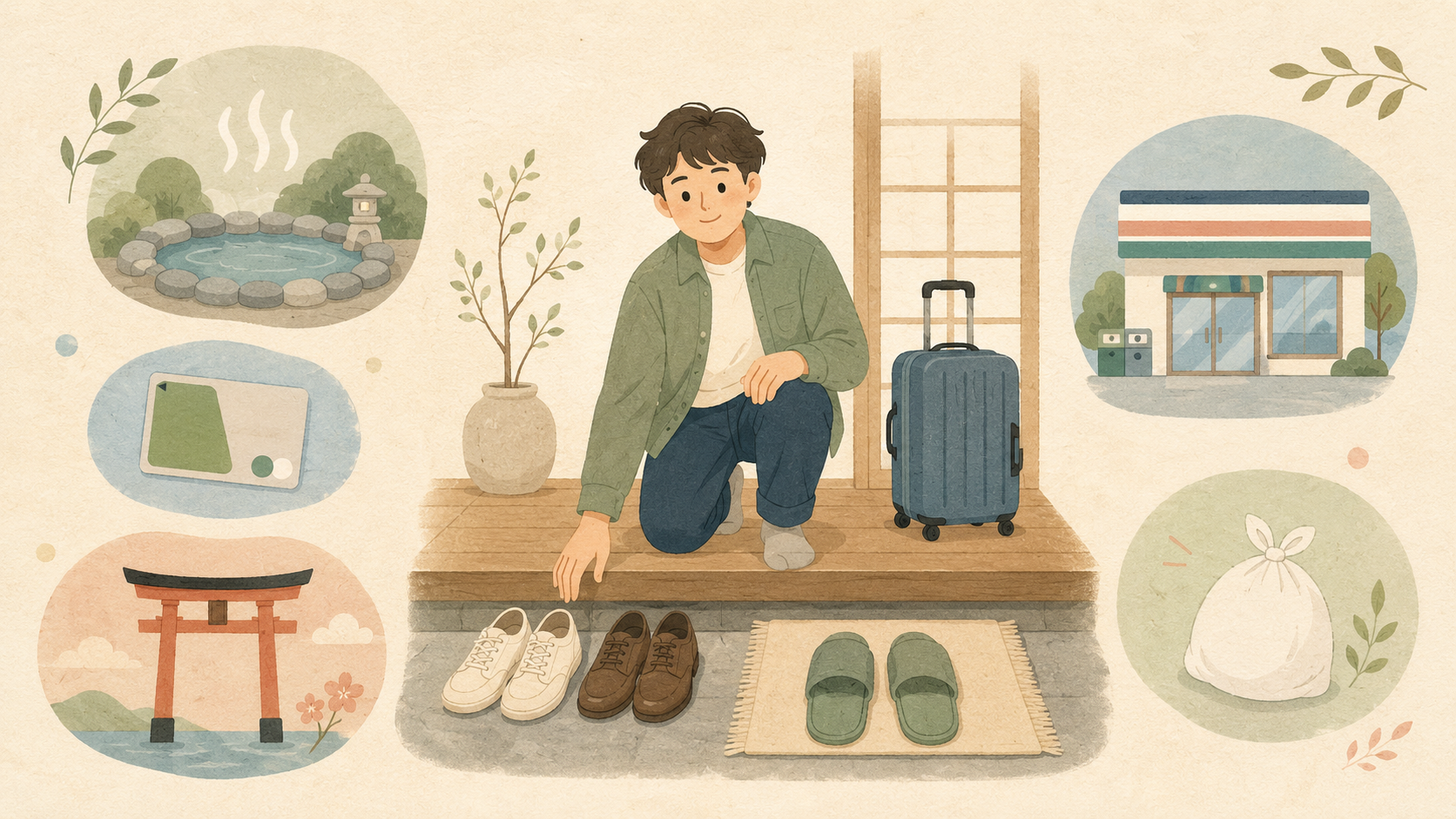
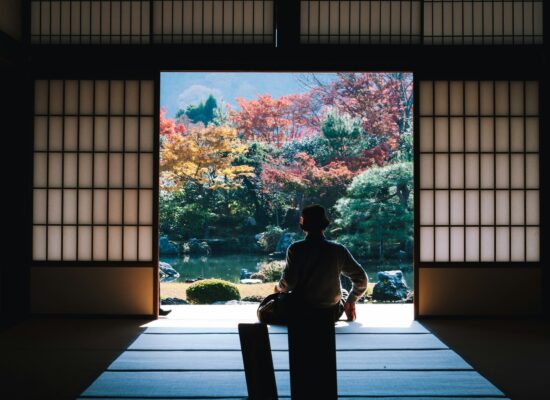
- Take your shoes off. Shoes come off at the entrance (genkan) of homes, ryokan, many traditional restaurants, temples, and some clinics. If you see a step up and a shelf of slippers, that’s your cue.
- Carry your trash. Public bins are surprisingly rare. First-timers always end up hunting for one — just keep a small bag and bin it back at your hotel or a convenience store.
- Don’t eat while walking. Snacking on the move is frowned upon. Step to the side, eat near the stall you bought it from, then carry on.
- Mind the escalator side. In Tokyo you stand on the left and leave the right for walkers; in Osaka it flips and you stand on the right. Just follow the crowd.
- Queue, and keep it quiet. Line up at marked spots on train platforms and let people off first. On trains, keep your phone on silent and conversations low.
- Slurping is fine. Slurping ramen or soba is normal, even appreciated. But don’t stick your chopsticks upright in rice or pass food chopstick-to-chopstick — both echo funeral rituals.
Onsen and Tattoos: Bathing Etiquette
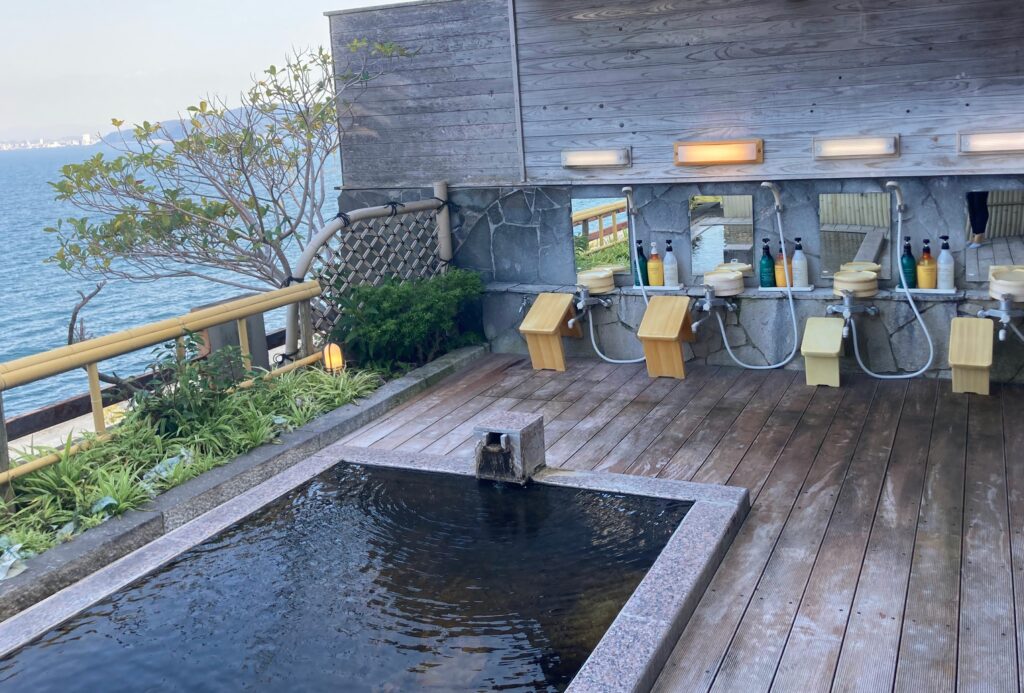
A hot-spring bath is a highlight of any trip, but the rules matter. You bathe naked (no swimsuits), and you must wash and rinse thoroughly at the seated showers before getting in the communal bath. Keep your small towel out of the water, and tie long hair up.
One thing to know: many onsen still refuse guests with tattoos, due to their historical link to organized crime. If you have ink, look for tattoo-friendly baths, ask about cover stickers, or book a room with a private bath — common at ryokan.
Do You Need to Speak Japanese?
No. In Tokyo, Kyoto, and other tourist areas, you’ll find English signage, station announcements, and enough English-speaking staff to get by. Outside the cities it thins out, but Google Translate’s camera mode handles menus instantly, and a little effort goes a long way — learning “sumimasen” (excuse me) and “arigatou” (thank you) is always appreciated. For a deeper look, see how hard it really is to travel without Japanese.
Money, Quickly
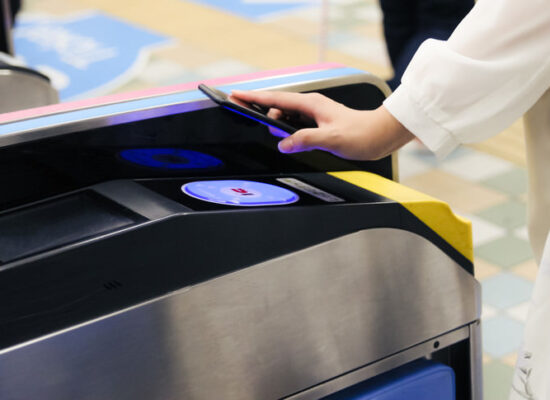
The short version: tap an IC card (Suica or Pasmo) for trains and everyday small buys, use a card for hotels and big stores, and always carry some cash — small restaurants, shrines, and rural spots are often cash-only. Keep around ¥10,000 on you. For getting yen at a good rate, a Wise card works well at 7-Eleven and Japan Post ATMs. The full rundown is in Money in Japan.
Staying Connected
You’ll want data from the moment you land for maps and translation. The simplest option is an Airalo eSIM (install before you fly). Traveling as a group or with an older phone? Rent a pocket Wi-Fi (around ¥500–¥800/day, unlimited) at the airport. Free Wi-Fi exists at conbini, cafes, and stations, but it’s patchy — treat it as a backup, not your main plan.
Is Japan Safe? Is the Tap Water OK?
Japan is among the safest countries in the world. Crime is low, and lost items are famously handed in — if you drop something, check the nearest police box (koban) or station, and there’s a good chance it’s waiting for you. The main thing to be aware of is earthquakes: know where the exits are, and if one hits, follow staff instructions.
And yes, the tap water is safe — some of the best in the world. There’s no need to pack a water bottle: restaurants serve free water, and convenience stores sell bottled water for a couple hundred yen.
Eating: Dietary Needs and the Mighty Conbini
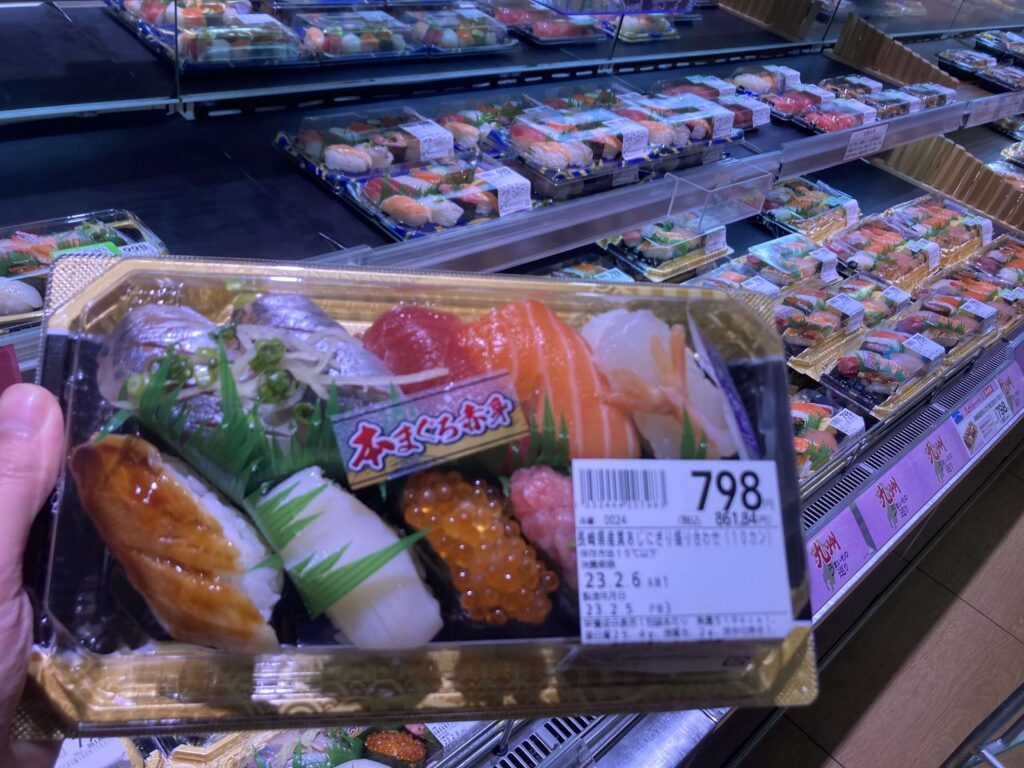
Vegetarians and vegans should plan ahead: dashi (fish stock) hides in many seemingly meat-free dishes. Seek out dedicated veg restaurants in Tokyo and Kyoto, lean on Buddhist shojin ryori cuisine, and carry a translation card explaining your needs. Convenience stores are a lifesaver for everyone — onigiri, salads, and fresh meals, open 24/7, at every corner.
Quick win: many stores offer tax-free shopping for tourists — carry your passport. The system is set to change in late 2026 (moving toward a refund-on-departure model), so check the current rules when you shop.
More Good-to-Know Essentials
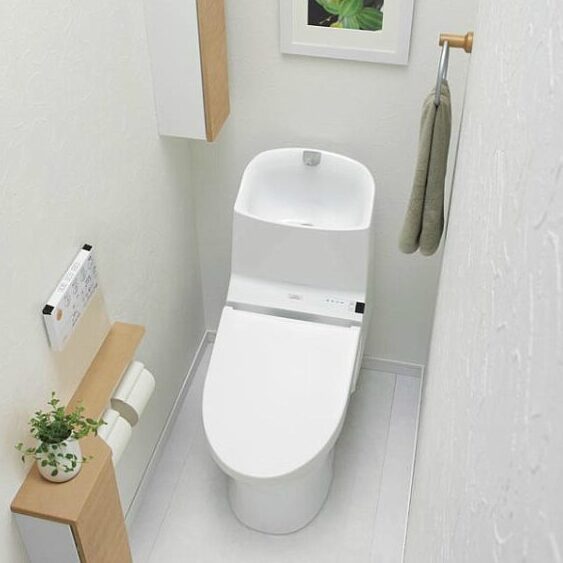
- Toilets are an experience. Most are high-tech washlets with heated seats and bidet buttons — don’t be shy. But where you see a separate pair of toilet slippers, swap into them, and never walk out still wearing them (a classic, mortifying mistake).
- Carry a handkerchief. Many public restrooms have no paper towels or hand dryer. A small towel or handkerchief is what locals use, and you’ll often be handed free packs of pocket tissues on the street.
- Use coin lockers. Stations have lockers (and staffed luggage counters) so you can stash bags while you explore — handy on travel days.
- Smoking rules flip the Western norm. Smoking on the street is banned outside designated areas, yet some bars and izakaya still allow it indoors. Look for marked smoking spots.
- Check your medications before you fly. Some common Western drugs are restricted or banned in Japan — including stimulants like Adderall and certain cold and allergy medicines containing pseudoephedrine or codeine. Confirm the rules in advance; our guide to prescriptions and pharmacies has more.
What to Pack
- Comfortable walking shoes — you’ll walk far more than you expect, and slip-ons make the shoes-off moments painless.
- Layers for the season — check the forecast and our seasonal guide before you pack.
- A power bank for long sightseeing days. Japan uses 100V Type A plugs (the same shape as North America), and most phone and laptop chargers handle 100–240V — so non-US travelers usually just need a simple plug adapter, not a voltage converter.
- Travel insurance — Japanese healthcare is excellent but not free for visitors, so a policy is worth the peace of mind.
Frequently Asked Questions
Do I tip in Japan?
No. Tipping isn’t part of the culture and can cause confusion. Good service is included everywhere, from restaurants to taxis.
When do I need to take my shoes off?
At the entrance to homes, ryokan, many traditional restaurants, temples, and some clinics. Look for a raised step and slippers — that’s the signal. Easy slip-on shoes make it painless.
Can I use an onsen if I have tattoos?
Sometimes. Many onsen still refuse tattooed guests, but tattoo-friendly baths exist, some allow cover stickers, and a ryokan room with a private bath sidesteps the issue entirely.
Is it safe to drink the tap water?
Yes, tap water is safe and high quality across Japan, so you can refill a bottle and skip buying water.
Do I need to speak Japanese to travel in Japan?
No. English is common in tourist areas, and translation apps cover the rest. A few polite phrases go a long way, but you can have a smooth trip without speaking Japanese.
Your First-Trip Checklist
- No tipping, shoes off where signaled, carry your trash, and don’t eat while walking.
- Sort data (eSIM or pocket Wi-Fi) and get an IC card on arrival.
- Carry some cash, plus a card and a Wise backup.
- Learn “sumimasen” and “arigatou,” and keep Google Translate handy.
- Pack comfy shoes, season-appropriate layers, and a power bank.
Get these everyday basics down and the rest of Japan opens up easily. Next, plan where to go with our best places by region and ready-made 2-week itineraries.

2 thoughts on “Practical Japan Travel Tips: Etiquette & Everyday Essentials for First-Timers (2026)”