Japanese appliances are known not for extravagance, but for thoughtful design — small details that make daily life smoother.
Here are some that many long-term residents come to appreciate over time.
🛁 Washlet
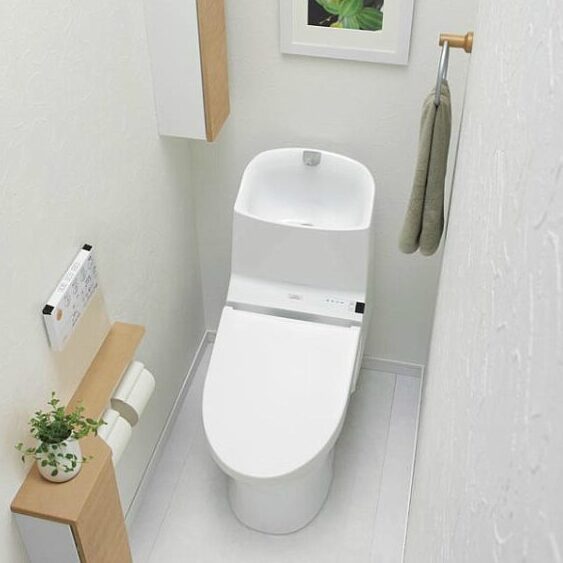
The Washlet — a toilet seat with a built-in bidet, warm seat, and deodorizer — has quietly become part of daily life in Japan.
Water pressure, temperature, and spray angle can all be adjusted, and most models include a self-cleaning nozzle.
It’s not about luxury so much as hygiene and comfort. Once you get used to it, you rarely want to go back.
The Washlet was developed by TOTO and first released in 1980.
Today, it’s installed in about 80% of Japanese homes and nearly every public restroom.
The heated seat is especially appreciated in winter — no shock of cold porcelain, and for elderly users, less risk of a sudden chill that can stress the heart.
During its development, TOTO engineers reportedly gathered anatomical data from more than 300 volunteers to perfect the spray angle — an extraordinary but very Japanese example of precision and attention to detail.
Major brands include:
- TOTO (the original Washlet)
- LIXIL / INAX (Shower Toilet)
- Panasonic and several others
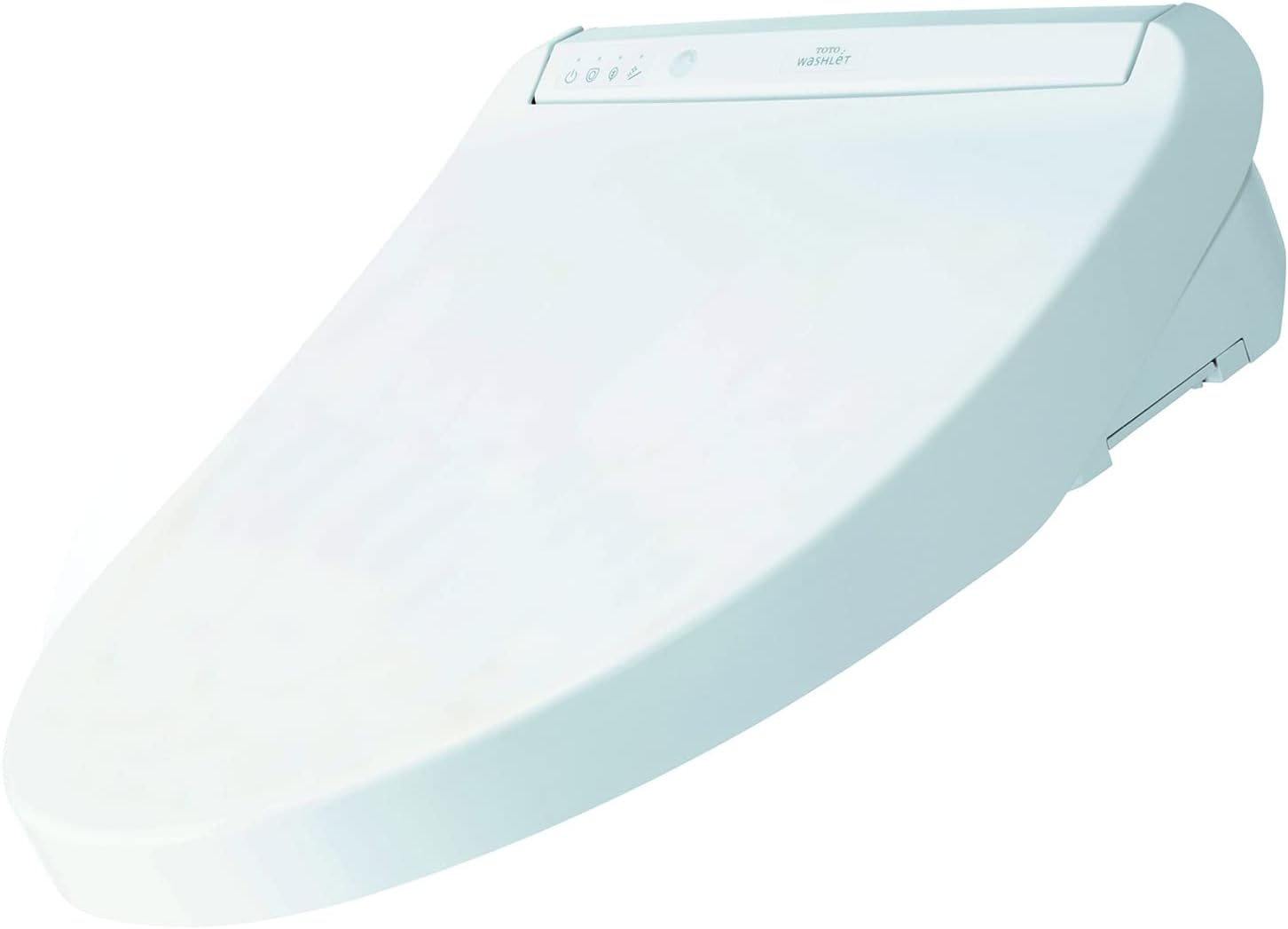
TOTO remains the benchmark for quality, with popular models such as the TCF8AM68 offering refined comfort and quiet performance.
While lower-cost imitations are available overseas, they often lack the smooth water pressure, fine temperature control, and ergonomic design of Japanese-made seats.
Japanese models are also far more affordable domestically.
A TOTO unit that sells for around USD 2,000 abroad can often be found for under USD 300 in Japan — though products purchased in Japan are generally not covered by international warranty.
If you plan to buy one in Japan and use it overseas, keep these points in mind:
- Voltage: Japan uses 100 V; a converter is required elsewhere.
- Fit: Choose a model that matches your toilet bowl shape.
- Water quality: In hard-water regions, mineral buildup can clog the nozzle; periodic cleaning helps.
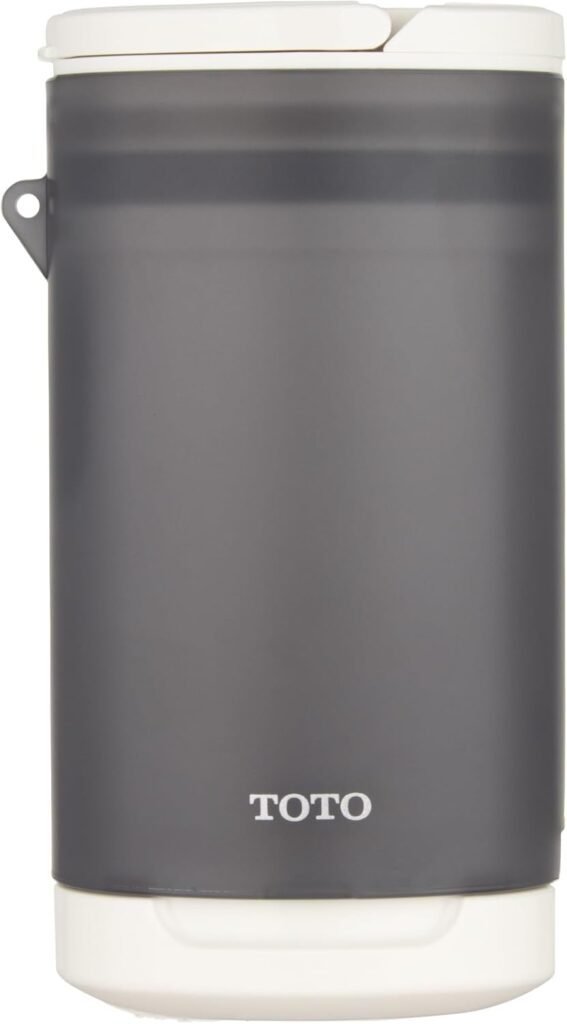
Portable versions like the below image also exist — small battery-powered sprayers that travelers can carry.
🍚 Rice Cooker
A rice cooker is a staple in every household, and one of those inventions that quietly changed daily life in Japan.
Add rice and the same amount of water, press one button, and 20–40 minutes later you have perfectly cooked, fluffy rice — no guesswork, no supervision.
The first automatic rice cooker was developed by Toshiba in 1955, freeing households from the labor of cooking over a kamado stove. This simple innovation reduced housework and helped fuel Japan’s post-war economic growth.
Types of rice cookers:
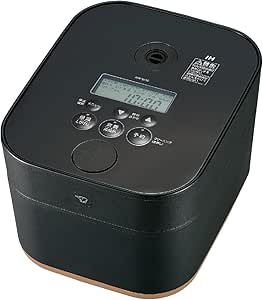
- Pressure IH Cookers — The most advanced type.
They raise the boiling point using pressure and heat the entire pot evenly, producing chewy, glossy rice. Found mainly in premium models. - IH Cookers — The current mainstream in Japan.
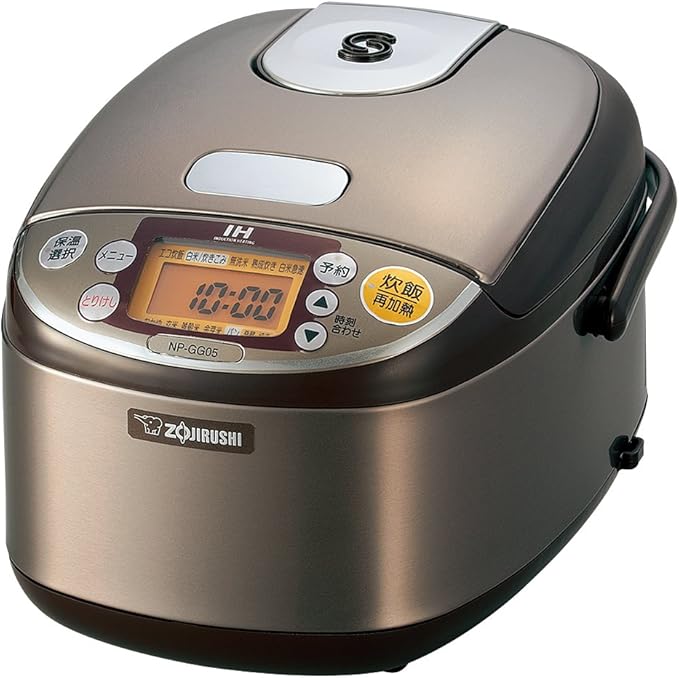
Use electromagnetic heat for even cooking and consistent results. A safe, balanced choice. - Microcomputer Cookers — The eariler generation which was mainstream 50 years ago.
Heat only from the bottom and produce slightly firmer rice. Still popular overseas, where many Japanese expats bring their own cookers from Japan.
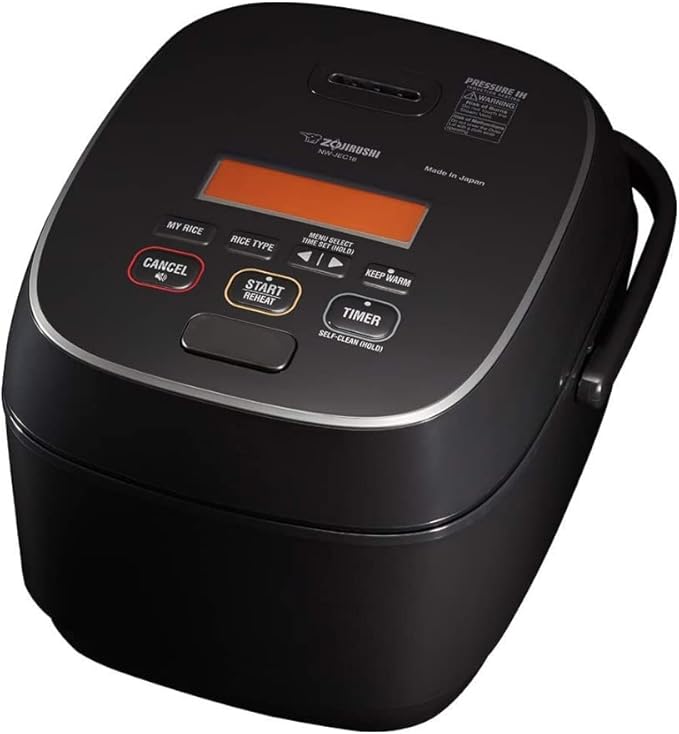
(~1500 USD)
(~250 USD)
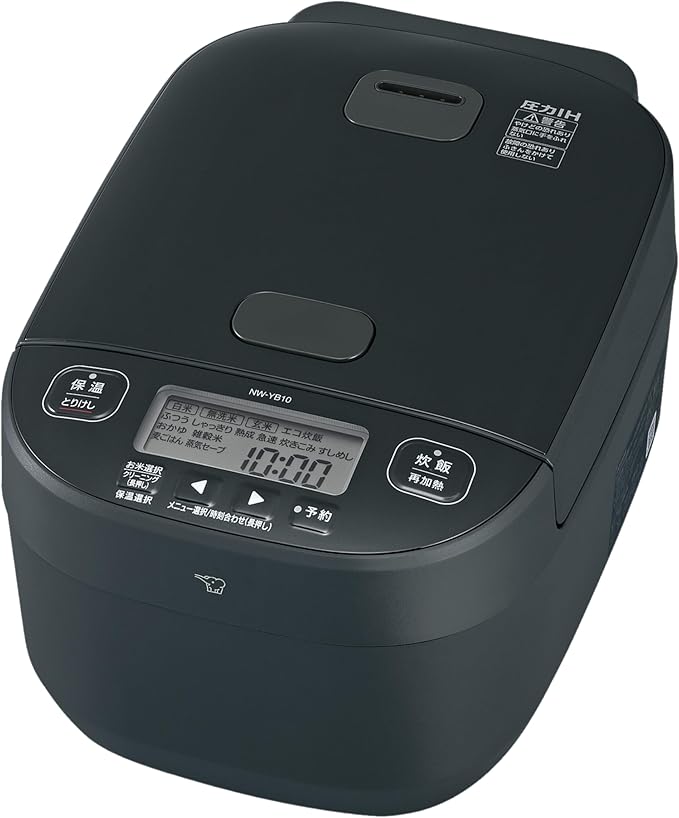
(~100 USD)
Sizes & brands:
Compact 3–4 cup units suit singles, while 10-cup models fit families.
Trusted brands include Zojirushi, Tiger, and Panasonic, each offering 100 V versions for Japan and 220–240 V models for abroad.
Why it matters:
If you live in Japan, rice can become the easiest and most satisfying staple.
Supermarkets sell endless okazu (side dishes) meant to go with rice, so owning a cooker is not just convenient — it’s part of fitting into daily Japanese life.
And for small kitchens, one good cooker replaces both a pot and a timer.
Using it abroad:
- Voltage: Japan uses 100 V. For 220–240 V regions, you’ll need a compatible model or a reliable transformer.
- Overseas models: Japanese brands sell international versions, but they cost more and sometimes lack advanced features.
🧺 Drum-Style Washer Dryer
In Western countries, drum-style washers are standard because they remove dirt through strong tumbling — essential for areas with hard water.
Japan’s water is naturally soft, so even simple top-loading washers clean well.
For decades, they’ve remained the mainstream.
Yet drum-style washer dryers are steadily gaining popularity for their time-saving convenience and energy efficiency — especially among busy households.
Why more people are choosing them:
- No hanging or collecting laundry.
The built-in dryer eliminates the most tedious steps of washing.
You can start a load before bed and wake up to clean, dry clothes. - Gentle on fabrics.
Drum dryers use low-temperature air drying that reduces wear on clothes.
Older heater-based dryers used more power, but modern heat-pump systems achieve the same result with far less electricity. - Water- and detergent-efficient.
Drum machines use less water than top-loaders, saving detergent and reducing environmental impact. - Reliable in Japan’s humid climate.
With frequent rain and high humidity, outdoor drying isn’t always possible.
A drum-style washer keeps clothes fresh even when drying indoors. - Quiet and automatic.
Many models automatically dispense detergent and softener, and some run so quietly you can do laundry at night without disturbing neighbors.
Popular models in Japan:
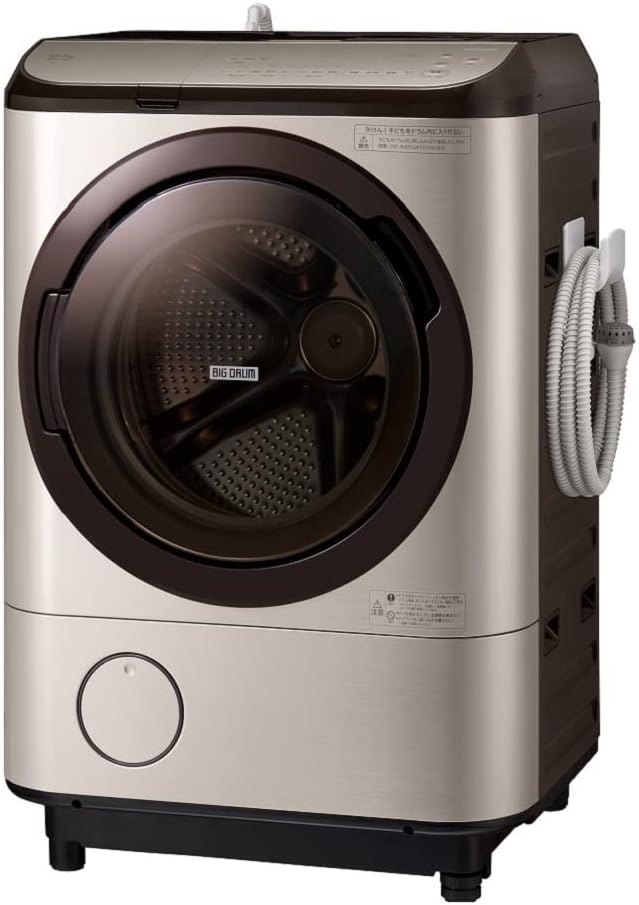
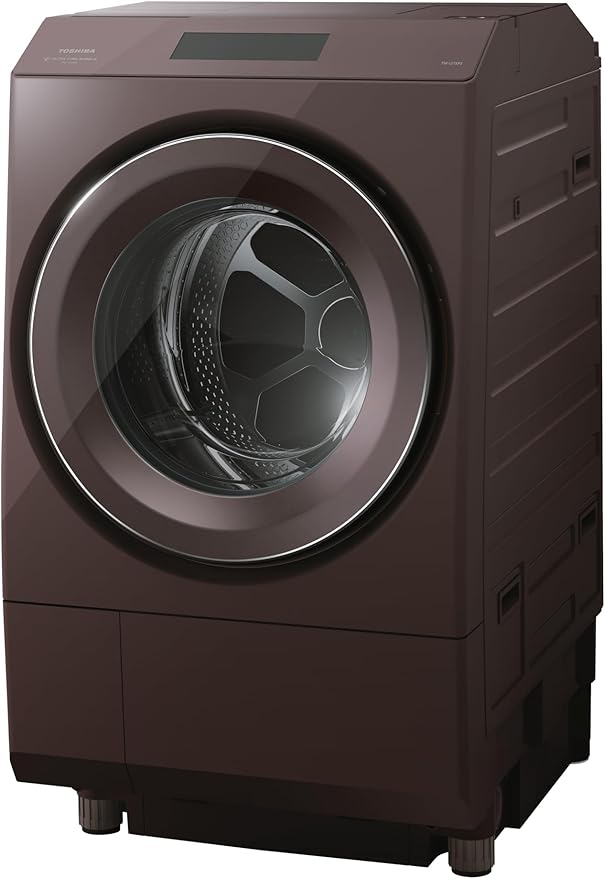
- Panasonic NA-LX129 — a flagship model known for its quiet operation, auto-detergent dosing, and efficient heat-pump drying.
- Hitachi BD-STX120 — praised for its “AI Wash” mode that senses fabric type and adjusts washing strength automatically.
- Toshiba TW-127XP3L — combines compact size with full drying capacity, ideal for smaller apartments.
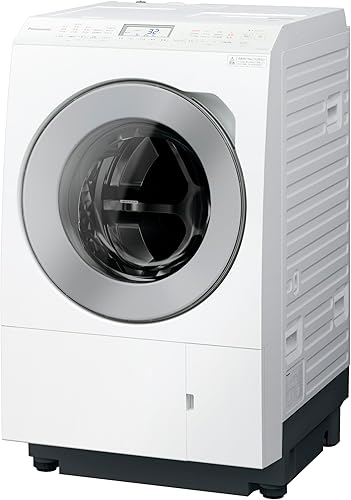
Practical buying tips:
- Estimate your capacity need at about 1.5 kg of laundry per person per day, multiplied by how often you do laundry.
- Check that the machine fits in your drain pan (the waterproof base used in most Japanese apartments).
- Doors open either left or right — choose the side that suits your laundry space.
Drum-style washer dryers may be more expensive upfront, but they repay that cost in time saved, quieter operation, and peace of mind — rain or shine.
🍽 Countertop Dishwasher
In Japan, most apartments don’t come with built-in dishwashers, but that doesn’t mean you have to wash everything by hand.
Compact countertop dishwashers — small units that sit on your kitchen counter or next to the sink — have become a smart solution for renters and city dwellers.
These machines are easy to install, require only a small amount of space, and cost much less than built-in models.
Many are as narrow as 29 cm (about 11 inches) in depth, allowing them to fit even in small Tokyo kitchens.
Unlike large overseas dishwashers designed for flat plates and trays, Japanese models are built for deep bowls and small dishes, reflecting local eating habits.
They use sliding drawers rather than front-opening doors, making loading and unloading easier at standing height — no bending required.
Why Japanese dishwashers are popular:
- Compact enough for apartments — ideal for renters.
- Lower power and water consumption.
- Easy installation without remodeling.
- Designed for Japanese-style dishes (small bowls, rice cups, chopstick holders).
- Affordable: usually one-third the price of built-in models.
Recommended brands:
- Panasonic – the market leader in Japan. Known for strong washing power and hygienic features such as Plasmacluster technology that suppresses odor and mold growth.
- Rinnai – popular for its “double rotating nozzles,” which spray water from both upper and lower arms to reach every corner of the rack.
For most expats, a compact countertop dishwasher offers the perfect balance of price, size, and performance.
You can place it, plug it in, and enjoy clean dishes without sacrificing kitchen space — something Japan’s compact homes value above all.
🍳 Sharp Healsio Hot Cook
An automatic cooking pot that measures heat and moisture to prepare soups, curries, or stews without supervision.
It doesn’t fry or grill, but it handles slow cooking exceptionally well.
For anyone working long hours, it’s a way to come home to a proper meal without much planning.
💨 Air Purifier with Humidifier
Japanese winters are dry. A combined purifier-humidifier keeps the air comfortable while reducing dust and pollen — helpful for people with allergies.
Models from Sharp or Daikin are common and reliable.
💇 Powerful Hair Dryer
Japanese dryers are compact yet strong.
Many, like Panasonic’s Nanoe series, add fine moisture particles to reduce heat damage.
Some models can run on both 100V and 240V, which helps if you move between Japan and abroad.
🐙 Takoyaki Maker
A uniquely Japanese party essential! This small tabletop griddle lets you make Osaka’s famous octopus balls at home — or experiment with cheese, chocolate, or mochi versions.
Why it’s great: Fun for parties or family gatherings, and a true taste of Japanese street food culture.
🚿 IONAC Shower Head
This shower head softens hard water and removes chlorine, making a huge difference if your skin or hair feels dry after moving to Japan.
Why it’s great: Especially recommended for areas with hard water. Easy to install and visibly improves water quality.
🧘 Kotatsu
A low table with a heater underneath and a thick blanket on top.
In winter, families often sit together under it to eat or relax.
It’s an old design that survives because it fits Japan’s heating habits — local warmth rather than heating the whole house.
You don’t need all of these on day one — but a few of them have a way of turning a Japanese apartment into a home.
Related reading
- Buying home appliances in Japan — where and how to buy the essentials first, on any budget.
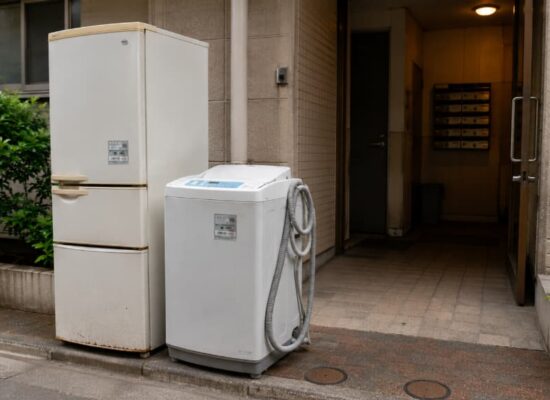
- How to dispose of old appliances the legal way — for when you upgrade and need to get rid of the old one.
- Everyday garbage and recycling rules — the daily sorting system every new resident has to learn.


2 thoughts on “Must-Try Japanese Appliances That Makes Life Easier”