Two weeks is the sweet spot for a first trip to Japan: enough time to see the big highlights without spending the whole trip on trains. You can stroll the temple lanes of Kyoto, meet the bowing deer of Nara, watch the “floating” torii gate at Miyajima, and still have room for Mount Fuji, world-class food, and a hot-spring town to wind down in.
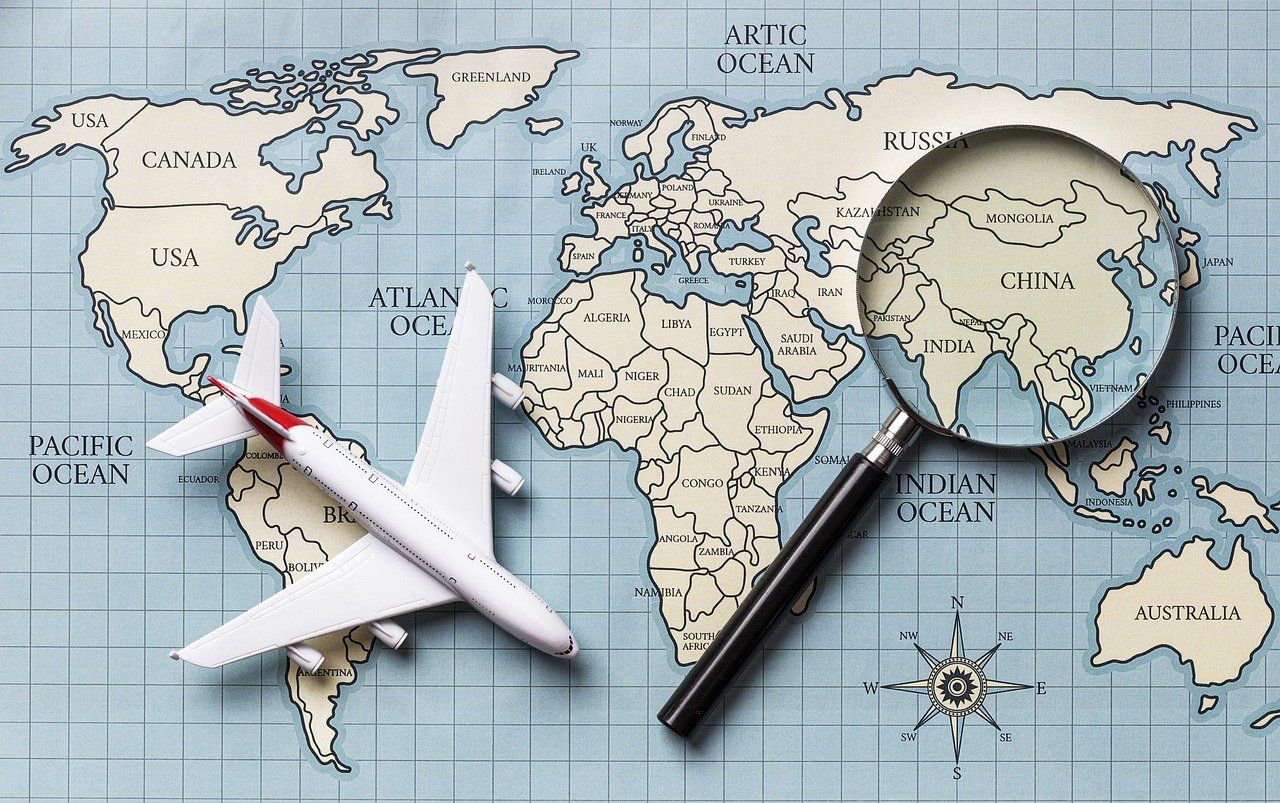
Below are three complete two-week itineraries — classic culture, nature, and modern cities with a Kyushu finish — each with a day-by-day plan, what to see, rough costs, and how to get between cities. Pick the one that fits your style, or mix and match.
First, decide when to go, and for the planning mechanics — flights, JR Pass, what to book ahead — see our guide to planning a trip to Japan.
Getting Around: Is the Japan Rail Pass Worth It?
Japan’s trains make a two-week trip easy, but the Japan Rail Pass math has changed and it’s no longer an automatic buy. As of 2026 the nationwide pass costs ¥50,000 (7-day) and ¥80,000 (14-day), a steep jump from a few years ago.
- For most two-week routes below, the shinkansen legs add up to roughly ¥30,000–¥50,000 — less than the 14-day pass. Buying point-to-point tickets usually wins.
- The pass only pays off if you cover a lot of long-distance ground fast. Add up your exact route before deciding.
- Regional passes (Hakone Free Pass, JR Kansai-Hiroshima, all-Kyushu) are often the smarter buy. Note that Itinerary 2 relies on local buses (Nohi Bus) that no JR pass covers.
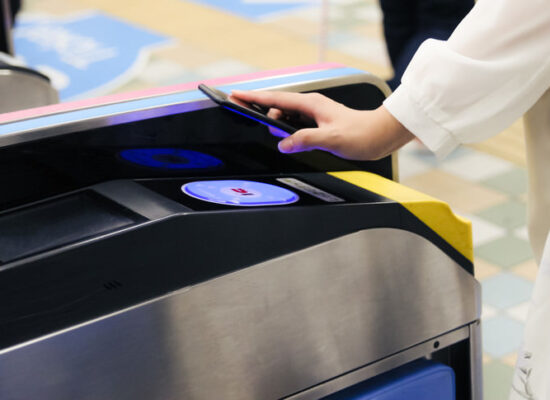
- Whatever you choose, get an IC card (Suica or Pasmo) for local trains and buses, and reserve shinkansen seats (free with most passes).
You can compare the pass and regional options on Klook, and see the full “is it worth it” breakdown in our planning guide.
One housekeeping note: the admission fees and opening hours below were correct at the time of writing but change often — double-check official sites before you go.
Itinerary 1: Classic Highlights for Culture Lovers
If you’ve dreamed of Japan’s temples, traditions, and historic landmarks, this is the route: Tokyo, Kyoto, Nara, Hiroshima, and Osaka. It works year-round, but spring blossoms and autumn color make it especially beautiful.
Day 1–3: Tokyo
Start in Tokyo, where old meets new. Visit Asakusa’s Senso-ji, the city’s oldest temple, then Ueno Park and its museums. For the modern contrast, head to Shibuya Crossing and shop in Ginza. From Narita it’s about an hour into the city on the Narita Express; from Haneda, around 30 minutes via the Monorail or Keikyu Line.
- Senso-ji Temple: free; grounds open 24h, main hall 6:00–17:00. Go early to beat the crowds.
- Ueno Park: free (museums charge separately), 5:00–23:00. The Tokyo National Museum is the standout.
- Shibuya Crossing: free, always on. For the classic view, head up to the Starbucks in the QFRONT building.
With a spare day, take a side trip to Kamakura for the Great Buddha (Kotoku-in, ¥300; entering the statue is an extra ¥50) and Hasedera Temple (¥400), whose hydrangea garden peaks in June.
Day 4–6: Kyoto
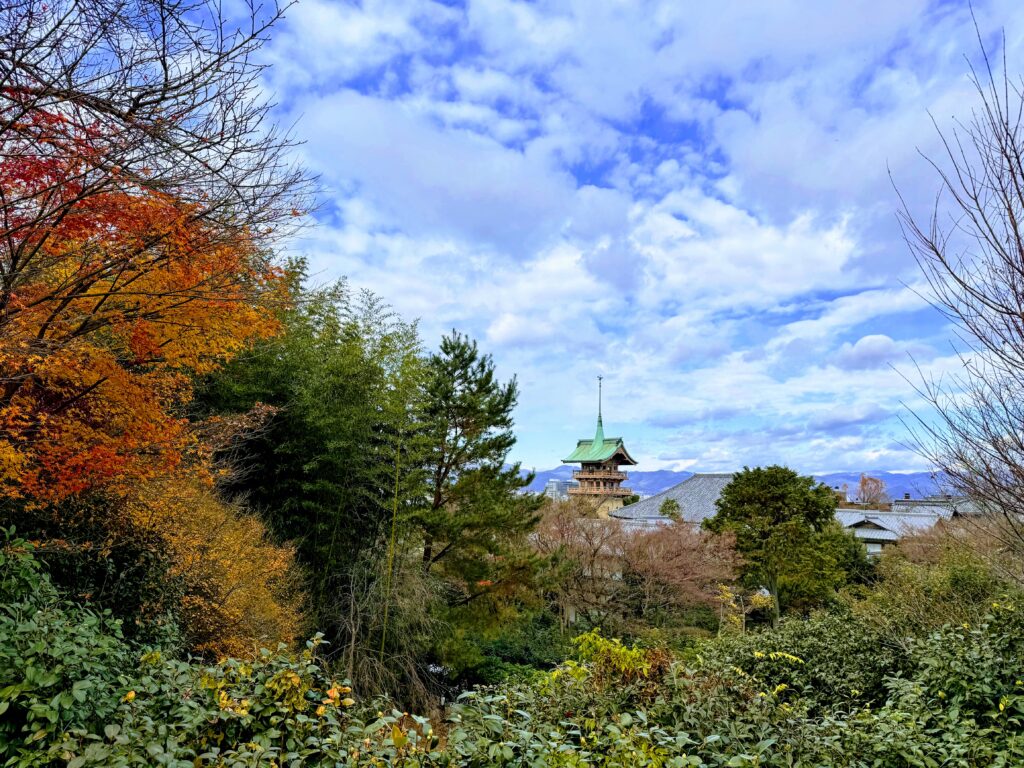
Kyoto is Japan’s cultural heart. The shinkansen from Tokyo takes about 2 hours 15 minutes (the fastest Nozomi isn’t covered by the JR Pass). See Fushimi Inari’s thousands of vermilion torii gates, the Golden Pavilion, and the Arashiyama bamboo grove, and spend an evening in the geisha district of Gion.
- Fushimi Inari Taisha: free, open 24h. Hike up Mount Inari for the views and quieter gates.
- Kinkaku-ji (Golden Pavilion): ¥500, 9:00–17:00. Morning light is best for photos.
- Arashiyama Bamboo Grove: free, always open. Arrive early to have it (almost) to yourself.
- Gion: free to wander. Book a tea ceremony for a proper cultural experience, and try Kyoto’s kaiseki or yudofu.
Day 7: Nara
An easy day trip from Kyoto (about 45 minutes on the JR Nara Line). See Todai-ji’s giant bronze Buddha and meet the famous deer of Nara Park.
- Todai-ji Temple: ¥800, 8:00–17:00 (varies by season). The Great Buddha Hall is one of the world’s largest wooden buildings.
- Nara Park: free, always open. Buy deer crackers (shika senbei) — but fair warning, the deer have learned exactly what they mean and aren’t shy. Expect headbutts and nibbled sleeves if you’re slow to hand them over.
Day 8–10: Hiroshima & Miyajima
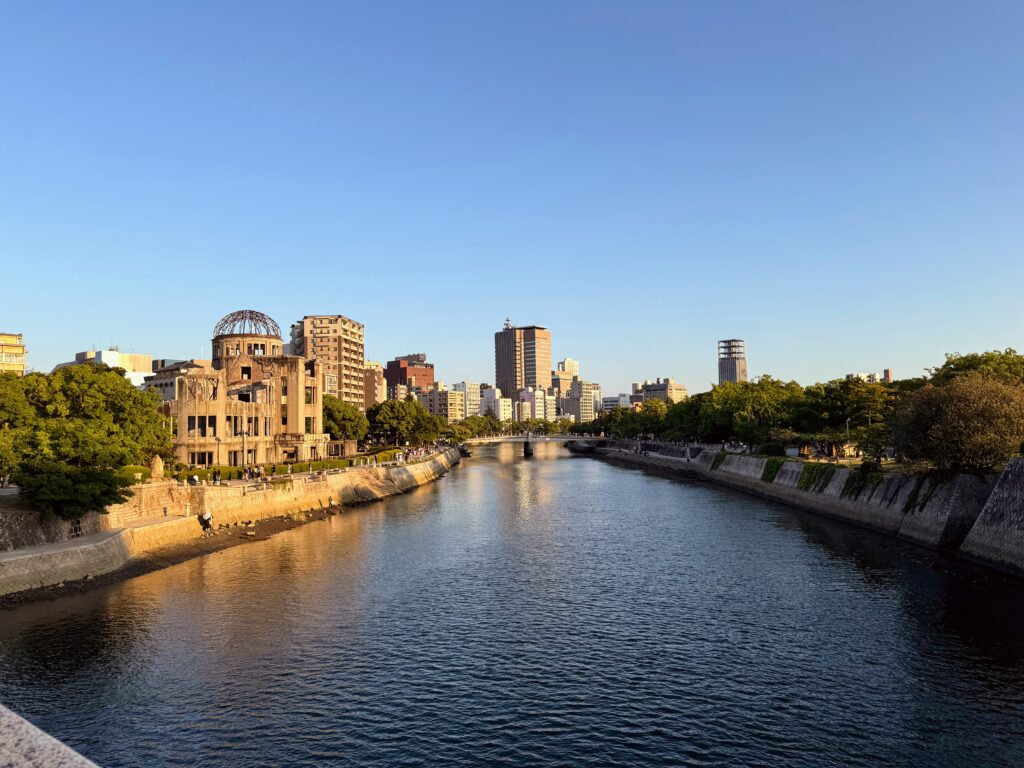
Hiroshima carries deep history. The shinkansen from Kyoto takes about 1 hour 40 minutes (Sakura/Hikari, covered by the JR Pass). Visit the Peace Memorial Park and the Atomic Bomb Dome, then take the train and ferry out to Miyajima for the floating torii gate, hiking, and fresh oysters.
- Peace Memorial Park: free, always open.
- Peace Memorial Museum: ¥200, 8:30–18:00 (seasonal). Give it at least two hours.
- Itsukushima Shrine (Miyajima): ¥300 (¥500 with the Treasure Hall), 6:30–18:00. High tide for the floating gate; low tide lets you walk up to it.
Day 11–14: Osaka
Finish in Osaka — food, neon, and energy. The shinkansen from Hiroshima takes about 1.5 hours. Eat your way through Dotonbori, see Osaka Castle, and give the kids (or yourself) a day at Universal Studios Japan.
- Dotonbori: free, always on. Takoyaki from a street stall and a photo with the Glico Running Man are non-negotiable.
- Osaka Castle: ¥600 (Nishinomaru Garden ¥200), 9:00–17:00. The top-floor observation deck is the highlight.
- Universal Studios Japan: roughly ¥8,600–¥10,600 for adults, with date-based dynamic pricing. Buy timed tickets in advance and hit the Wizarding World of Harry Potter first. Traveling with luggage or kids? A private transfer to and from central Osaka saves the crowded train.
Itinerary 2: Nature Across the Japanese Alps
For landscapes, hot springs, and mountain towns: Tokyo and Fuji, the Nagano Alps, Takayama and Shirakawa-go, Kanazawa, and Kyoto. (This route leans on buses, so a JR Pass makes less sense here.) It’s best from autumn through winter — snow monkeys and snow-blanketed farmhouses — or summer for alpine hiking.
Day 1–3: Tokyo & Mount Fuji
A day in Tokyo (Meiji Shrine, Shinjuku Gyoen), then out to Hakone or the Fuji Five Lakes for Mount Fuji views. The Limited Express Fuji Excursion runs from Shinjuku to Kawaguchiko in about 1 hour 50 minutes; highway buses take around 2 hours.
- Hakone Open-Air Museum: ¥1,600, 9:00–17:00. Sculptures set against the mountains.
- Owakudani Valley: free (Hakone Ropeway ~¥1,500 round trip), 9:00–16:00. Try the black eggs cooked in the volcanic springs — legend says each adds seven years to your life.
Day 4–6: Nagano & the Alps
In Nagano, see the snow monkeys soaking in hot springs at Jigokudani, and hike the Japanese Alps. From the Fuji area it’s a bus to Kawaguchiko, a highway bus to Matsumoto (~2.5 hours), then the Limited Express Shinano to Nagano (~50 minutes).
- Jigokudani Monkey Park: ¥800, 8:30–17:00. Winter is best for bathing monkeys, but it’s open year-round.
- Kamikochi: free (bus from Matsumoto ~¥4,600 round trip). Easy riverside trails or tougher routes up to the peaks.
Day 7–9: Takayama & Shirakawa-go
Takayama’s Edo-era old town and the thatched farmhouses of Shirakawa-go are a highlight of rural Japan. From Nagano, take the Shinano to Matsumoto (~50 min), then a Nohi Bus to Takayama (~2.5 hours) and on to Shirakawa-go (~50 min).
- Takayama Old Town: free; shops 9:00–17:00. Come in the morning for the riverside markets.
- Shirakawa-go: Wada House museum ¥300. Stay overnight in a farmhouse for the full experience — book well ahead, especially in winter.
Day 10–12: Kanazawa
Kanazawa blends gardens and geisha history. From Shirakawa-go, a Nohi Bus reaches Kanazawa in about 1 hour 15 minutes (check schedules — services are limited).
- Kenrokuen Garden: ¥320, 7:00–18:00 (seasonal). Stunning in spring blossom and autumn color.
- Higashi Chaya District: free. Visit the beautifully preserved Shima Teahouse.
Day 13–14: Kyoto
Wind down in Kyoto. The Thunderbird Limited Express from Kanazawa takes about 2 hours 10 minutes. Revisit favorite temples or discover Ryoanji, famous for its Zen rock garden (¥500, 8:00–17:00).
Itinerary 3: Modern Cities & a Kyushu Finish
This is my favorite of the three. Most first-timers stop at Osaka, but heading west — Tokyo, Hiroshima, Fukuoka, and Beppu — is where the trip really opens up: big, friendly cities, fewer crowds, and some of the best food in the country. It’s the same Pacific-Belt route we recommend in the planning guide, here in full detail. Great year-round, and especially rewarding in winter, when the Kyushu onsen towns are at their best.
Day 1–4: Tokyo
Four days for Tokyo’s mix of high-tech and tradition. Base yourself in Shinjuku for transport and nightlife.
- Akihabara: anime, electronics, and themed cafés — free to explore.
- Meiji Shrine: a calm forest in the city; write a wish on an ema plaque.
- Shibuya Crossing: the world-famous scramble, best viewed from the QFRONT Starbucks.
Day 5–7: Hiroshima & Miyajima
The shinkansen from Tokyo to Hiroshima takes about 4 hours (Nozomi) — a long leg, so reserve a seat. Reflect at the Peace Memorial Museum (¥200, 8:30–18:00), see the Miyajima torii gate (¥300), and don’t leave without Hiroshima-style okonomiyaki, layered with noodles — Okonomimura has dozens of stalls under one roof.
Day 8–10: Fukuoka
The gateway to Kyushu and one of Japan’s most livable cities. The Sakura shinkansen from Hiroshima to Hakata takes about an hour. Fukuoka is all about food.
- Hakata yatai: open-air street-food stalls by the river — Hakata ramen and yakitori are the move.
- Canal City Hakata: a huge shopping-and-entertainment complex with free evening fountain shows.
- Tenjin: underground shopping and Japanese fashion. Don’t skip motsunabe, Fukuoka’s comforting offal hot pot.
Day 11–14: Beppu
End on hot springs. Beppu pumps out more hot-spring water than anywhere on earth except Yellowstone. The Sonic Limited Express from Hakata takes about 2 hours through the Kyushu countryside.
- Jigoku Meguri (Hell Tour): ¥500 per site or ¥2,200 for all seven. Umi Jigoku’s cobalt waters and Oniishibozu’s bubbling mud are the photogenic ones.
- Beppu Onsen: try a sand bath, where you’re buried in warm volcanic sand. Takegawara Onsen has the most history.
- Mount Tsurumi Ropeway: ¥1,600 round trip for views over Beppu Bay on a clear day.
For something only Beppu offers, eat jigoku mushi — food steamed over the natural geothermal vents.
Plan the Rest of Your Trip
- When to go: timing is everything — see our seasonal guide.
- What it costs: a full budget breakdown is in Japan Trip Cost in 2026.
- Where to stay: compare budget stays or the best hotels and ryokans, and check rates on Agoda.
- Stay connected: sort data before you fly with an Airalo eSIM or a pocket Wi-Fi.
Frequently Asked Questions
Which itinerary is best for first-timers?
Itinerary 1 (Tokyo–Kyoto–Nara–Hiroshima–Osaka) is the classic first-timer route, with the most famous sights and the easiest transport. Choose Itinerary 2 for nature and mountains, or Itinerary 3 if you want fewer crowds and a Kyushu hot-spring finish.
Do I need a Japan Rail Pass for two weeks?
Often not. At ¥80,000 for 14 days, the nationwide pass usually costs more than the point-to-point tickets these routes need. Add up your shinkansen legs first, and look at regional passes — and remember Itinerary 2 uses buses a JR pass won’t cover.
Is two weeks enough to see Japan?
It’s plenty for a rich first trip. The key is not to overpack it — base yourself in a few hub cities and take day trips rather than changing hotels every night.
When should I book Universal Studios or farmhouse stays?
Buy USJ timed tickets in advance (prices rise on busy dates), and reserve Shirakawa-go farmhouse stays weeks ahead, especially in winter, as spaces are very limited.
What’s the best time of year for these routes?
Spring and autumn give the best weather and scenery but the biggest crowds. See our seasonal guide to match your dates to blossoms, foliage, or snow.
Final Thoughts
Whichever route you pick, the secret to a great two weeks is leaving room to wander — fewer cities, more time in each. Lock in your dates and accommodation early for the busy seasons, then let the trains do the rest. However you build it, two weeks in Japan goes fast and stays with you for years.

3 thoughts on “2 Weeks in Japan: 3 Itineraries for First-Time Visitors (2026)”