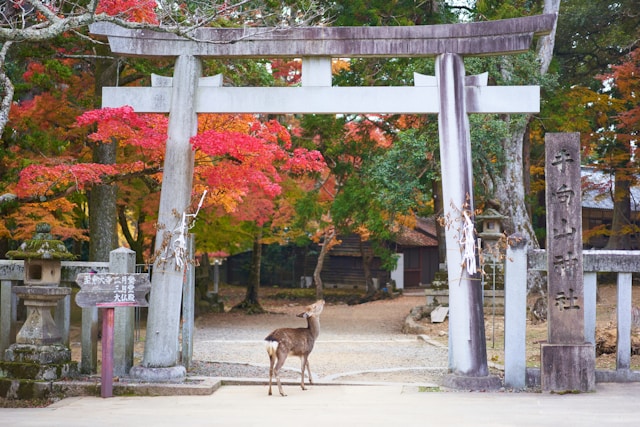
Japan rewards you in every season, but they could not be more different: clouds of cherry blossoms in spring, fiery leaves in autumn, deep powder snow in winter, and a summer so hot and humid it has its own survival gear. Picking the right month shapes your whole trip — the weather, the crowds, and what you’ll pay. Here’s how to choose, season by season.
This is the seasonal companion to our guide to planning a trip to Japan. Once you’ve picked your season, that’s where to build the rest of your itinerary.
Why Japan’s Weather Swings So Hard Between Seasons
Japan’s four distinct seasons come from its humid subtropical climate and the monsoon winds that flip direction through the year. In summer, warm, wet air rolls up from the southern oceans (and brings typhoons); in winter, cold, dry air pushes down from the Asian continent and dumps enormous snow on the mountains. That swing is why the same country gives you blossoms, beaches, autumn color, and ski powder depending on when you land — and why packing for it matters.
The Short Answer: March–May and October–November
If you just want the best all-round weather, come March to May or October to November. Mild temperatures, low rainfall, and the country at its most beautiful — cherry blossoms in spring, blazing foliage in autumn. These are also the months locals love most, which is the catch: they’re the busiest and priciest. We’ll get to how to work around that below.
Spring: March to May
Spring is arguably Japan at its finest: the world-famous cherry blossoms and the most comfortable temperatures of the year. The bloom rolls slowly from the warm south to the cool north, so the country stays pink for weeks.
Quick Facts: Spring (Tokyo)
- Weather: 10–20°C on average (highs 15–25°C, lows 5–15°C). Cool mornings, pleasant sunny afternoons. (Source: Japan Meteorological Agency)
- Wear: layers — a light jacket or sweater over long sleeves, plus comfortable walking shoes.
- Bring: a compact umbrella for spring showers and a scarf for chilly evenings.
Cherry Blossoms in Full Bloom
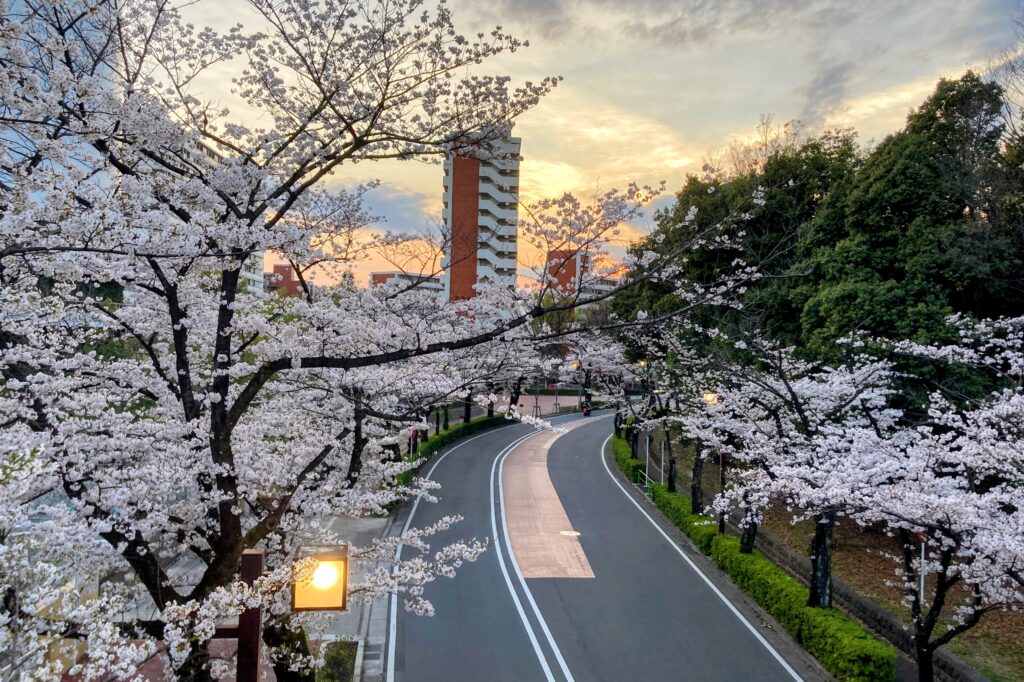
The peak usually falls between late March and early April, though it varies a lot by region — Okinawa blooms as early as January, Hokkaido not until late April. Warmer springs in recent years have nudged the Tokyo peak earlier, so don’t assume “April” and book blind. Check the latest cherry blossom forecast before you lock in dates; the bloom only lasts about a week or two at each spot.
Sakura: Why They Mean So Much Here
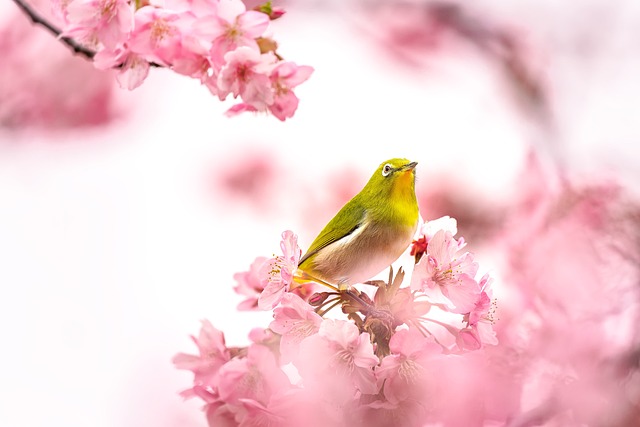
Sakura aren’t loved only for how they look. Their bloom lasts barely two weeks, and a single night of wind or rain can strip a tree bare — which is exactly the point. For us, the blossoms stand for the fleeting nature of life: full and radiant one moment, gone the next, with fresh green leaves following as a promise of renewal. There’s a whole aesthetic built around that bittersweet beauty.
One thing that surprises visitors: hanami (blossom viewing) isn’t a quiet, contemplative affair. Japanese don’t just look at the blossoms — we spread out tarps underneath them and picnic for hours with friends, food, and (let’s be honest) a fair amount of beer. If you can, join in.
“Falling cherry blossoms,
the remaining cherry blossoms too,
will one day fall.”
— Priest Ryokan散る桜 残る桜も 散る桜
ー 良寛和尚
Tips for Cherry Blossom Season
- Expect crowds. This is peak tourist season. For calmer blossoms, head to smaller cities or parks outside the main tourist centers.
- Book very early. Hotels in Kyoto and Tokyo sell out months ahead and rates spike. If sakura is your goal, reserve as soon as your dates are set — compare rooms on Agoda early to lock in a price.
Watch Out for Golden Week
Late April into early May is Golden Week, a cluster of national holidays and one of Japan’s busiest travel periods. In 2026 it runs roughly April 29 to May 6. Trains, flights, and hotels fill up weeks ahead and prices climb, as the whole country travels at once. If your trip overlaps it, book everything as early as you possibly can — or aim for mid-April or mid-May to dodge the worst of it.
Autumn: October to November
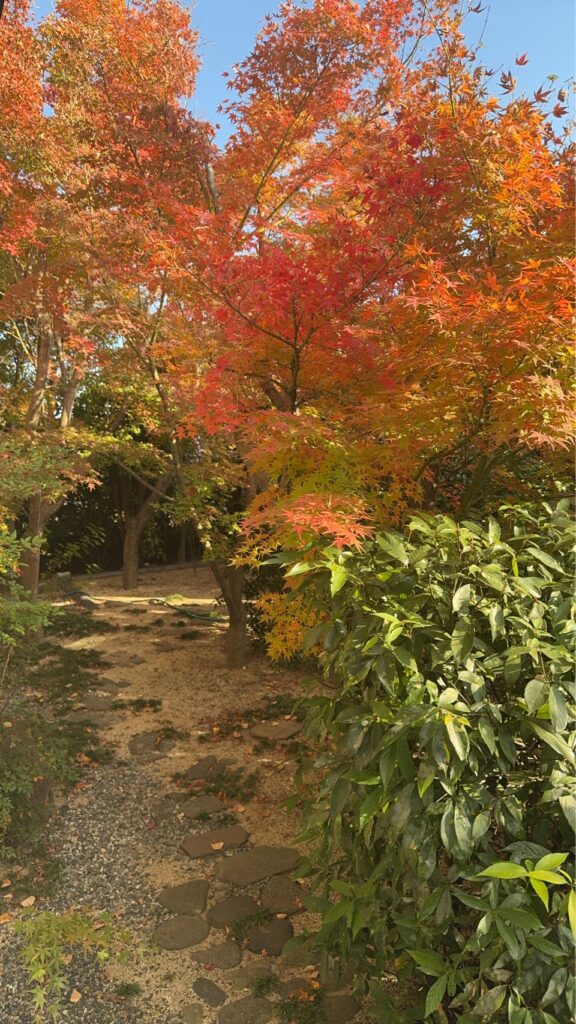
Autumn is the other sweet spot: cool, dry, and gloriously colorful. The mountains and gardens turn red, orange, and gold, with the peak usually in late November at famous spots like Kyoto’s Arashiyama, Nikko, and the Japanese Alps. Fewer rainy days than spring, too, so outdoor plans hold up.
Quick Facts: Autumn (Tokyo)
- Weather: cool and dry, around 10–20°C. Ideal for walking cities and hiking foliage trails.
- Wear: a light jacket for the day, a sweater for cool mornings and evenings; hiking shoes for the foliage spots.
- Bring: layer-friendly clothing, a little moisturizer for drier air, and a camera you won’t regret leaving at home.
Winter: December to February
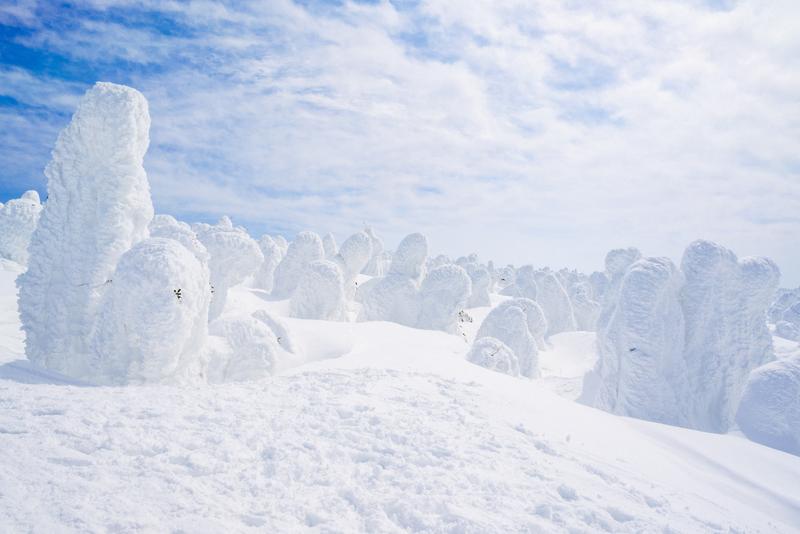
Did you know Japan has some of the snowiest cities on Earth? Cold, dry continental air hits the mountains along the Japan Sea and unloads staggering amounts of powder. Most cities stay mild and sunny, while the north and the mountains become a winter playground.
Quick Facts: Winter
- Weather: Tokyo 0–10°C and often sunny; Hokkaido -5 to -15°C with heavy snow.
- Wear: a warm coat, thermal layers, scarf, gloves, and hat; insulated, non-slip boots for snowy areas.
- Bring: disposable heat packs (ホッカイロ, sold everywhere), moisturizer for dry heated indoors, and thick socks.
Why Winter Is Worth It
- World-class skiing: Niseko and Hakuba are famous for some of the best powder on the planet.
- Sapporo Snow Festival: giant ice and snow sculptures, held in early February.
- Onsen in the snow: there’s little better than a steaming outdoor hot spring while flakes fall. Snow may be old news to plenty of travelers, but a snowy onsen still wins everyone over. Hakone and Kusatsu are great picks.
One heads-up: many shops and restaurants close around New Year (December 31 to January 3), when Japan shuts down for family time. Winter suits second-time visitors looking for a different side of the country.
When to Think Twice: Summer and the Rainy Season
Japan is still worth visiting in summer and the June rains — but go in with your eyes open, because both test your patience. Here’s what to expect.
Summer: July to September
Summer is hot, and getting hotter. 2025 was Japan’s hottest summer on record (the third record-breaker in a row), and a new national high of 41.8°C was set in Gunma. Cities regularly hit 35°C with brutal humidity, and August–September is typhoon season, which can cancel flights and stop trains.
If you do travel in typhoon season, build in slack: avoid tight same-day connections, keep a flexible or refundable booking where you can, and check the JMA typhoon tracker a few days out. Most storms pass within a day, so a buffer day usually saves the trip.
That said, “brutal” is relative. My husband grew up with Mumbai and Kolkata summers, and finds Tokyo’s August comparatively easy — so if you’re coming from a hot, humid climate, you may shrug it off too. For most visitors, though, the mugginess is genuinely draining, so don’t underestimate it.
- Wear: breathable cotton or linen, plus a hat and sunglasses.
- Bring: a portable fan, cooling towels and insect repellent (all at any convenience store), and stay hydrated.
- The upside: summer festivals and fireworks are wonderful, and renting a yukata makes a night of it. For cool air, escape to Hokkaido — the lavender fields in Furano are stunning.
Obon: Mid-August (Plan Around It)
Even if you skip the rest of summer, know about Obon, one of Japan’s three biggest domestic travel peaks (alongside Golden Week and New Year). Families return to their hometowns, so trains, flights, and roads jam and prices jump. In 2026 it falls around August 13–16, with the travel crush spread across roughly August 8–16. If you can, plan around that window.
Rainy Season: June
The rainy season, or tsuyu (梅雨), runs from about early June to mid-July across most of the country. It’s warm (20–27°C in Tokyo) and muggy, with frequent showers rather than constant downpours.
- Bring: a compact umbrella or poncho, quick-drying clothes, and waterproof shoes.
- The upside: far fewer crowds, lower prices, and gardens at their lushest. Hydrangeas and the Arashiyama bamboo grove are magical in the rain, and indoor draws like museums and aquariums are easy backups.
It’s not the obvious choice, but June can be a surprisingly peaceful — and affordable — time to visit.
Crowds and Costs by Season
When you go affects your budget as much as your photos. The rule of thumb: the prettiest, most popular weeks cost the most.
| Period | Crowds & prices | Book ahead? |
|---|---|---|
| Cherry blossoms (late Mar–early Apr) | Highest | Months ahead |
| Golden Week (Apr 29–May 6, 2026) | Highest | Months ahead |
| Obon (mid-Aug) | Very high | Months ahead |
| Autumn peak (late Nov) | High | Weeks ahead |
| New Year (late Dec–early Jan) | High + closures | Weeks ahead |
| June (rainy season) | Low / cheapest | Often last-minute |
| Early–mid January | Low / cheaper | Often last-minute |
For a full breakdown of what a trip costs by season, see Japan Trip Cost in 2026, and for where to stay, our guides to the best hotels and ryokans and budget stays.
The Savvy Pick: Shoulder Weeks
The smartest value is often just beside the peaks. Early March gives you mild weather and plum blossoms before the cherry-blossom crowds and prices arrive. Early December still has late autumn color in the south and the year’s first illuminations, without holiday rates. And mid-to-late January, once New Year is over, is one of the quietest, cheapest stretches of the whole year — cold, but clear and calm. If your dates are flexible, aim a week or two off the headline season and you’ll pay less for nearly the same trip.
Best Destinations for Each Season
- Spring — Kyoto & Nara: blossoms among historic landmarks; Maruyama Park and Nara Park are especially lovely.
- Summer — Hokkaido & Aomori: cool air, Furano’s lavender, the blue pond in Biei, and Aomori’s spectacular Nebuta Festival in early August.
- Autumn — Nikko & Kyoto: the most vivid foliage in the country.
- Winter — Niseko & Hakuba: world-class powder and winter sports.
Want to go deeper by area? See Best Places to Visit in Japan by Region.
Frequently Asked Questions
What’s the best time to visit Japan for first-timers?
Late March to May or October to November. You get mild weather, low rainfall, and either cherry blossoms or autumn color. Just book early and, if you can, avoid Golden Week.
When do the cherry blossoms bloom?
Usually late March to early April in Tokyo and Kyoto, but it shifts with the weather and runs from January in Okinawa to late April in Hokkaido. Check a cherry blossom forecast before booking, since each spot only peaks for about a week or two.
When is the cheapest time to visit Japan?
June (the rainy season) and early-to-mid January, just after New Year, are the quietest and cheapest. You trade some weather for smaller crowds and lower prices.
Is summer too hot to visit?
It’s hot and humid, and recent summers have broken heat records, so it’s not ideal for heavy sightseeing. But it’s manageable with the right gear, and Hokkaido, summer festivals, and fireworks are real rewards if you come prepared.
Which dates should I avoid?
The three big domestic travel peaks: Golden Week (late April to early May), Obon (mid-August), and New Year (late December to early January). Everything is crowded and expensive, and over New Year many shops close.
The Bottom Line
- Spring (Mar–May): cherry blossoms and the best weather — but the biggest crowds.
- Autumn (Oct–Nov): stunning foliage, mild and dry, a touch less hectic than spring.
- Winter (Dec–Feb): skiing, snow festivals, and snowy onsen.
- Summer (Jul–Sep): hot and humid; head to Hokkaido or come for the festivals.
- June (rainy season): quiet and cheap, lush and green, if you don’t mind the showers.
There’s no single best time — only the best time for the trip you want. Pick your season, then start building your route with our guide to planning a trip to Japan.

5 thoughts on “When Is the Best Time to Visit Japan? A Season-by-Season Guide (2026)”