For a lot of travelers, the food is the trip. Japan turns everyday eating into craft, from a ¥400 bowl of ramen to a multi-course kaiseki feast, and the range is staggering. This guide walks you through what to eat, how to order it without stress, and the dishes you shouldn’t leave without trying.
Planning where to eat it all? Pair this with our regional guide (every area has its own specialty) and our dining etiquette tips.
Before You Dig In: A Few Basics
- Regional specialties are everywhere. Hiroshima okonomiyaki, Osaka takoyaki, Hida beef in Gifu, Hakata ramen in Fukuoka — eating local is half the fun.
- Book ahead for the famous spots. Top restaurants in Tokyo and Kyoto fill up weeks out; some elite sushi counters take reservations only through a hotel concierge.
- Use the right apps. Tabelog (the local review site) and Google Maps point you to the good stuff. A ratings of 3.5+ on Tabelog is genuinely excellent.
- Master the ticket machine. Many ramen and gyudon shops have you buy a meal ticket from a vending machine by the door, then hand it to the staff. Most now have English and photos.
Sushi: The Icon
Once humble street food, sushi is now the symbol of Japanese cuisine — and it’s far more approachable than its reputation suggests. You don’t need a Michelin counter to eat brilliantly.
- Conveyor-belt (kaiten-zushi): the easy, fun, cheap entry point. Grab plates off the belt or order from a touchscreen at chains like Sushiro, Kura, or Hama Sushi — most plates are ¥120–¥350.
- Markets: Toyosu Market (the relocated Tsukiji) hosts the famous tuna auctions, while the Tsukiji Outer Market is wall-to-wall fresh sushi and donburi stalls.
- Great value counters: Umegaoka Sushi no Midori serves excellent sushi at fair prices (expect a queue).
- The high end: the legendary Sukiyabashi Jiro in Ginza no longer takes public reservations (only via luxury-hotel concierge), but its Roppongi branch can be booked through approved partners. For omakase, plenty of superb mid-range counters are far easier to get into.
At a proper counter, sit at the bar to watch the chef, go for omakase (chef’s choice) if it’s offered, and don’t drown the fish in soy sauce — a light touch on the fish side is plenty. Relax; the rules matter less than enjoying it.
Ramen and Noodles
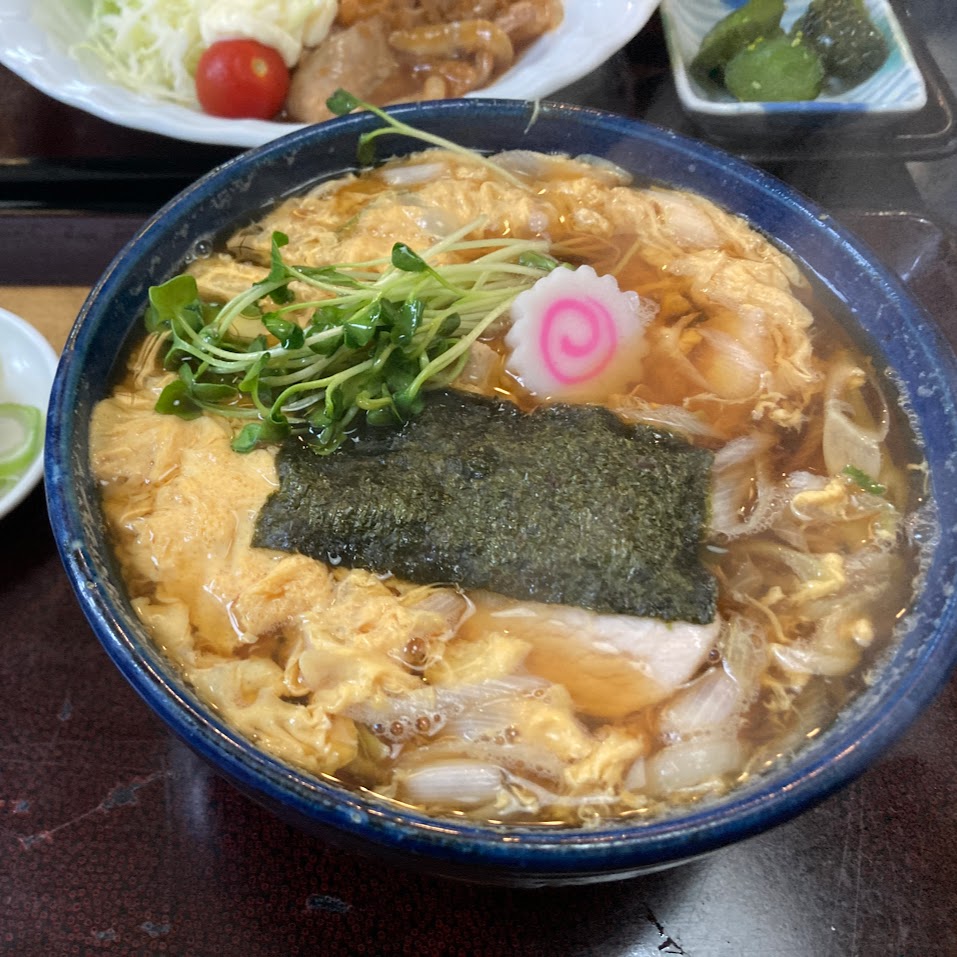
If sushi is the icon, ramen is the obsession. It’s cheap, regional, and endlessly varied — and slurping is encouraged (it cools the noodles and, locals say, tastes better). The main broth styles:
- Tonkotsu — rich, milky pork-bone broth, the star of Hakata (Fukuoka) ramen.
- Shoyu — soy-based and savory, the classic Tokyo style.
- Miso — hearty and warming, born in Sapporo and perfect in winter.
- Shio — light, clear salt broth that lets the ingredients shine.
For a special bowl, Tokyo even has Michelin-recognized ramen like Japanese Soba Noodles Tsuta (truffle shoyu) and Nakiryu (tantanmen) — expect to queue. On a budget, Tokyo Station’s Ramen Street gathers famous shops in one corridor, and standing soba/udon stalls serve a hot bowl in minutes for a few hundred yen.
Beyond ramen, don’t miss udon (thick, chewy wheat noodles, best in Kagawa), and soba (nutty buckwheat noodles, served hot or cold with a dipping sauce — a lighter, healthier choice).
Must-Try Dishes Beyond Sushi and Ramen
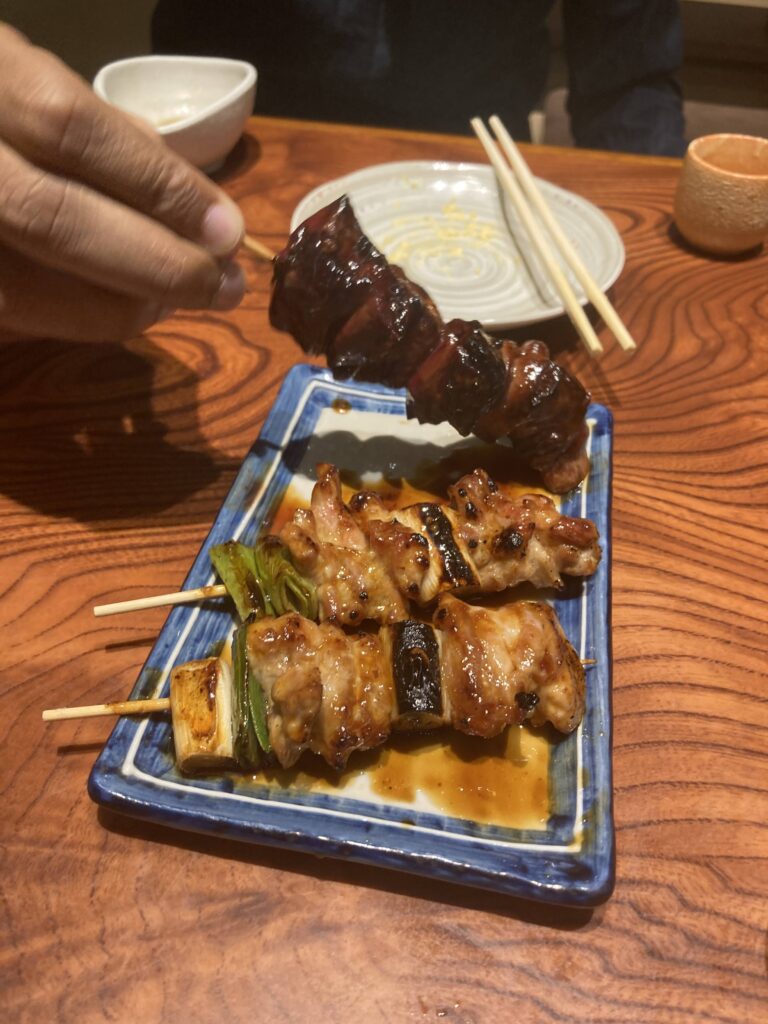
Japan’s everyday food is where the real joy is. Work through as many of these as you can:
- Yakitori — charcoal-grilled chicken skewers, the soul of an izakaya night.
- Tempura — featherlight battered seafood and vegetables; superb at a dedicated counter.
- Tonkatsu — crisp panko-breaded pork cutlet, served with shredded cabbage and rice.
- Gyudon & donburi — savory-sweet beef (or other toppings) over rice; fast, cheap, and satisfying at chains like Yoshinoya and Sukiya.
- Japanese curry — thick, mild, and comforting, nothing like Indian curry; try it with a katsu on top.
- Wagyu & yakiniku — world-famous marbled beef, grilled at your table or as a melt-in-the-mouth steak.
- Okonomiyaki & takoyaki — savory cabbage pancakes and octopus balls, the pride of Osaka and Hiroshima.
- Unagi — grilled freshwater eel glazed in sweet sauce over rice, a summer treat.
- Sweets — delicate wagashi (traditional confections), towering fruit parfaits, and a whole world of seasonal convenience-store desserts.
- Drinks — sake, shochu, highballs, and fruity chuhai. Order them where they belong: a lively izakaya, Japan’s answer to a gastropub.
What to Eat Where: A Regional Cheat Sheet
Half the fun is eating each region’s specialty on its home turf:
- Osaka — takoyaki, okonomiyaki, and kushikatsu. The city’s motto is kuidaore: “eat till you drop.”
- Hiroshima — its own layered, noodle-stuffed okonomiyaki, plus superb oysters.
- Fukuoka — Hakata tonkotsu ramen and motsunabe, best at the open-air yatai stalls.
- Hokkaido — the freshest seafood (uni, crab, salmon roe), miso ramen, and incredible dairy and soft-serve.
- Nagoya — miso katsu and hitsumabushi (grilled eel over rice, three ways).
- Kyoto — refined kaiseki, yudofu (tofu hot pot), and the country’s best matcha sweets.
Many dishes are seasonal too — see when to visit to match your trip to what’s on the menu.
Conbini and Depachika: Unexpected Food Heaven
Don’t sleep on two everyday wonders. Japan’s convenience stores (7-Eleven, Lawson, FamilyMart) sell genuinely good, cheap food around the clock — onigiri, egg sandwiches, fried chicken, hot oden in winter, and a rotating cast of excellent seasonal sweets. And depachika, the food halls in department-store basements, are a feast for the eyes: gorgeous bento, wagashi, and prepared dishes, perfect for a picnic or a hotel-room spread.
Washoku: The Culture Behind the Food
Traditional Japanese cuisine, washoku, is built on harmony, seasonality, and respect for ingredients — so valued it’s recognized by UNESCO. The everyday structure is ichiju-sansai (“one soup, three dishes”): rice, a bowl of miso soup, and a few small dishes built around fish, tofu, and seasonal vegetables, with dashi (umami-rich stock) tying it together.
You’ll hear “itadakimasu” before a meal and “gochisosama” after — expressions of gratitude for the food and everyone behind it. Soybeans run through it all, from miso and soy sauce to tofu and natto. At the refined end sits kaiseki, a seasonal multi-course meal that’s an art form in itself — best experienced at a ryokan or a dedicated restaurant in Kyoto.
Japanese Tea
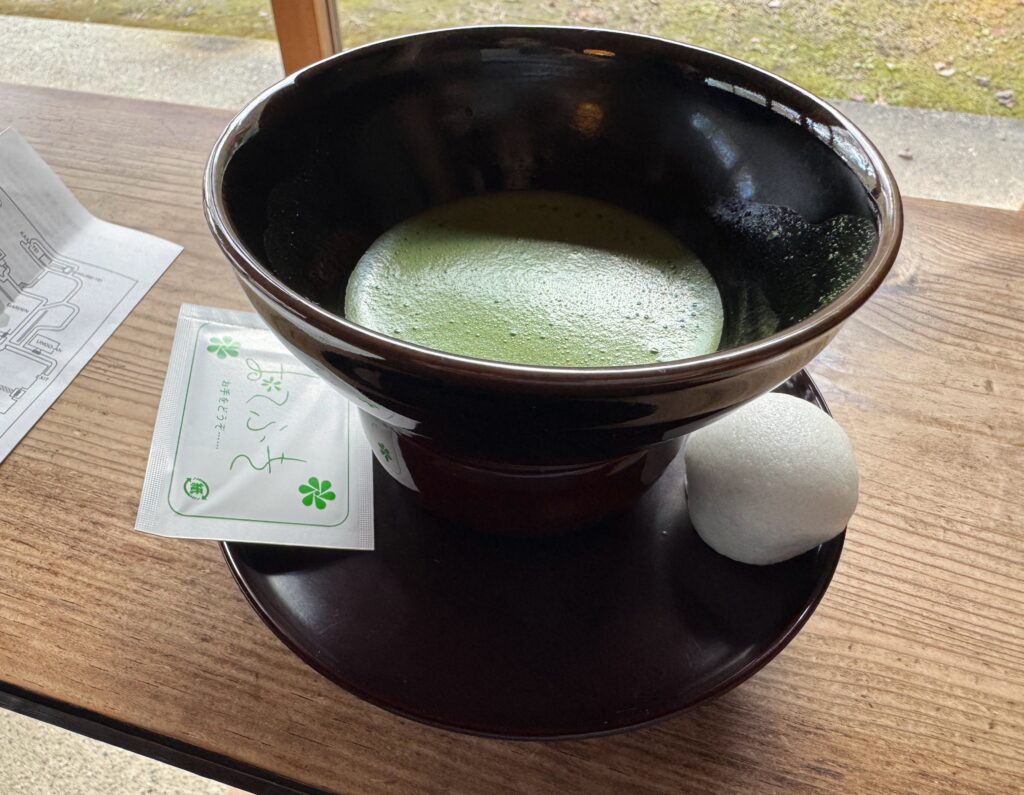
Tea is woven through the culture. The tea ceremony (chanoyu), rooted in Zen, turns the making of matcha (powdered green tea) into a meditation on hospitality. Beyond the ceremony, try everyday sencha, luxurious shaded gyokuro, or toasty, low-caffeine hojicha in the evening.
A tip if you think matcha isn’t for you: my husband doesn’t like matcha on its own either — but having it the traditional way, a bowl of matcha alongside a wagashi sweet at Kōdai-ji temple in Kyoto, completely won him over. The sweet balances the bitterness. Don’t write it off until you’ve tried that pairing.
Get Hands-On: Cooking Classes and Home Cooking
Some of the most memorable food moments come from making it yourself. A hands-on sushi-making class in Tokyo is a fun, beginner-friendly way to learn the basics and take the skills home.
To taste real home cooking, stay at a ryokan for its seasonal multi-course dinners and breakfasts. And seek out Japan’s beloved comfort foods (B-kyu gurume): nikujaga (meat-and-potato stew), tamago kake gohan (raw egg over hot rice), and a simple bowl of miso soup — humble, nourishing, and the heart of an everyday Japanese meal.
Eating Vegetarian or Vegan
It takes a little planning, because dashi (fish stock) hides in many “vegetable” dishes. Your best bets:
- Shojin ryori — traditional Buddhist temple cuisine, entirely plant-based and genuinely delicious.
- Dedicated restaurants — use the HappyCow app to find veg and vegan spots, especially in Tokyo and Kyoto.
- Self-catering — supermarkets are full of tofu, vegetables, and grains, often the easiest route to a fully plant-based diet.
Tempura vegetables, zaru soba, and tofu dishes are widely available — just carry a translation card explaining your needs (more in our practical tips guide).
Quirky and Themed Dining
For a only-in-Japan night out:
- Ninja Akasaka (Tokyo) — a theatrical, ninja-themed restaurant with hidden passages and tableside tricks.
- Chanko-nabe in Ryogoku — eat the hearty hot pot that sumo wrestlers train on, in Tokyo’s sumo district.
- Akihabara maid cafes — kitsch, cute, and unmistakably Tokyo.
- A neighborhood izakaya — honestly the most rewarding “experience” of all: small plates, cheap drinks, and the warm buzz of a local night out.
Frequently Asked Questions
Do I need reservations to eat well in Japan?
Not for most meals — ramen shops, izakaya, kaiten-zushi, and markets are walk-in. Book ahead only for high-end restaurants and famous counters, some of which require a hotel concierge.
How do I order at a ramen ticket machine?
Insert cash (some take IC cards), press the button for your dish — most have photos or English — collect the ticket, and hand it to the staff at the counter. Easy once you’ve done it once.
Is eating out in Japan expensive?
It can be remarkably cheap. A great bowl of ramen or a gyudon runs ¥500–¥1,000, and there’s no tipping. Fine dining and wagyu are where costs climb. See our cost guide for budgets.
Can vegetarians and vegans eat well?
Yes, with planning. Lean on shojin ryori, the HappyCow app, and self-catering, and watch for hidden dashi in otherwise meat-free dishes.
Which city has the best food?
Osaka is Japan’s street-food capital, Tokyo has the most Michelin stars in the world, Kyoto owns refined kaiseki and tea, and Fukuoka is a ramen-lover’s dream. You really can’t lose.
Final Tips
Be adventurous, eat where the locals queue, and don’t over-plan — some of the best meals are the random ones. From a midnight bowl of ramen to a quiet cup of matcha, every meal in Japan tells a story. Next, find your regional specialties in our guide to the best places to visit, or build a route with our 2-week itineraries.


3 thoughts on “Japanese Food Experiences: What to Eat & Must-Try Tips (2026)”