I shop for souvenirs more than almost anyone I know. Living in Japan with an Indian husband means every trip back to see his family, and every visit from mine, comes with a mental list of things to carry across borders. After years of this, I’ve learned which gifts get an honest “wow” and which ones quietly end up in a drawer. The short version: Japan is a paradise for gift-hunting, but the best souvenir depends entirely on who’s receiving it.
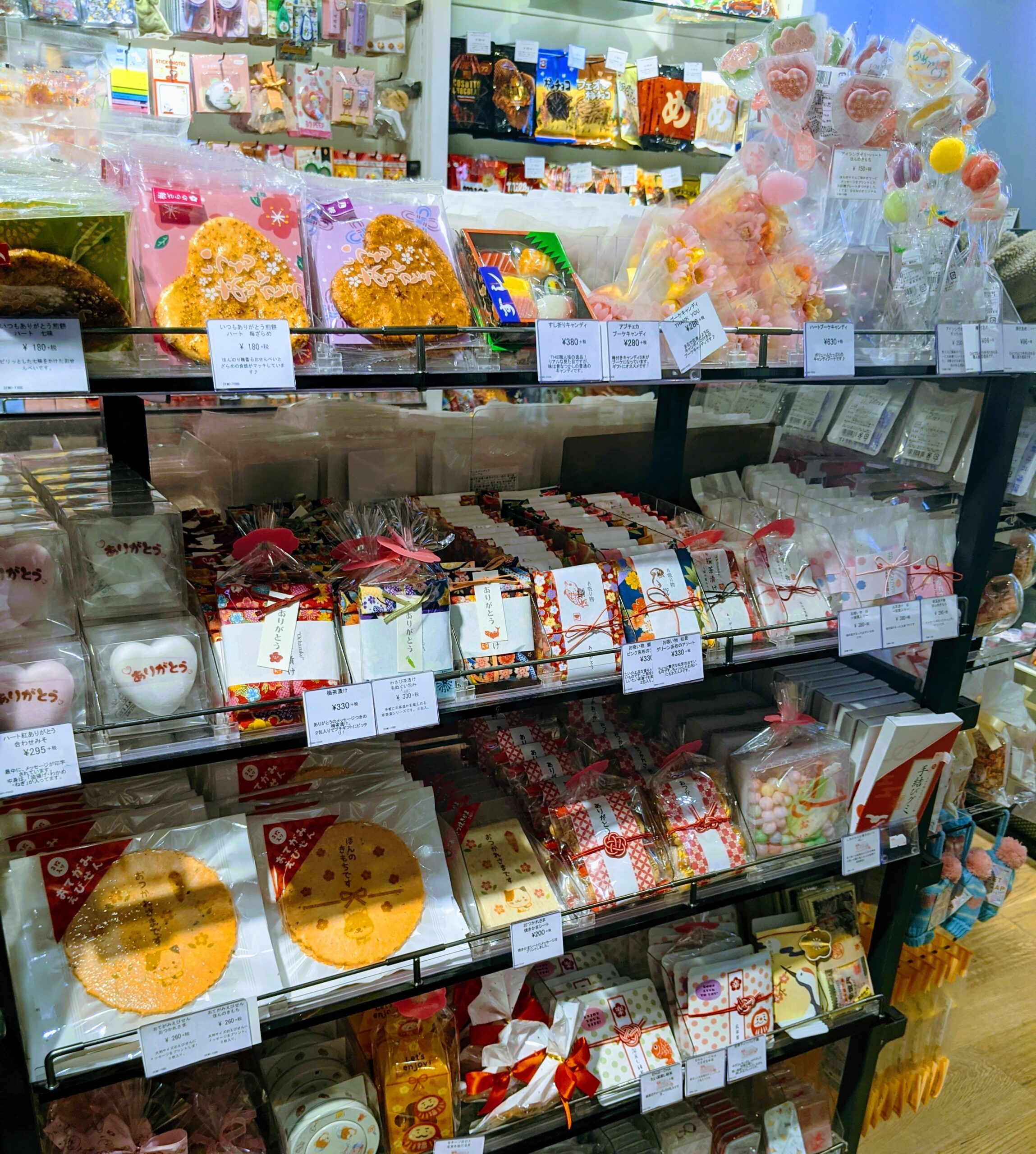
This guide covers the souvenirs from Japan I actually recommend — sweets, beauty, crafts, knives, anime collectibles — plus the practical stuff most lists skip: where to buy them, how tax-free shopping works (it changes in November 2026), and how to get fragile or liquid items home without heartbreak. One honest caveat before we start: taste is personal. I’m a die-hard matcha lover, and my husband can’t stand the stuff. So treat this as a menu, not a checklist.
Edible Souvenirs: The Safest Crowd-Pleasers
If you’re unsure what to bring, start with food. Japanese snacks and sweets are individually wrapped, beautifully boxed, and easy to share around an office or a big family. They’re also the souvenirs I’ve seen disappear the fastest.
Modern Sweets and Snacks Everyone Recognizes
My most reliable gift isn’t fancy at all: Bourbon Lumonde, the slim, lacy rolled wafer you’ll find in any supermarket or convenience store for a few hundred yen. I’ve handed boxes of these to relatives in India for years and they’re always a hit — light, not too sweet, and somehow more exciting abroad than its humble price suggests. Don’t overthink “premium.” Sometimes the everyday snack wins.
When you do want something special, these three rarely miss:
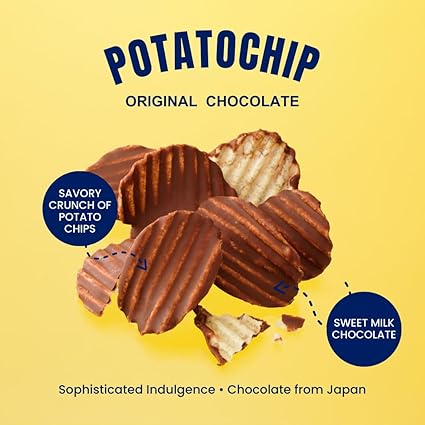
From Hokkaido, Royce’ is famous for its melt-in-your-mouth nama (fresh) chocolate, but the potato-chip chocolate — salty crisp dipped in chocolate — is the one people remember. Keep it cool in transit; it softens in a hot suitcase.
Yoku Moku “Cigare”
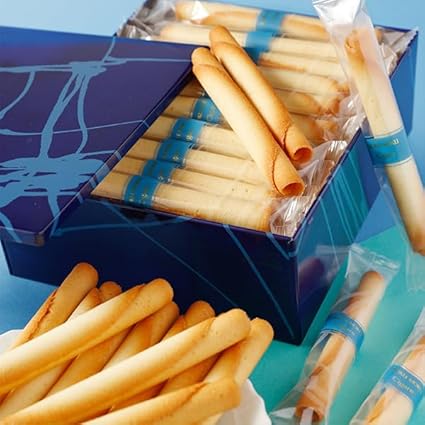
This delicate buttery rolled cookie is the gift Japanese people give when they want to look classy — it’s the default for formal occasions here. Yoku Moku‘s whole lineup is safe territory if you need something that signals “I put thought into this.”
Japanese KitKat (the weird flavors)
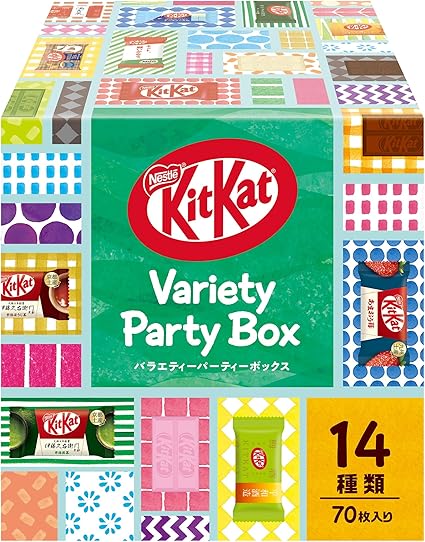
Japan’s KitKats are world-famous for a reason: matcha, sake, wasabi, cherry blossom, regional-only flavors. They’re cheap, fun, and perfect when you need a dozen small gifts for coworkers. Look for region-exclusive boxes at airports and station shops.
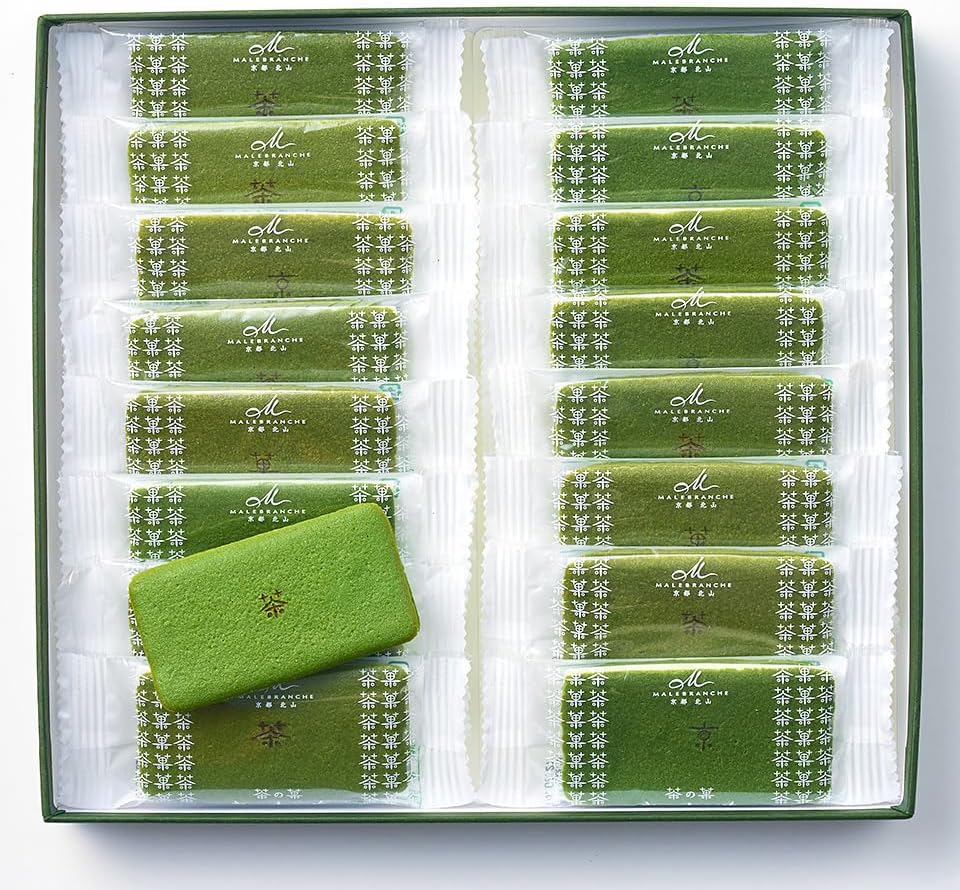
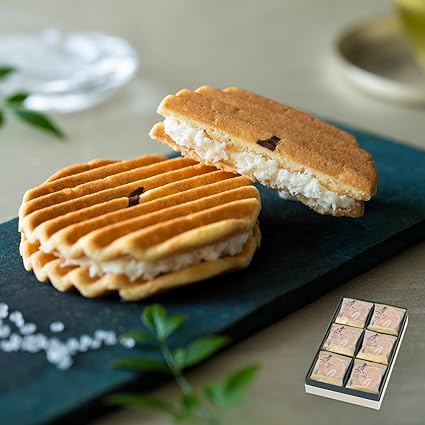
For something more refined, two Kyoto-leaning picks I love: Langue de Chat “Chanoka” and Senju Senbei — thin, crispy wafers filled with creamy white chocolate.
As a matcha obsessive, Chanoka is my personal favorite — the elegant bitterness of green tea against a thin layer of white chocolate, sandwiched in crisp cookies. It’s Kyoto-exclusive, but if you can’t get there it’s on Amazon Japan.
Wagashi: Traditional Japanese Sweets
Wagashi (traditional Japanese sweets) are made with red bean paste, mochi, and natural ingredients, and many are oil-free — though not all are gluten-free, since some doughs use wheat. They’re elegantly packaged and reflect the season, which makes them feel like a genuine taste of Japanese culture rather than just a snack. A few to look for:
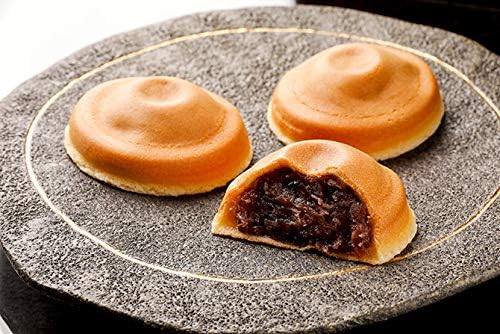
- Ajari Mochi: A Kyoto specialty — soft, lightly grilled mochi dough around smooth red bean paste. The name comes from “ācārya,” a Sanskrit word for a Buddhist teacher.
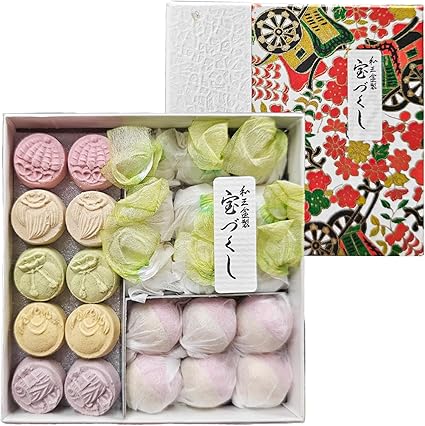
- Higashi: Delicate dry sweets of pressed sugar and starch, traditionally served alongside matcha.
Matcha and Green Tea
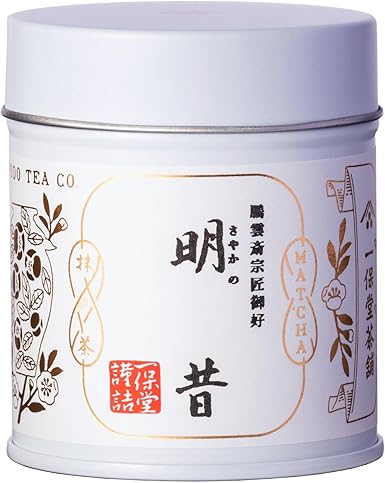
For real matcha, Kyoto has some of the best tea houses in Japan. My go-to recommendation for beginners is Ippodo’s Sayaka no Mukashi — unlike the sweetened “matcha-flavored” powders sold abroad, this is the real thing: a balance of bitterness, umami, and a quiet natural sweetness. Pair it with a bamboo whisk (chasen) and you’ve got a gift that doubles as a little ritual.
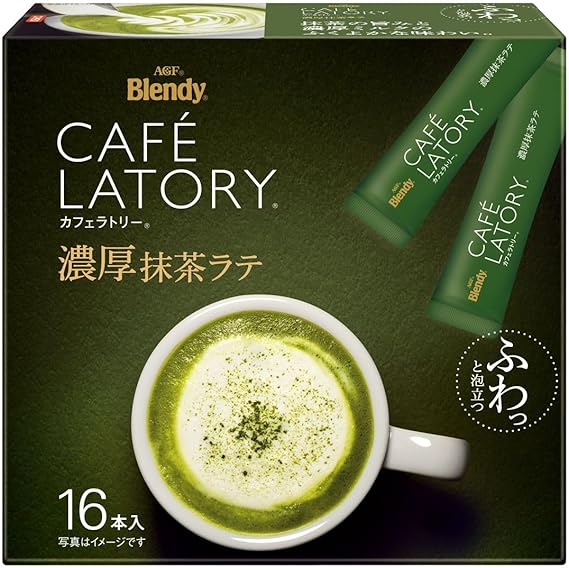
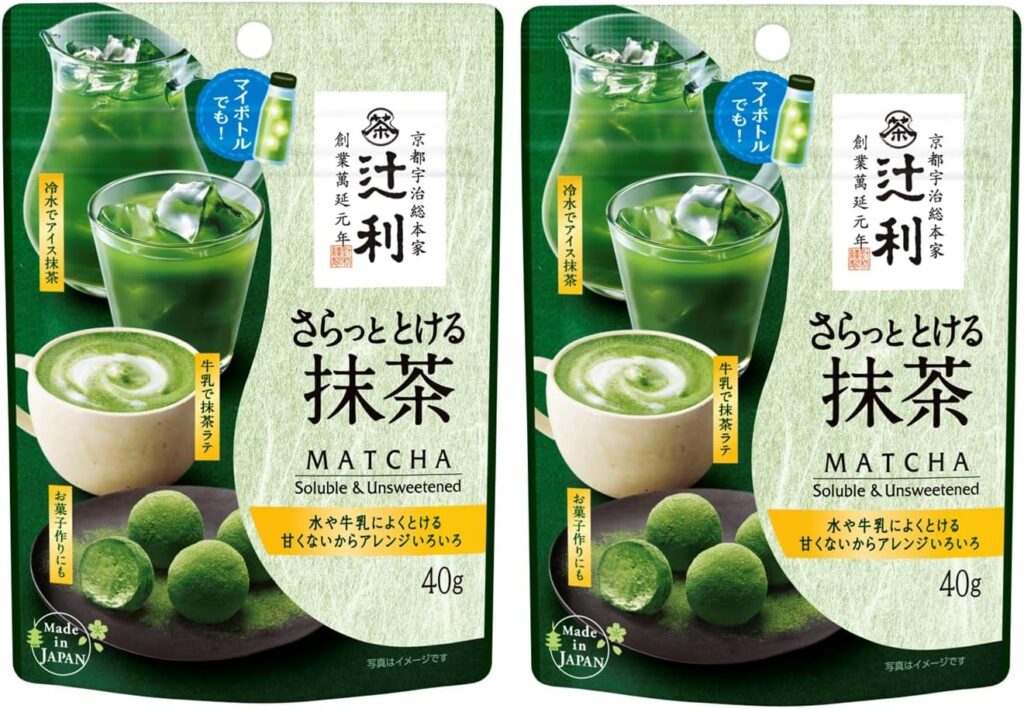
Not everyone wants to whisk their own tea, though. For easier gifts, instant matcha or green-tea latte powder just needs hot water or milk. And a fair warning from my own home: matcha is divisive. My husband won’t touch it, so I always pack a non-matcha option alongside.
Sake and Japanese Whisky
For drinkers, sake and Japanese whisky are excellent gifts. Sake (brewed from rice) varies wildly by region, so ask the shop for a local one — it makes a better story than a famous national brand. Japanese whisky like Suntory’s Yamazaki or Nikka is world-renowned, though the prized bottles are increasingly hard to find and pricey. One important catch most lists ignore: you can’t carry bottles over 100 ml in your hand luggage. Buy them with checked baggage in mind, or pick them up at the airport duty-free after security. More on getting liquids home safely below.
Japanese Beauty and Drugstore Finds (Seriously Underrated)
This is the category most souvenir guides skip, and it’s the one that’s earned me the biggest reactions abroad. Japanese skincare and haircare are affordable, well-made, and often impossible to find in other countries.
My single most-praised gift is the Shiseido Fino Premium Touch hair mask — a drugstore tub that costs around ¥1,000 and leaves hair ridiculously soft. I’ve given it to relatives in India and gotten texts about it weeks later. Drugstores like Matsukiyo, Welcia, and Don Quijote are gold mines for this: sheet masks, Shiseido Senka cleansers, Biore UV sunscreens (genuinely better than most Western versions), Megurism steam eye masks, and Hada Labo lotions.
If you want to go upmarket, the depacos (department-store cosmetics) counters at Isetan or Takashimaya sell beautifully boxed holiday coffrets and gift sets from Japanese and luxury brands — a Dior coffret is a reliable showstopper. My in-laws were genuinely thrilled with these — many of the brands and limited sets simply aren’t sold in India, so a Japanese coffret feels like something they couldn’t get any other way. That “you can’t buy this back home” factor is what turns a nice gift into a memorable one.
Traditional Japanese Souvenirs and Lucky Charms
Japan’s traditional crafts are rooted in history and make meaningful, lightweight keepsakes — ideal when you want something more lasting than snacks.
Omamori (Lucky Charms) and Ema
Omamori are small embroidered pouches sold at temples and shrines, each meant to bring luck in a specific area — health, study, love, safe travel. They’re tiny, cheap (usually ¥500–1,000), and carry real cultural meaning. Ema, the wooden wish plaques, also make charming decorative keepsakes. A quick note of respect: omamori are meant as blessings, so they’re best given as thoughtful gifts rather than novelty trinkets.
Daruma Dolls and Maneki Neko
The round red daruma doll represents perseverance: you fill in one eye when you set a goal and the other when you achieve it. It’s a gift with a built-in message, which people abroad tend to love once you explain it. The Maneki Neko (beckoning “lucky cat”) is just as iconic — a cheerful good-luck charm that comes in every size and color and looks great on a shelf.
Souvenirs for Anime, Manga, and Ghibli Fans
Studio Ghibli Collectibles
Here’s something a lot of guides get wrong: the goods sold at the Ghibli Museum shop (“Mamma Aiuto!”) in Mitaka are museum-exclusive — you can’t buy those specific items on Amazon, and the museum doesn’t ship purchases internationally, so you carry them out yourself. There’s an official online store, but it only delivers within Japan. So if a true museum exclusive is your goal, you’ll need to visit (book tickets well in advance) or use a forwarding service.
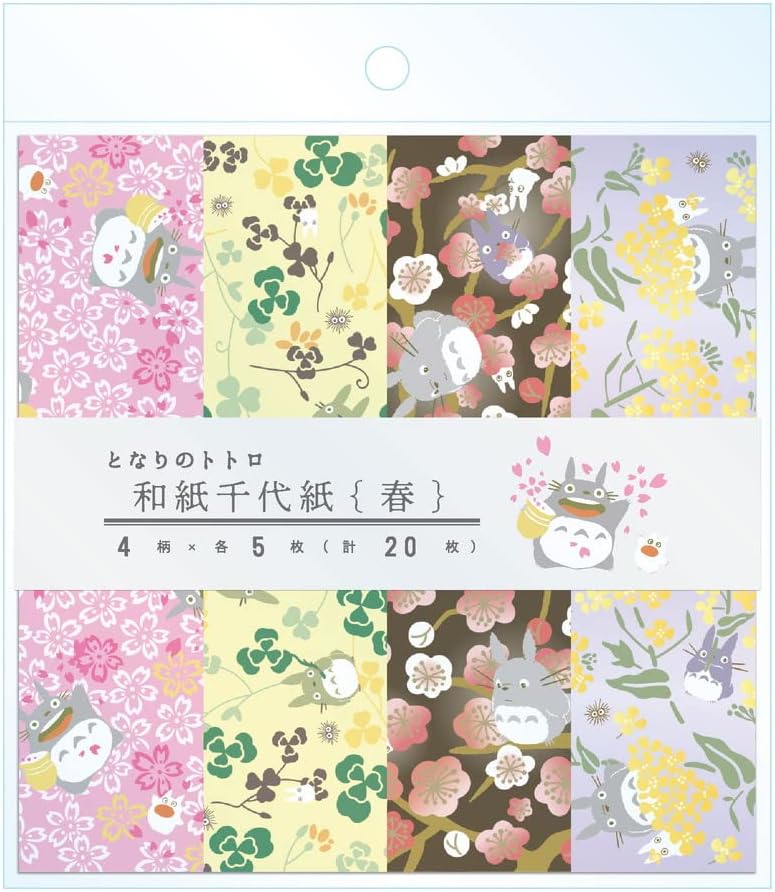
That said, plenty of lovely general Ghibli merchandise — origami, towels, figurines, homeware — is widely available and easy to ship within Japan via Amazon.jp, often with next-day delivery to your hotel. A few that travel well:
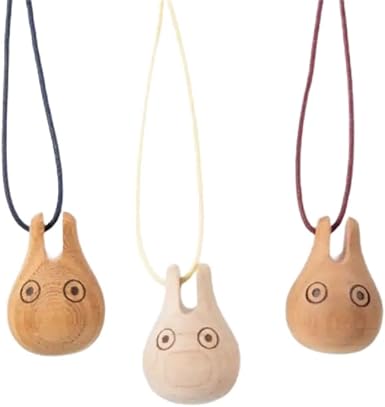
- Totoro MOKURIN: A wooden bell handcrafted from cherry, maple, or zelkova wood.
- Origami Paper: Ghibli-themed origami sets, light and flat for packing.
- Hand Towels: High-quality Ise-cotton towels using Kyoto dyeing techniques.
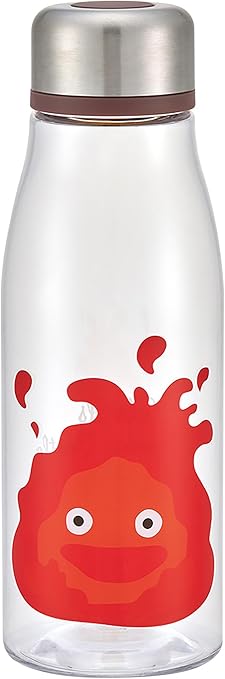
- Howl’s Moving Castle Water Bottle: A practical, kid-friendly bottle featuring Calcifer.
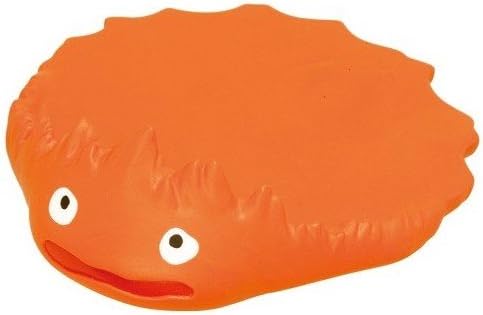
- Calcifer Coasters: Great for small, personalized gifts.

Manga, Artbooks, and Akihabara
Japan is heaven for manga fans — original volumes, artbooks, and special editions you won’t see abroad. If you read English, the best stop in Tokyo is Books Kinokuniya Tokyo on the 6th floor of Takashimaya Times Square (South Building) by Shinjuku Station — Japan’s only store dedicated entirely to foreign-language books, with around 120,000 titles. For figures, posters, and rare collector’s items, head to Akihabara, Tokyo’s anime and electronics district.
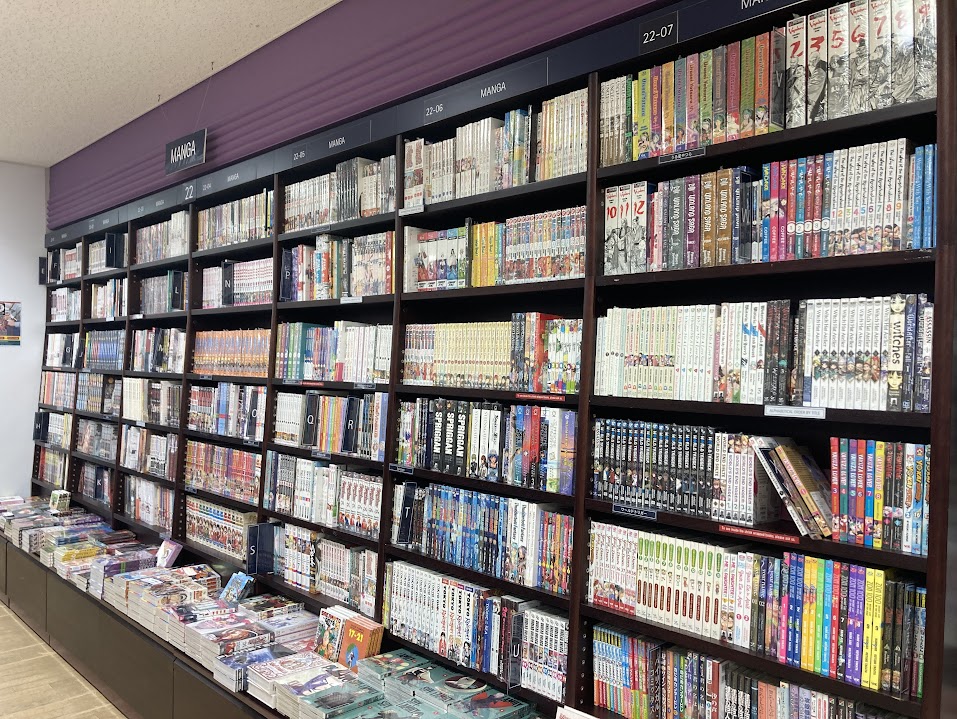
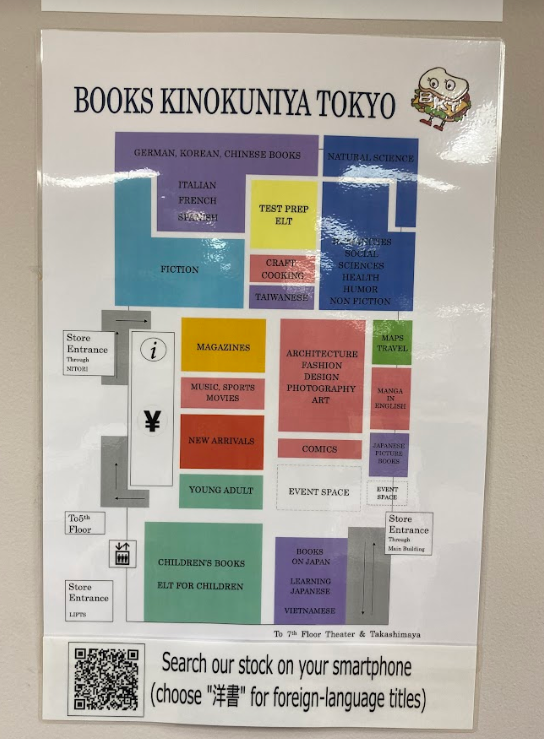
Can’t make it to a store? Amazon.jp carries a huge manga selection in both Japanese and English, with hotel delivery in big cities. A couple I’d recommend picking up:
- Dead Dead Demon’s Dededede Destruction: Inio Asano’s blend of slice-of-life and sci-fi; the anime is on Netflix.
- Heavenly Delusion: A gripping post-apocalyptic mystery with stunning art.
Replica Food and Quirky Finds
The plastic “fake food” in restaurant windows has become a souvenir genre of its own. You’ll find keychains and magnets shaped like sushi, ramen, and parfaits — cheap, compact, and always a conversation starter. Kappabashi in Tokyo is the place to find the high-quality stuff.
Practical and Everyday Souvenirs
Some of the best things to buy in Japan are the useful ones — items people actually keep and use, which is more than you can say for most fridge magnets.
Japanese Kitchen Knives
Japanese kitchen knives are famous for their precision and edge, and a good one is a gift a home cook will treasure for years. Specialty shops in Tokyo’s Kappabashi “kitchen town” and department stores will sharpen and even engrave them. Pack knives in checked luggage only — never carry-on.
Stationery
Japanese stationery is a quiet superpower. Pilot’s Frixion erasable pens, Uni-ball gels, Midori notebooks, and washi tape are inexpensive, light, and beloved by anyone who writes or journals. Itoya in Ginza, Loft, and Tokyu Hands are the best hunting grounds.
Uniqlo and Everyday Apparel
Don’t sleep on Uniqlo. In Japan it’s everyday basics, but abroad it carries a surprisingly premium reputation — my husband’s family treats Uniqlo HeatTech, AIRism, and the lightweight down jackets as proper gifts. Japan-exclusive UT graphic tees (anime, museum, and artist collaborations) make especially fun souvenirs you can’t get elsewhere.
Umbrellas and Bath Goods
Japan’s clear plastic and designer umbrellas are weirdly excellent, and the bath aisle is a treasure trove: yuzu and sakura bath salts, hinoki (cypress) soaks, and novelty bath bombs with little figures inside. Cheap, light, and a small slice of the Japanese bath ritual.
Where to Buy Souvenirs in Japan
Knowing where to look saves a lot of wandering. Here’s how I split it up.
Department Stores (Depachika Especially)
Stores like Isetan, Takashimaya, and Mitsukoshi are the one-stop answer for high-quality gifts. Don’t miss the depachika (the basement food halls) — they’re stacked with beautifully boxed sweets, regional specialties, and gift sets, and the staff will wrap things impeccably. The upper floors cover the depacos beauty counters and homeware.
Train Stations and Airports
Tokyo Station is a souvenir destination in itself. Inside the gates, GRANSTA has 60+ shops with bento, Tokyo-only sweets, and gifts from around the country. Outside the gates, TOKYO Me+ (near the Yaesu North Exit) is great for premium picks, and ecute sells fun items like towels printed with Tokyo’s railway map. At Kyoto Station, the 2nd-floor Shinkansen concourse is full of Kyoto-exclusive matcha sweets and crafts. And Narita and Haneda airports are your last-chance stop — handy, and the only place to buy liquor as carry-on after security.
Convenience Stores and Don Quijote
Don’t overlook the humble konbini — 7-Eleven, FamilyMart, and Lawson are full of seasonal snacks, limited-edition KitKats, and cheap, fun finds (this is where I stock up on Lumonde). For everything-under-one-roof chaos, Don Quijote (“Donki”) stacks snacks, beauty, electronics, and novelty goods to the ceiling and stays open late — many branches handle tax-free, too.
Specialty and Online Shops
For specific things, go specialist: stationery at Itoya, lifestyle goods at Tokyu Hands and Loft, knives at Kappabashi. And if you run out of time, Amazon.jp and Yodobashi can deliver to your hotel, often next day in big cities.
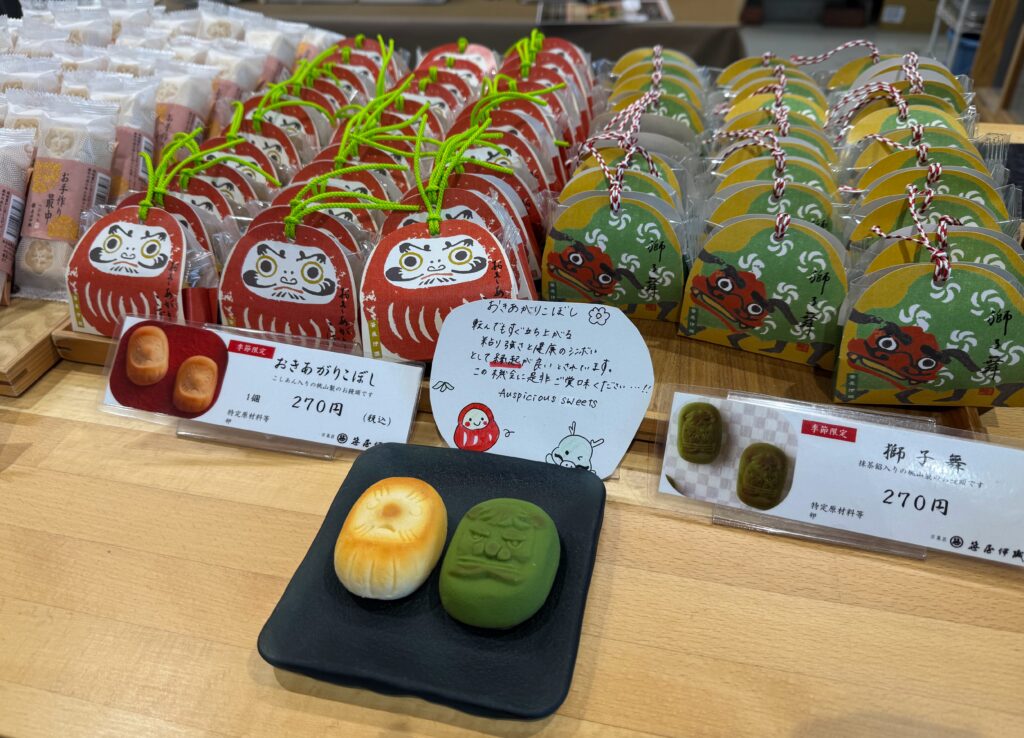
One last tip: leave room for accidents. Some of our favorite souvenirs weren’t planned at all — like the little daruma-shaped sweets above that we found on a walk through Shinjuku Gyoen. A casual stroll often beats a shopping list.
Tax-Free Shopping in Japan (Big Change Coming November 2026)
If you’re a tourist, tax-free shopping can knock 10% off your souvenir haul — worth understanding, especially because the system is changing.
- The basics: Spend at least ¥5,000 (tax excluded) in one day at one tax-free store, show your passport, and leave Japan within the allowed window (currently 30 days; 90 days under the new system).
- Until October 31, 2026: the tax is simply deducted at the register, and consumables (food, cosmetics, medicine) come in a sealed bag you’re not supposed to open until you leave.
- From November 1, 2026: Japan switches to a “pay first, refund later” system. You pay the full tax-included price in the shop and claim the refund at the airport when you depart. The upside: the sealed-bag rule and the old ¥500,000 daily cap are scrapped, and the confusing consumable/non-consumable split goes away.
- Who qualifies: short-term foreign visitors. If you live here on a residence card, you’re a resident and not eligible for tourist tax-free shopping — a common surprise for expats buying gifts.
How to Get Your Souvenirs Home Safely
Buying is the easy part. Getting everything home in one piece is where trips go sideways, so a little planning helps.
- Liquids (sake, whisky, soy sauce, yuzu drinks): anything over 100 ml must go in checked luggage, not carry-on. For alcohol between 24% and 70% ABV, airlines allow up to 5 liters per person in unopened retail packaging. Duty-free bottles bought airside can be carried on, sealed in their STEB bag.
- Customs at home: rules vary by country. The US, for example, allows just 1 liter of alcohol duty-free per adult — you can bring more, but you’ll pay duty on the excess. Check your own country’s allowance before you load up.
- Food and plants: sealed sweets, snacks, and tea are generally fine, but meat products (including some flavored snacks and broths) and fresh fruit, seeds, or plants are restricted or banned by many countries. When in doubt, declare it — fines for not declaring hurt more than a confiscated snack.
- Fragile items (ceramics, sake bottles, knives): wrap them in clothing, keep them in the middle of your suitcase, and ask shops for bubble wrap — most are happy to help. Knives go in checked bags only.
Planning the wider trip too? Our guides to budgeting your Japan trip and the common challenges tourists face in Japan pair well with this one.
Quick Tips for Smart Souvenir Shopping
- Watch weight and space. Light, flat, unbreakable things (snacks, omamori, tea, towels) are the easiest wins. Save the bottles and ceramics for when you have room.
- Match the gift to the person. A matcha set is perfect for a tea lover and wasted on someone like my husband. Ask yourself who’s actually receiving it.
- Go regional. Hokkaido’s Royce’, Kyoto’s matcha, regional KitKats — local-only items feel more special and make a better story than a generic national brand.
- Keep your receipts and passport handy if you’re shopping tax-free, especially once the refund-at-airport system starts in late 2026.
Frequently Asked Questions
What is the most popular souvenir from Japan?
Edible souvenirs top the list — Japanese KitKats in unusual flavors, matcha sweets, and snacks like Royce’ chocolate or Bourbon Lumonde. They’re affordable, easy to share, and beautifully packaged. Japanese beauty products and stationery are close behind.
Can I bring matcha and Japanese snacks back to my country?
Sealed, packaged sweets, snacks, and tea (including matcha) are generally allowed into most countries. The main exceptions are products containing meat and any fresh fruit, seeds, or plants, which are often restricted or banned. When unsure, declare the items at customs.
How does tax-free shopping work for tourists in Japan?
Spend at least 5,000 yen in one day at a tax-free store and show your passport to skip the 10% consumption tax. From November 1, 2026, Japan moves to a refund system: you pay the full price in the shop and claim the refund at the airport on departure. Residents with a residence card are not eligible.
Can I buy Ghibli Museum souvenirs online?
The exclusive goods sold at the Ghibli Museum shop in Mitaka are museum-only and aren’t sold on Amazon; the official online store ships within Japan only. However, lots of general (non-exclusive) Ghibli merchandise is available on Amazon.jp with delivery inside Japan.
Where can foreigners buy English manga in Japan?
Books Kinokuniya Tokyo on the 6th floor of Takashimaya Times Square (Shinjuku) is Japan’s only all-foreign-language bookstore and has a big English manga selection. Akihabara is best for figures and collector’s items, and Amazon.jp delivers manga to your hotel in major cities.
Can I bring sake or whisky on the plane?
Bottles over 100 ml can’t go in carry-on — pack them in checked luggage (up to 5 liters per person of alcohol 24–70% ABV, unopened). Duty-free bottles bought after airport security can be carried on. Check your home country’s duty-free allowance, as the US, for instance, allows only 1 liter duty-free.

One thought on “Best Souvenirs from Japan: What to Buy, Where, and How to Get It Home (2026)”