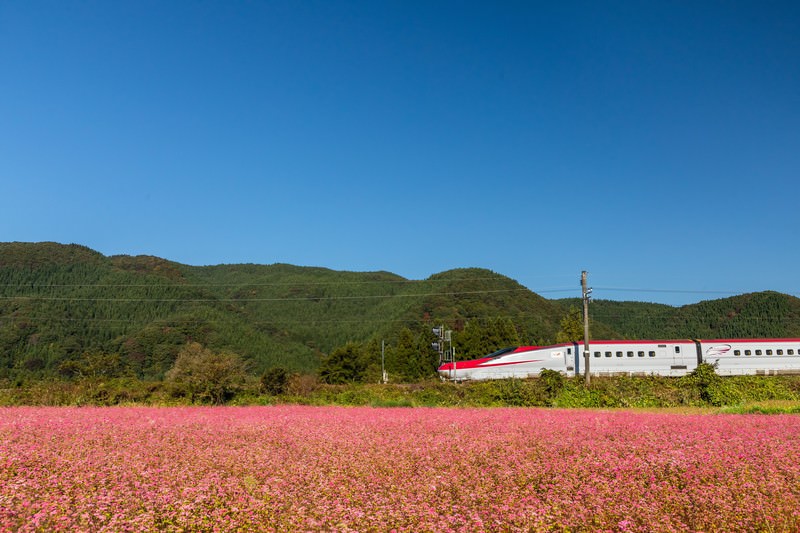
In Japan, the train isn’t just how you get there — sometimes it is the destination. Excursion trains (観光列車, “sightseeing trains”) are built to make the journey the highlight: big panoramic windows, regional design, local food and drink, and routes that hug the coast, the mountains, and the rice fields. They’re affordable, accessible, and a brilliant way to slow down and see the countryside. Here are some of the best.
Want the ultra-premium end instead? See our guide to Japan’s luxury sleeper trains. For everyday travel, see getting around Japan.
What Makes an Excursion Train Special?
Unlike a regular commuter train — or the multi-day luxury cruise trains — excursion trains are usually short day trips designed around the experience:
- Thoughtful interiors with regional themes, big windows, and lounge or box seating.
- Local food and drink served onboard, often featuring the regions you pass through.
- Scenic routes that slow down or stop at the best viewpoints.
- A bit of culture — live music, storytelling, or seasonal events on some lines.
The Best Excursion Trains in Japan
Futatsu-Boshi 4047 — Kyushu
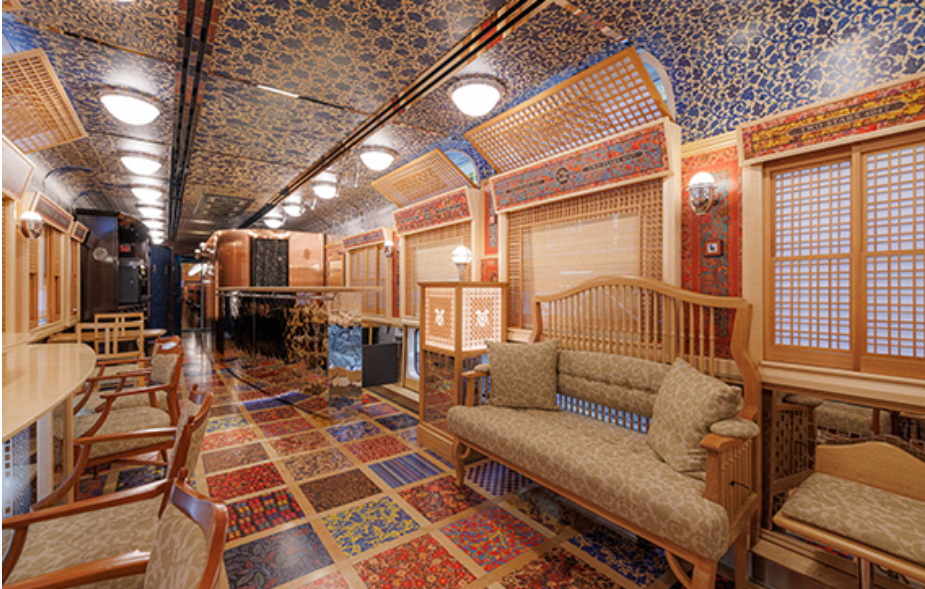
Saga & Nagasaki · 2–3 hours. A stylish “two stars” train tracing the Ariake Sea and Omura Bay, with sweets and local drinks in an elegant lounge. The coastal views are stunning in the late-afternoon light. Not to be confused with the ultra-luxury Seven Stars in Kyushu — that’s a different, multi-day cruise train.
Official website: Futatsu-Boshi 4047 / TWO STARS 4047
Resort Shirakami — Tohoku
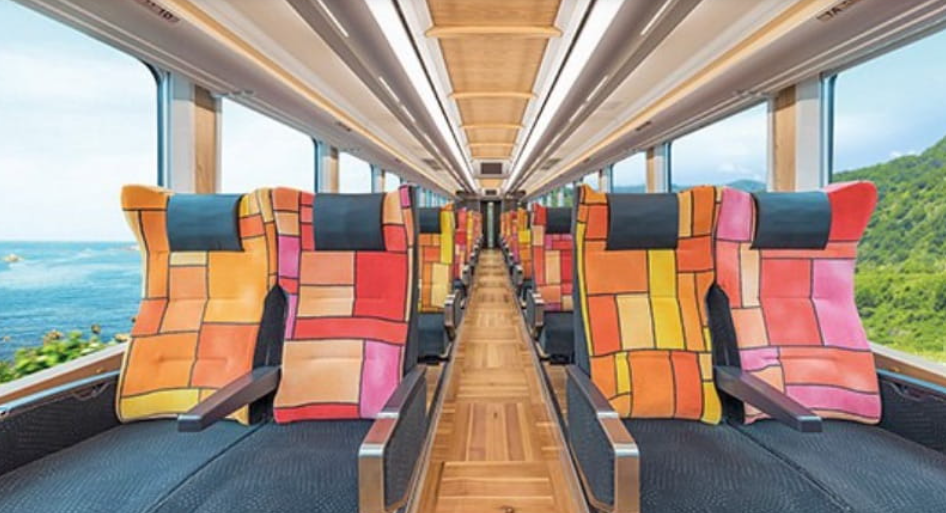
Aomori/Akita, Gono Line · 2–3 hours. Runs between the UNESCO-listed Shirakami mountains and the Sea of Japan, with wood-trimmed carriages and big windows for apple orchards in autumn and snow in winter. Order meals from your phone.
Official website: Resort Shirakami
Taisho Roman — Gifu
Akechi Railway · 1–2 hours. A retro dining train with rotating seasonal themes, from a “Grandma’s Bento” run to a sake-tasting “Masu Sake Train” with unlimited pours on some routes. Charming, fun, and affordable.
Official website (Japanese only): Taisho Roman
Shimanto Torocco — Shikoku
Kochi & Ehime · 1–2 hours. An open-air carriage with no windows, running right alongside the crystal-clear Shimanto River. The most immersive way to feel the countryside rush past.
Official website: Shimanto Torocco
Maru-Maru no Hanashi (○○のはなし) — Yamaguchi
JR West · 2–3 hours. Runs the coast between Shin-Shimonoseki and Higashi-Hagi, with two differently themed cars, onboard cultural events, and Seto Inland and Japan Sea views, plus local food and drink.
Official website: Marumaru no Hanashi
SL Fuyu no Shitsugen-go — Hokkaido
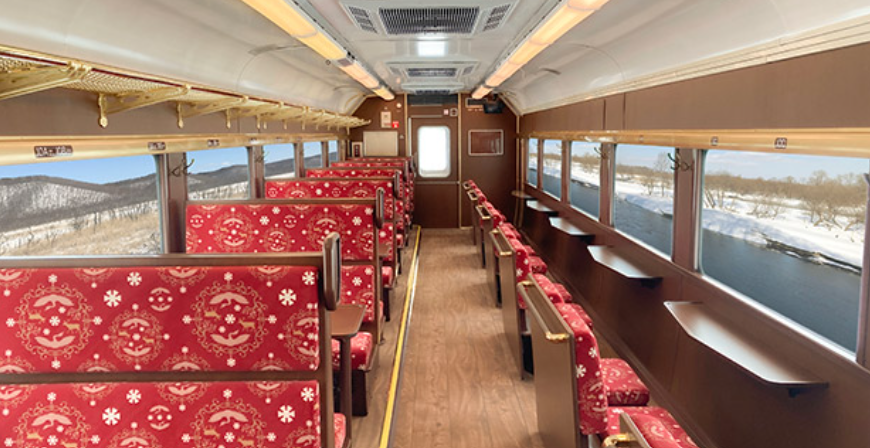
Kushiro Marsh · 2–3 hours, January–March only. A nostalgic C11 steam locomotive chugging through the snowy Kushiro wetlands, with heated “stove cars” and a chance to spot wildlife (look for red-crowned cranes).
Official website: Fuyu no Shitsugen
Kairi — Niigata & Yamagata
JR East · 2–3 hours. A refined train hugging the rugged Japan Sea coast, serving gourmet meals built from the best of Niigata and Yamagata.
Official website: Kairi
52 Seats of Bliss — Saitama
Seibu Railway · 1–2 hours. A chef-curated fine-dining train touring the Chichibu countryside and the Arakawa River — an easy, elegant escape from Tokyo.
Official website: 52 Seats of Bliss
Rokumon — Nagano
Shinano Railway · 2–5 hours. Between Karuizawa and Myoko-Kogen, blending traditional design with private dining, a kids’ play area, local multi-course meals, and even wine-tasting events.
Official website: Rokumon
etSETOra — Seto Inland Sea
Hiroshima area · about a day. A bright, lounge-and-bar train along the Seto Inland Sea with a seafood-focused menu and unobstructed island views. One-way fares are affordable (Hiroshima to Takehara or Onomichi runs roughly ¥2,200–¥2,500).
Official website: JR West
Four Seasons Train — Niigata
Echigo Tokimeki Railway · 1–3 hours. Mountains, the Sea of Japan, and rice paddies, paired with seasonal Niigata cuisine and stops at charming local towns.
Official website: Four Seasons Train
Practical Tips for Riding Excursion Trains
- Reserve in advance. Seats (and meal plans) are limited and popular runs sell out; book through the operating railway’s site or a JR ticket office.
- Check the calendar. Many run only on weekends or in certain seasons — the SL steam train, for instance, is winter-only.
- Travel light and be early. These are day trips on tight schedules that won’t wait for latecomers; forward big luggage ahead.
- Note the JR Pass. Some are covered by a JR or regional pass; many private-railway and meal-inclusive trains need a separate ticket.
Frequently Asked Questions
Are excursion trains expensive?
No — most are affordable day trips, from a few thousand yen for a basic scenic ride to a bit more for meal-inclusive runs. They’re a fraction of the cost of Japan’s luxury sleeper trains.
Do I need to book ahead?
Yes, for reserved seats and any meal service. Popular trains and seasons fill up, so book as early as you can through the operating railway.
Does the Japan Rail Pass cover them?
Some JR-operated trains are covered (you may still pay a seat or meal supplement), but private-railway and dining trains usually require a separate ticket. Check each train before you go.
Which is best for first-timers?
Resort Shirakami (dramatic coast and mountains) and etSETOra or Futatsu-Boshi 4047 (easy, scenic, and food-focused) are crowd-pleasers. Pick by the region you’re already visiting.
Final Thoughts
Slotting one excursion train into your trip turns a travel day into a highlight — slow scenery, regional flavors, and a side of Japan most visitors miss. Match one to where you’re headed in our guide to the best places to visit by region, and if you’re dreaming bigger, see the luxury sleeper trains.


One thought on “The Best Excursion Trains in Japan: Scenic Day-Trip Rides (2026)”