Falling sick somewhere you can’t read the paperwork is its own particular kind of stress. The clinic part, honestly, is one of the smoother things about life in Japan: cheap, quick, and methodical once you’ve done it. What gets you is the first time, when nobody explains the process and half the signs are in kanji. You’re handed a clipboard, pointed at a chair, and left to work out the rest. This guide takes it in order, front desk to pharmacy, and flags the spots that trip people up.
Step 1: Find the Right Clinic in Japan
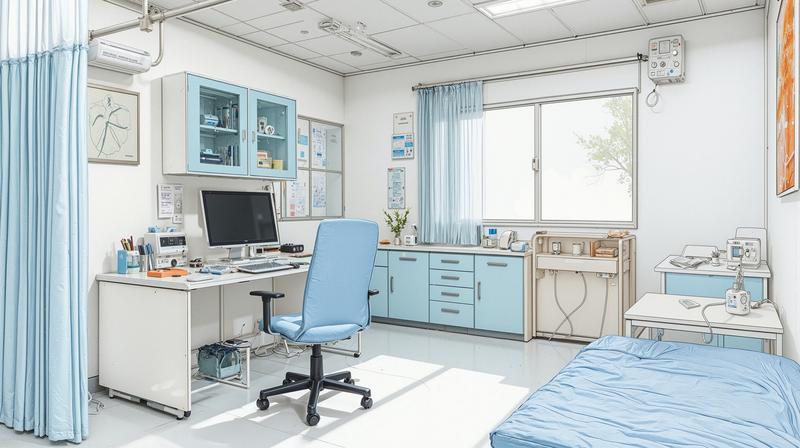
Japan doesn’t really use the GP, or family-doctor, system you might be used to. There’s usually no gatekeeper who refers you onward. Instead you go straight to the clinic that handles your problem. For everyday illness that means internal medicine (内科 naika) for fevers, colds, and stomach trouble; dermatology (皮膚科 hifuka) for skin; ENT (耳鼻咽喉科 jibiinkōka) for ears, nose, and throat; ophthalmology (眼科 ganka) for eyes; orthopedics (整形外科 seikei-geka) for bones, joints, and sports injuries; and pediatrics (小児科 shōnika) for kids. If you genuinely can’t tell which one fits, naika is a safe first stop, and they’ll point you on if needed.
Not sure how the specialties map to your symptoms? Our guide Navigating Japan’s Healthcare System: A Practical Guide for Expats breaks down the departments and how the whole system fits together.
One piece of money-saving advice that surprises a lot of people: start small. For anything that isn’t an emergency, go to a neighborhood clinic, not a big university hospital. If you walk into a large hospital (200+ beds) without a referral letter, you’ll be charged a “selection fee” (選定療養費 sentei ryōyōhi) on top of your normal bill—a minimum of ¥7,700 for a first visit, and it isn’t covered by insurance. The hospitals aren’t being difficult; the fee exists to keep big hospitals free for serious cases. Get a referral from a local clinic first and you skip it entirely.
Step 2: Walk In or Book Ahead?
Most clinics take walk-ins, which is convenient when you wake up feeling awful and just want to be seen. The trade-off is the wait. Popular clinics fill up fast, especially on Monday mornings and the first day after a public holiday, and an hour in the waiting room is normal.
Watch the hours, too. Many clinics close for a long lunch (say, 12:30 to 3:00) and stop accepting new patients 30 minutes or so before the posted closing time—the sign says “受付終了” (reception closed) while the doors are still open, which has sent more than one newcomer home unseen. Check the reception cutoff, not just the closing time.
Some clinics let you book by phone or online, or take a numbered slot through an app so you can wait at home and show up when it’s nearly your turn. Booking ahead also gives you a chance to ask the one question that saves a lot of stress: is there a doctor who speaks English? If communication worries you, our guide to booking English-speaking doctors and pharmacies in Japan is worth a read before you go.
Step 3: Show Your Insurance Card and ID
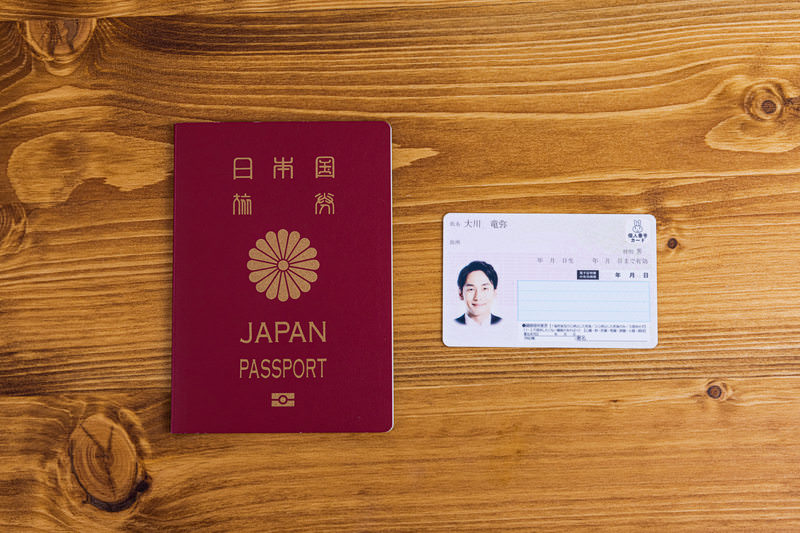
At reception you’ll be asked for proof of insurance and, often, a photo ID such as your residence card or passport.
Here’s the part that changed recently, so older guides will steer you wrong. As of December 2, 2025, Japan retired the old plastic health insurance card. What you bring now is one of these:
- Your My Number Card registered as a health insurance card (マイナ保険証 maina hokenshō). You register it once—at a clinic or pharmacy card reader, through the Mynaportal app, or at a Seven Bank ATM—and after that you just tap it at the reader.
- A Certificate of Eligibility (資格確認書 shikaku kakunin-sho) if you don’t have a My Number Card. Your municipality or insurer issues this as a paper substitute, and it works the same way at the desk.
Either way, once the clinic confirms you’re insured, you pay only your share of the bill. For most adults that’s 30%; children and people 70 and over generally pay 10–20% depending on age and income. The clinic settles the rest directly with the insurer, so you never see the other 70%. For the full picture of how coverage works, see our guide to public health insurance in Japan.
- No insurance yet? You pay 100% on the day. With private or travel insurance you usually pay first and claim it back later, so keep every receipt.
- Forgot your card or left it unregistered? You’ll be billed the full amount that day, but bring proof of insurance back within the same month and the clinic refunds the difference.
Step 4: Fill Out the Registration and Questionnaire Forms
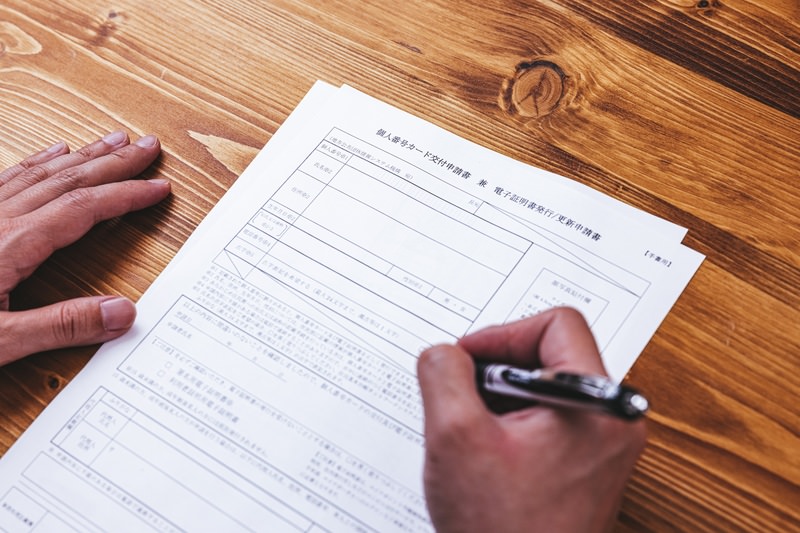
For a first visit you’ll get a sheet that usually combines two things: the registration form (診療申込書 shinryō mōshikomisho) and the medical questionnaire (問診票 monshin-hyō). It looks longer than it is. Most of it is checkboxes.
Expect to fill in:
- Basic details: name, address, phone number, date of birth, and whether it’s your first visit
- Insurance status
- Your main symptom and when it started
- Current medications and any allergies
- Past illnesses or surgeries
Two things make this part smoother. First, note your temperature before you leave home—”fever since Tuesday morning, 38.2°C” tells the doctor far more than “I feel hot,” and it’s the first thing the questionnaire asks. It’s worth keeping a digital thermometer in the bathroom cabinet for exactly this reason; you’ll reach for it more often than you’d think once you’re paying attention to symptoms you used to brush off.
Second, if the Japanese feels like a wall, use a translation app on your phone—you don’t need a dedicated translation gadget. Microsoft Translator (free on iOS and Android) handles the camera-and-text translation you’ll need for a form, and works offline once you’ve downloaded the Japanese pack, which is handy in a basement clinic with no signal. Bigger hospitals often have staff used to foreign patients; small neighborhood clinics may not, so the app is your backup. And if language is a real worry, a service like Hotel de Doctor 24 lets you consult a doctor online in your own language.
Step 5: Seeing the Doctor
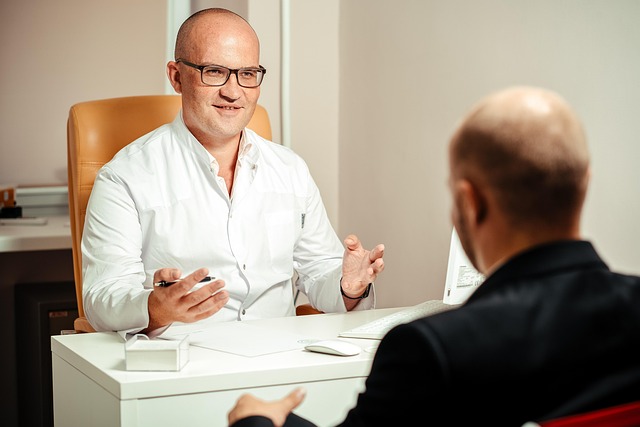
When your name is called, you’ll be shown into the consultation room. The doctor reads back what you wrote, asks a few questions, and examines you. A few things to know going in:
- If you’re speaking English, keep it slow and simple. Even a doctor who reads English fluently may be out of practice speaking it.
- Have your symptoms and their timeline ready, ideally jotted down. It saves a lot of back-and-forth.
- Don’t expect a long chat. Japanese consultations tend to be brief and to the point, and a quiet doctor isn’t a dismissive one. If you want something explained, just ask—they’ll explain.
Depending on what they find, you might leave with a prescription, get sent for tests, or be referred to a larger hospital.
Step 6: Pay at Reception
After the consultation you go back to the waiting area. When the bill is ready, staff call your name again. At the desk you’ll:
- Pay your share—30% with insurance, 100% without
- Get a receipt (領収書 ryōshūsho) and an itemized statement (診療明細書 shinryō meisai-sho)
- Receive a prescription slip (処方箋 shohōsen) if medicine was prescribed
So what does it actually cost? With insurance, an ordinary clinic visit is cheaper than most newcomers expect. Rough out-of-pocket figures:
| What you’re paying for | Your share with insurance (30%) | Notes |
|---|---|---|
| First clinic visit (consultation) | ~¥1,500–4,000 | Higher if tests are done |
| Follow-up visit | ~¥1,000–2,500 | — |
| Common prescription at pharmacy | ~¥500–2,000 | Paid separately at the pharmacy |
| Medical certificate (診断書) | ~¥3,000–5,000 | Not covered by insurance |
| Large hospital, no referral (選定療養費) | +¥7,700 and up | First visit; not covered by insurance |
A practical note: big hospitals usually take cards, but plenty of small clinics and pharmacies are still cash-only. Bring enough yen so a declined card doesn’t become its own problem. And if you need a medical certificate (診断書 shindansho) for an insurance claim or your employer, ask for it at the desk—it costs extra, generally around ¥3,000–5,000, and some clinics need a day or two to prepare it.
Step 7: Get Your Medicine at the Pharmacy
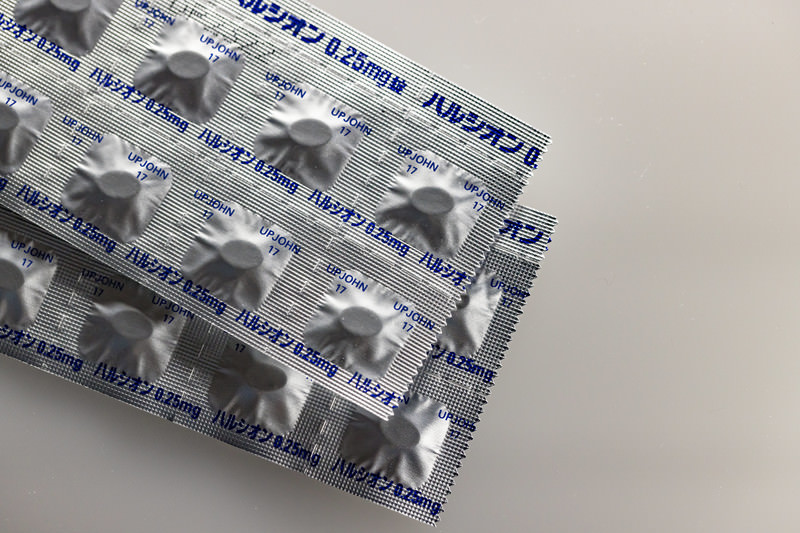
This catches a lot of people out: in Japan the clinic doesn’t usually hand you the medicine. The doctor writes a paper prescription, and you take it to a separate pharmacy (薬局 yakkyoku) to have it filled. You’re not tied to the one next door, either—any pharmacy in the country can fill any prescription, so the one near your home or office is fine.
The one rule to remember: a prescription is valid for 4 days including the day it’s issued. Miss that window and it’s void—you’d have to go back to the clinic for a new one. So don’t sit on it over a long weekend.
At the pharmacy:
- Bring your insurance proof again—your 30% share applies here too, and it’s billed separately from the clinic.
- The pharmacist explains dosage, often with simple Japanese or pictograms, and some add English labels if you ask.
- If anything’s unclear, ask. It’s their job to make sure you know how and when to take it.
One small thing worth picking up on your first visit: a medicine record book (お薬手帳 okusuri techō), free at any pharmacy. Bring it each time and the pharmacist logs what you’ve been prescribed, which catches dangerous drug interactions and, in some pharmacies, even shaves a little off the fee. There’s a free app version too if you’d rather keep it on your phone.
For refills, generic substitutions, and tips on finding an English-friendly pharmacy, see how prescriptions work in Japan.
Handy Japanese Phrases for the Clinic
You don’t need to be fluent to get through a visit. A handful of phrases—or just pointing at this table on your phone—covers most of it.
| English | Japanese | Romaji |
|---|---|---|
| I’d like to see a doctor. | 診察をお願いします。 | Shinsatsu o onegai shimasu. |
| It’s my first visit. | 初診です。 | Shoshin desu. |
| Is there an English-speaking doctor? | 英語を話せる先生はいますか? | Eigo o hanaseru sensei wa imasu ka? |
| I forgot my insurance card. | 保険証を忘れました。 | Hokenshō o wasuremashita. |
| I have a fever / a stomachache. | 熱があります/お腹が痛いです。 | Netsu ga arimasu / Onaka ga itai desu. |
| It started three days ago. | 三日前からです。 | Mikka mae kara desu. |
| I’m allergic to ___. | ___ アレルギーがあります。 | ___ arerugī ga arimasu. |
| Where is the nearest pharmacy? | 一番近い薬局はどこですか? | Ichiban chikai yakkyoku wa doko desu ka? |
When You’re Stuck: Language and After-Hours Help
Clinics keep regular hours and most close on Sundays, holidays, and through lunch. When you fall ill outside those hours, or can’t find anyone who speaks your language, a few services are worth saving in your phone before you ever need them:
- AMDA International Medical Information Center — phone support in several languages to help you find a clinic and understand the system.
- Your prefecture’s medical guide — in Tokyo it’s the Himawari service, which lists clinics by area, specialty, and language. Most prefectures run something similar.
- Online consultation — services like Hotel de Doctor 24 connect you with a doctor in your own language without leaving home.
There’s also a pair of national phone lines for the moment you can’t tell whether you’re overreacting or genuinely need help:
- #7119 — the emergency consultation line for adults. A nurse or doctor hears your symptoms and tells you whether to wait, see a clinic, or call an ambulance. It’s the number to dial when you’re hovering over 119 but not sure it’s warranted.
- #8000 — the same idea for children, staffed by pediatric nurses, for evenings and nights when your kid spikes a fever and the clinic is shut.
Both lines run mainly in Japanese, so if your Japanese is shaky, have a Japanese-speaking friend or a translation app ready, or lean on AMDA instead. Coverage varies a little by region, but #7119 and #8000 work in most of the country.
One line that matters more than any of these: an ambulance and a clinic are not the same call. For a true emergency, dial 119 for an ambulance or fire and 110 for the police. Our guide to emergency numbers in Japan walks through what to say and what happens next.
After Your Visit: A Few Things Worth Doing
That’s the whole loop—registration, doctor, payment, pharmacy. It feels like a lot the first time and like nothing by the third. A few habits make the next visit easier:
- Keep your receipts. If your household’s medical spending tops ¥100,000 in a year, you can claim a tax deduction (医療費控除 iryōhi kōjo), and receipts are the proof.
- Double-check the dosage instructions before you take anything, especially if the label is only in Japanese.
- Go back if symptoms don’t improve, or ask for a referral to a bigger hospital. Persistence isn’t rude here.
The other thing that quietly saves you a clinic trip: a stocked medicine box at home. Pharmacy hours and that 4-day prescription rule both stop mattering when you can handle a minor cut, a headache, or a sudden fever at 11 p.m. yourself. A basic home first-aid and medicine kit covers the small stuff, and you’ll be glad it’s in the cupboard the night you need it.
FAQ: Visiting a Clinic in Japan
Do I need an appointment to see a doctor in Japan?
Usually no. Most clinics accept walk-ins, though you may wait an hour or more at busy times. Booking by phone or online cuts the wait and lets you ask in advance whether an English-speaking doctor is available.
What do I bring now that the old insurance card is gone?
Since December 2025, bring your My Number Card registered for insurance (マイナ保険証) or a Certificate of Eligibility (資格確認書) from your municipality or insurer. Add a photo ID such as your residence card. With either, you pay only your 30% share.
How much does a clinic visit cost with insurance?
For most adults, an ordinary first visit runs about ¥1,500–4,000 out of pocket, plus roughly ¥500–2,000 for medicine at the pharmacy. Tests, certificates, and visiting a large hospital without a referral all add to that. Without insurance you pay the full amount—often ¥5,000–15,000 or more for a first visit with tests—which is exactly why sorting out your insurance early is worth the paperwork.
Can I just go straight to a big hospital?
You can, but it usually costs you. Hospitals with 200 or more beds charge a selection fee (選定療養費) of at least ¥7,700 for a first visit without a referral, and insurance doesn’t cover it. For anything non-urgent, start at a local clinic and get a referral if you need one.
What if I don’t speak Japanese?
You’ll manage. Use a free app like Microsoft Translator for forms, keep a few key phrases handy, and call AMDA or your prefecture’s medical guide (Himawari in Tokyo) to find a clinic with language support. Online services such as Hotel de Doctor 24 let you consult in your own language.


3 thoughts on “Visiting a Clinic in Japan: Step-by-Step Guide for Expats”