Japan has a reputation for being expensive. Some of that is fair, but the part people get wrong is accommodation: even the cheap end here is clean, safe, and weirdly thoughtful about the small stuff. The trick isn’t spending more, it’s knowing which type of place to book, which neighborhood to book it in, and how to lock in the lowest rate before prices climb. That’s exactly what this guide covers for Tokyo, Kyoto, and Osaka.
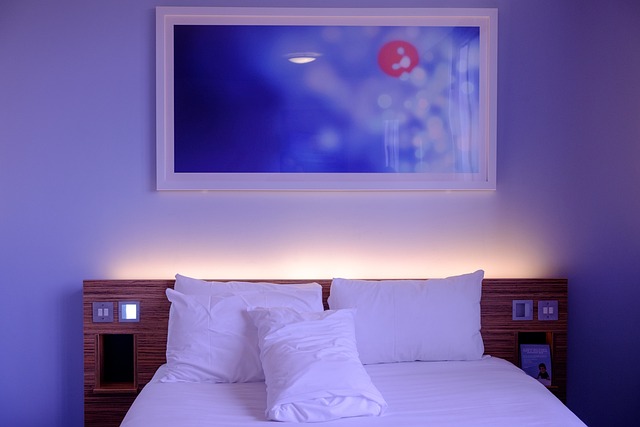
This is the on-the-ground companion to our money guide. If you want the full picture of what a trip costs (flights, food, transport, and how accommodation fits the total), start with Japan Trip Cost in 2026: A Realistic Budget Breakdown.
How to Book the Cheapest Stays in Japan
Before we get into where to stay, the booking part matters more than most people think. The same room can vary by several thousand yen depending on the site and the day you book.
- Compare across sites. Prices for the identical room swing a lot. I usually start on Agoda, which tends to be competitive on Japanese hotels, then cross-check Booking.com and the hotel’s own site. For domestic chains, Rakuten Travel sometimes undercuts the foreign sites, though the interface is clunky in English.
- Book early, and avoid the spikes. Budget rooms in the big cities sell out fast. Rates jump 30–60% during cherry blossom season (late March to early April), the autumn foliage weeks (November), Golden Week (late April to early May), and New Year. If your dates are flexible, weekdays and shoulder months like June or early December are noticeably cheaper.
- Expect a small lodging tax. Tokyo, Osaka, and Kyoto each charge a per-night accommodation tax, usually just a few hundred yen at budget rates, and it’s often collected in cash at check-in. Not a dealbreaker, just don’t be surprised by it.
- Have your passport and a backup payment ready. Hotels are required to photocopy the passport of every foreign guest at check-in, so keep it handy. Most places take cards now, but smaller minshuku and family-run inns can still be cash-only.
Sorting out your phone data and airport transfer at the same time? An Airalo eSIM or a pocket Wi-Fi pickup means you can pull up maps and booking apps the moment you land.
Budget Accommodation Types: Which One, and the Catch
Japan has a sleeping option for every budget and travel style. Here’s the quick version of each, with the budget-traveler angle and the one thing to watch out for. (For the full price-by-price breakdown and my own stays, see the accommodation section of the cost guide.)
Business Hotels — ¥5,000–¥15,000/night
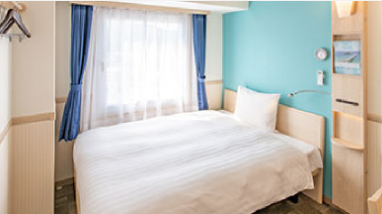
Small, private, spotless rooms a few minutes from a train station, with free Wi-Fi, a desk, a kettle, and an en-suite bathroom. Chains like APA Hotel, Toyoko Inn, and Dormy Inn (the last often has a top-floor onsen and free late-night ramen) are the reliable workhorses. Note that the ¥5,000 floor has mostly vanished in central Tokyo and Kyoto since the post-2024 travel boom; budget on the higher half of that range in peak weeks.
The catch: rooms are genuinely tiny, and the cheapest rates are often non-refundable. Best for: your first night off a long flight, when you just want a door that locks and a bed that’s yours.
Capsule Hotels — ¥3,000–¥6,000/night
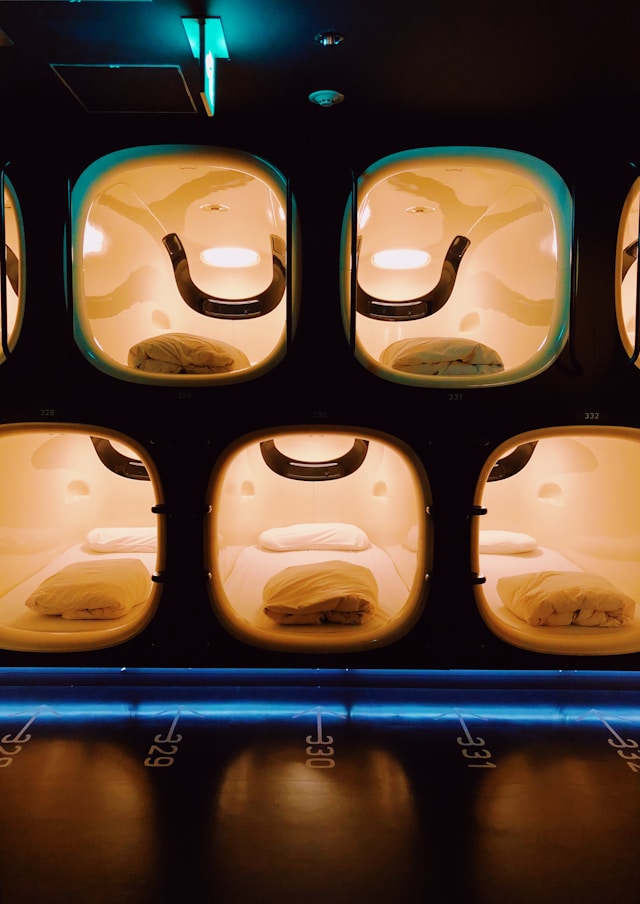
Capsule hotels give you a compact sleeping pod with a USB charger, a reading light, and a privacy curtain, plus shared bathrooms and lockers, almost always right by a station. Many newer ones feel more like a “poshtel,” with a sauna or a communal bath. Most have gender-separated floors, but always confirm a property takes women before booking, since a few older ones are men-only.
The catch: the pods have no lock. That isn’t a security gap, it’s the law. Capsules are legally classed as “simple lodging” and must stay openable for fire evacuation, so valuables go in a lockable locker instead. If you’re traveling with someone who’s never done it, that open-curtain setup can feel exposed the first night. Best for: solo travelers on a short stop with light luggage.
Hostels & Guesthouses — ¥1,500–¥6,000/night (dorm bed)
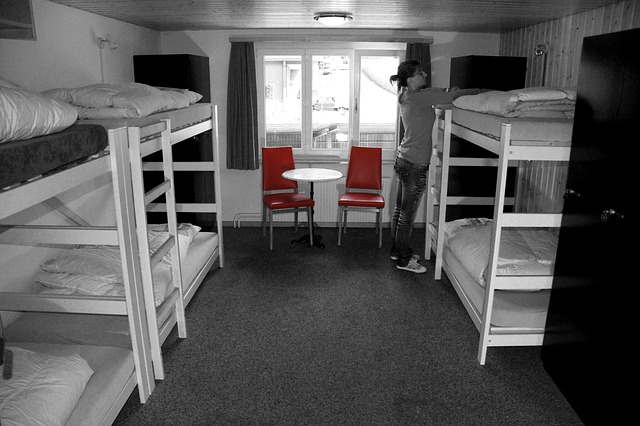
The cheapest beds in Japan, and the most social. Hostels mix dorm rooms with communal kitchens and lounges where conversation just happens, which is the real draw if you’re traveling alone. Many also have cheap private rooms if you want the social common areas without the shared bunk. In Tokyo, Sakura Hotel Ikebukuro is a long-running favorite, with a 24-hour café and a heavily international crowd.
The catch: shared bathrooms, dorm noise, and not much room for big suitcases. Best for: solo and social travelers who’d rather meet people than have privacy. Prefer your own space? Book a women-only dorm, which most hostels offer.
Minshuku — ¥5,000–¥20,000/night
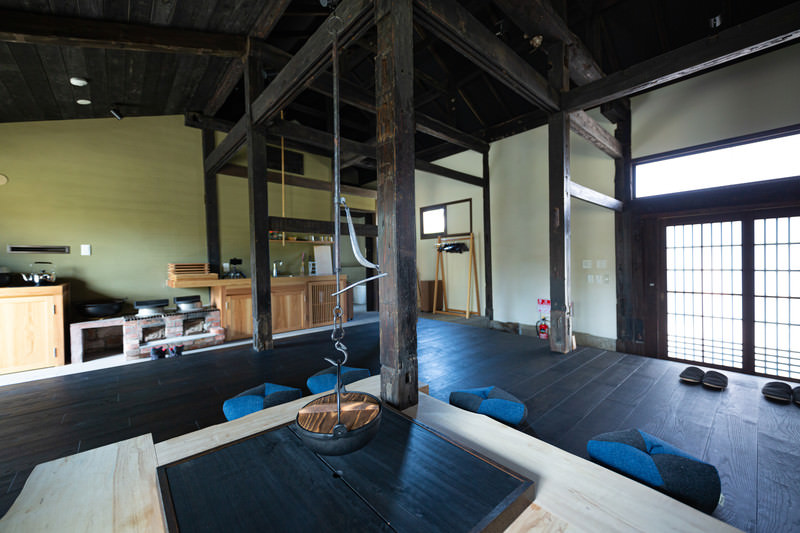
Minshuku are family-run guesthouses: tatami rooms, futons, shared baths, and home-cooked meals from local ingredients. This is the warm, lived-in side of Japan no hotel can sell you, and it’s where you really land in a place. They shine in the countryside and on the islands rather than in city centers.
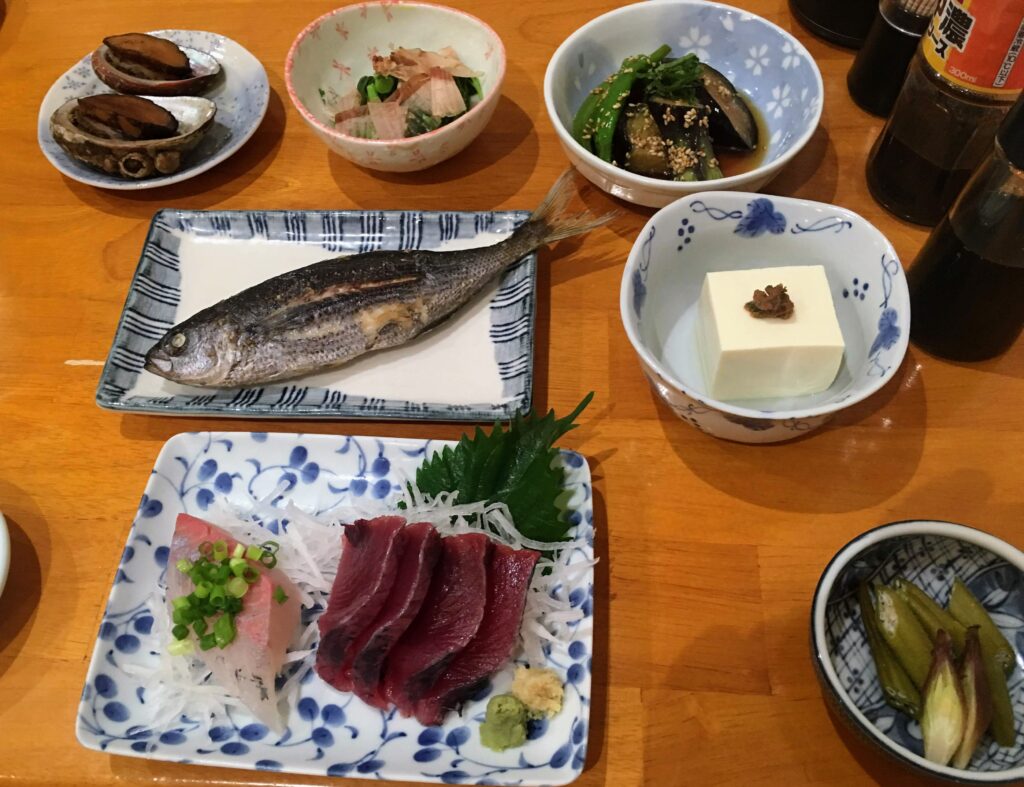
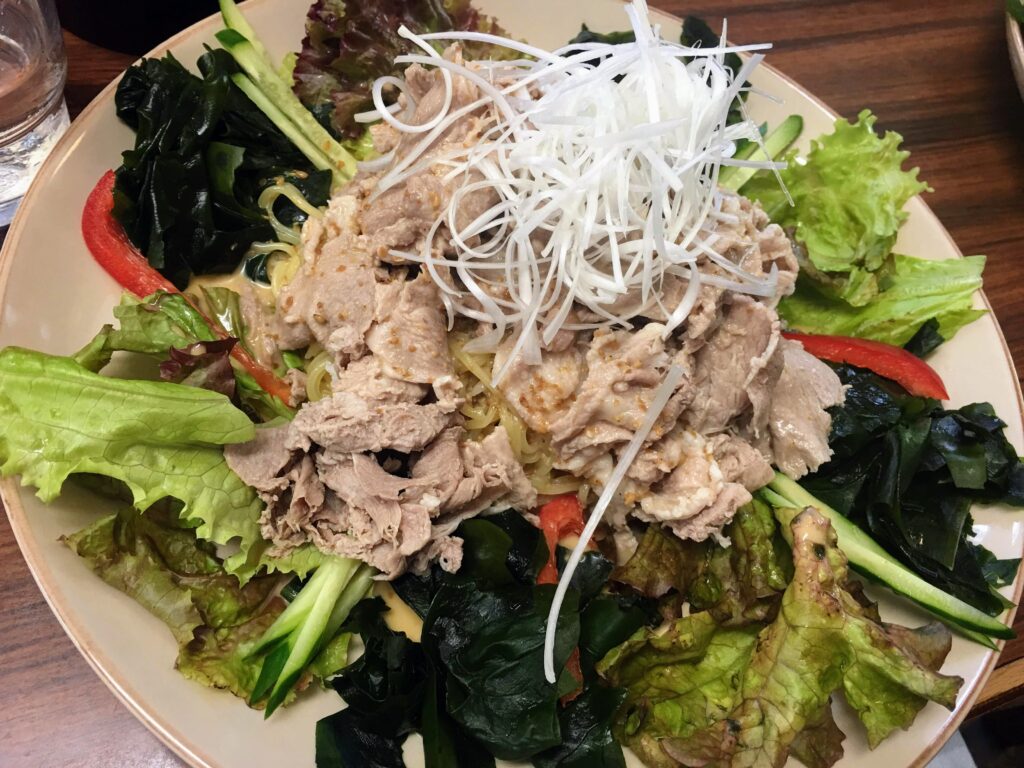
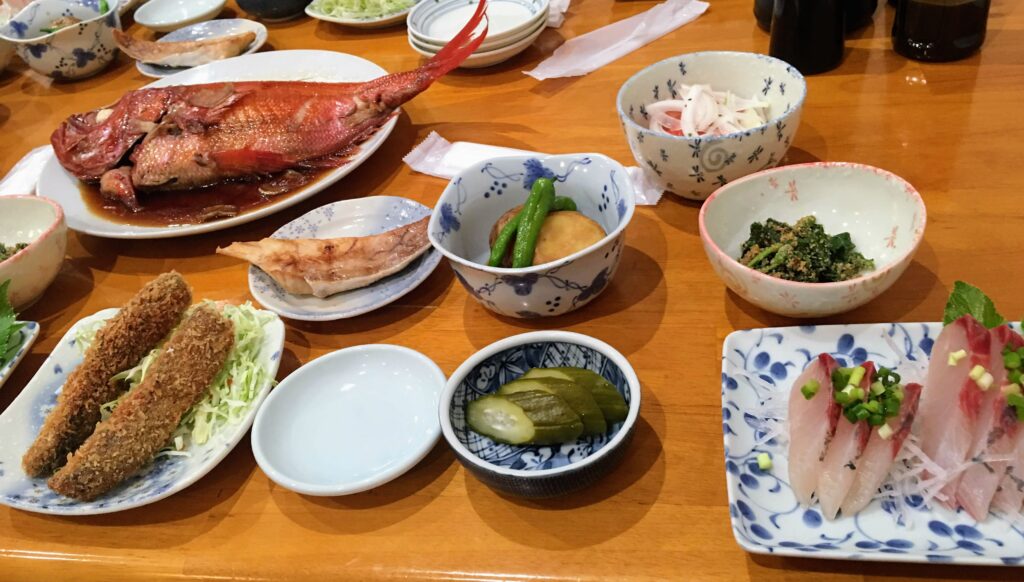
The catch: limited privacy, basic plumbing, and a lot of host interaction, which is the point but won’t suit everyone. Best for: travelers who want everyday rural Japan over a polished hotel. (My own favorite stay anywhere in the country was an island minshuku, and I’ve written about it in the cost guide.)
Love Hotels — from ¥5,000/room/night
An underrated budget option for couples. Love hotels charge per room, not per person, so two people often get a spacious room with a big bathtub for less than two business-hotel singles. Check-in is discreet and usually automated. You’ll spot them by the flashy signage, tucked slightly away from stations and schools by law.
The catch: no concierge or room service, adult-oriented themes, and not suitable for families. Many sell cheaper multi-hour “rest” blocks before they offer the overnight “stay” rate, so book the stay rate if you want the room till morning. Best for: couples who want space and privacy on the cheap.
Budget-Friendly Areas in Tokyo, Kyoto & Osaka
Picking the right neighborhood is half the battle. Stay one or two stops off the famous districts and you’ll often pay 20–40% less for the same quality, while still being a short ride from everything. Here are the areas locals actually point budget travelers toward.
Tokyo
Morishita & Kiyosumi (Koto Ward)
A quiet, old-Tokyo pocket that was an inn district back in the Edo period and still runs cheap. You get budget business hotels, calm streets, and surprisingly good reach: Shinjuku in about 17 minutes on the Toei Shinjuku Line, Roppongi in 20 on the Oedo Line, Shibuya in 24 via the Hanzomon Line. The trade-off is that the far west (Ikebukuro, Kichijoji) takes a bit longer.
Kamata (Ota Ward)
The smart pick if you’re flying in or out of Haneda, which is just 4 minutes away on the Keikyu Line. Kamata is stacked with affordable chains (APA, Mystays) and family-run hotels, plus an underrated food scene. Tokyo Station is 21 minutes, Yokohama only 17, so it doubles as a base for Kanagawa. Less ideal if you’ll spend most of your time around Shinjuku and the west side.
Ueno & Asakusa (Taito Ward)
The classic budget district, full of old-Tokyo atmosphere, temples, and markets, plus the widest range of cheap stays in the city, from old-school inns to capsule spots like Sauna & Capsule Hotel Hokutetsu. Ueno is the easiest base if you’re arriving from Narita (direct on the Keisei Skyliner), and the Yamanote and Ginza lines put Akihabara, Ginza, and Shibuya within quick reach.
Kyoto
Around Kyoto Station
The single most practical budget base in Kyoto. The blocks around the station, especially the Hachijo (south) side, are packed with business hotels and hostels at walkable distances, and the station is your hub for the whole region: the airport bus, the shinkansen to Osaka, and buses to the temples all leave from here. Not the most atmospheric area, but unbeatable for convenience and price.
Shijo-Kawaramachi & Sanjo (Central Kyoto)
Kyoto’s lively downtown, full of shops, restaurants, and the Nishiki Market, and walkable to Gion and the Kamo River. Rooms cost a little more than near the station, but you save on transport and late-night taxis because you’re already in the middle of it. Good for first-timers who want to be where the action is.
Higashiyama Fringe & Kujo (South of the Station)
For a quieter, cheaper stay, look just south of Kyoto Station around Kujo and Toji, or the lower edge of the Higashiyama temple district. You’re a short bus or subway ride from the big sights but paying noticeably less, and mornings are calm, which is a relief in a city as busy as Kyoto has become.
Osaka
Shin-Imamiya & Nishinari
Osaka’s cheapest beds, full stop. This area around Shin-Imamiya Station has the city’s most affordable hostels and capsule hotels, and it’s a quick hop to Namba and a direct line to Kansai Airport. I’ll be honest with you: it’s a rough-edged neighborhood with visible homelessness and a few places that keep curfews, so it suits independent travelers and backpackers who don’t mind that character. If that’s not you, pick one of the areas below.
Juso
A slightly gritty, very local pocket just north of Umeda, mixing budget hotels with old-school love hotels and standing bars. It’s two minutes from the Umeda hub by train and far cheaper than staying in Umeda itself, which makes it a savvy choice if you want nightlife and value over polish.
Namba & Umeda
If you’d rather pay a bit more to be central, these are Osaka’s two anchors: Namba for Dotonbori and the food-and-nightlife scene, Umeda for transport and shopping. Both have plenty of budget hotels, hostels, and capsules mixed in among the bigger names, so you can stay in the thick of it without going fully upmarket.
Quick Comparison
| Type | Best For | Price / Night | Key Features |
|---|---|---|---|
| Business Hotels | First night, solo travelers | ¥5,000–¥15,000 | Compact, private, by the station |
| Capsule Hotels | Solo, short stays | ¥3,000–¥6,000 | Pod beds, shared baths, no pod lock |
| Hostels | Social, budget-minded | ¥1,500–¥6,000 (dorm) | Communal spaces, dorms, women-only rooms |
| Minshuku | Cultural travelers, families | ¥5,000–¥20,000 | Tatami, local meals, family-run |
| Love Hotels | Couples | ¥5,000+ per room | Spacious, private, charged per room |
Splurging for a night or two as a treat? See our companion guide to the Best Hotels & Ryokans in Tokyo, Kyoto, and Osaka. Mixing one memorable ryokan night into an otherwise budget trip is, honestly, the move.
Insider Ways to Cut Your Accommodation Bill
A few moves locals use that the booking sites won’t tell you about:
- Use a night bus to skip a hotel night. A highway bus between, say, Tokyo and Osaka runs roughly ¥3,000–¥8,000 and gets you there by morning. You save the train fare and a night’s room, which is why budget travelers swear by them.
- Know about manga cafés. An internet/manga café (manga kissa) with a reclining seat or a flat booth, free drinks, and a shower runs about ¥1,500–¥3,000 for an overnight pack. It’s not a real bed, but it’s a genuine lifesaver if you miss the last train or need one ultra-cheap night.
- Stay a stop outside and day-trip in. For Kyoto especially, basing yourself in Osaka (15 minutes by shinkansen, or 40 by regular train) can be cheaper than a Kyoto room in peak season, with the bonus of two cities for one base.
- Look at weekly and monthly rates. Staying two weeks or more? Weekly mansions and monthly apartments often beat any nightly hotel rate, and you get a kitchen and laundry to cut food costs too.
- Let the hotel’s freebies do double duty. Free breakfast covers a meal, coin laundry lets you pack light and skip a bigger suitcase fee, and a station-side location saves on taxis. Small things, but they add up over a trip.
Frequently Asked Questions
What’s the cheapest type of accommodation in Japan?
Hostel dorm beds are the cheapest, from around ¥1,500–¥6,000 a night. Capsule hotels (¥3,000–¥6,000) are the next step up and give you a bit more privacy. Both are easy to find near major stations in Tokyo, Kyoto, and Osaka.
Can women stay in capsule hotels?
Yes. Most capsule hotels have women-only floors with separate access, and some are women-only entirely. A few older properties are still men-only, so check the listing before you book. Hostels likewise offer women-only dorms if you’d prefer one.
Do I need to book in advance, or can I just turn up?
Book ahead, especially in spring and autumn, when budget rooms in the big cities sell out and walk-in rates are high. Off-peak and midweek you can often find something same-day, but reserving even a day or two out almost always costs less and saves you hauling luggage around looking.
Are budget hotels in Japan family-friendly?
Many are. Business hotels often have twin or triple rooms and roll-in beds for kids, and minshuku are very welcoming to families. Capsule hotels and hostel dorms are less suited to young children, and love hotels aren’t appropriate for families at all.
Which booking site is cheapest for Japan?
There’s no single winner, which is why comparing pays off. Agoda is often strong on Japanese properties, Booking.com has wide coverage, and Rakuten Travel can beat both on domestic chains. Check two or three for your exact dates before you commit.
Final Thoughts
Staying in Japan on a budget isn’t about roughing it. Pick the right type of place for each leg of your trip, base yourself a stop or two off the headline districts, and book before prices climb, and you’ll sleep clean, safe, and central for a fraction of what people assume Japan costs. Then put what you saved toward one splurge night you’ll still be talking about a year later.
Planning the rest of your trip? Our guide to planning a trip to Japan covers itineraries and timing, and Japan Trip Cost in 2026 breaks down the full budget.

3 thoughts on “Japan on a Budget: Affordable Hotels in Tokyo, Kyoto & Osaka (2026)”