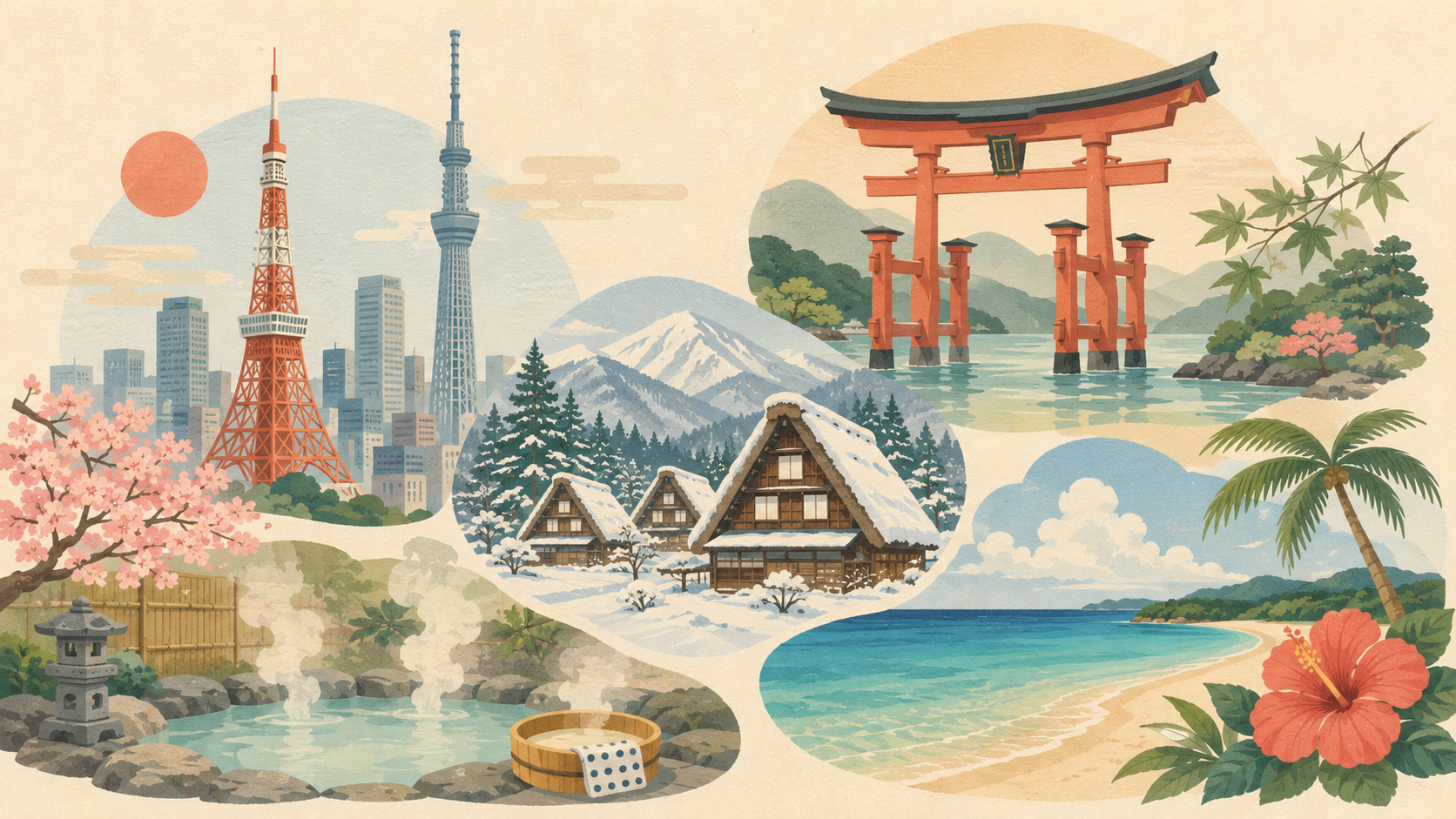
Japan packs an astonishing range into one country: neon megacities, thousand-year-old temples, snow-buried villages, volcanic hot springs, and tropical reefs. The trick to a great trip is matching the region to what you want. This guide runs through the highlights area by area, from Hokkaido in the north to Okinawa in the south, so you can build a route that actually fits your trip.
Already know roughly where you’re headed? Pair this with our 2-week itineraries and trip-planning guide.
Japan’s Regions at a Glance
Japan stretches about 3,000 km from north to south, so the climate and scenery shift dramatically along the way. The country covers roughly 378,000 km² — about 1.5 times the size of the UK — across four main islands. Here’s the quick orientation:
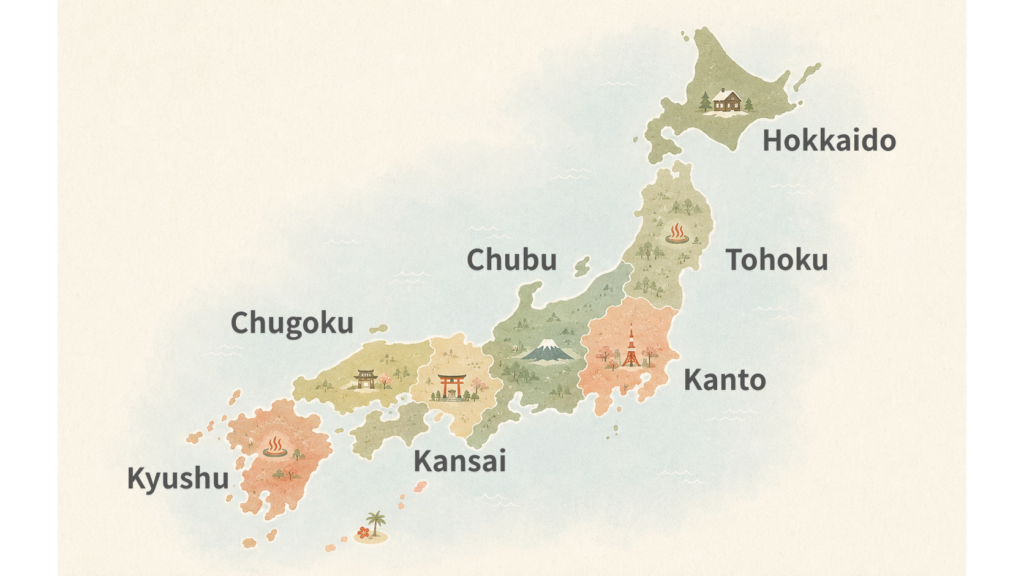
- Hokkaido (north): snow, skiing, wide-open nature, and seafood.
- Tohoku (northeast): off-the-beaten-path nature, history, and quiet.
- Kanto (Tokyo): the big city, plus easy day trips to shrines and hot springs.
- Chubu: Mount Fuji and the mountain towns of the Alps.
- Kansai (Kyoto, Osaka, Nara): tradition, temples, and Japan’s best food scene.
- Chugoku: Hiroshima and the art islands of the Seto Inland Sea.
- Kyushu (southwest): onsen towns, volcanoes, and great food.
- Okinawa (far south): subtropical beaches and Ryukyu culture.
Kanto: Tokyo and Around
Anchored by Tokyo, Kanto mixes modern energy with historic shrines and mountain retreats, all within easy reach of the capital.
Tokyo
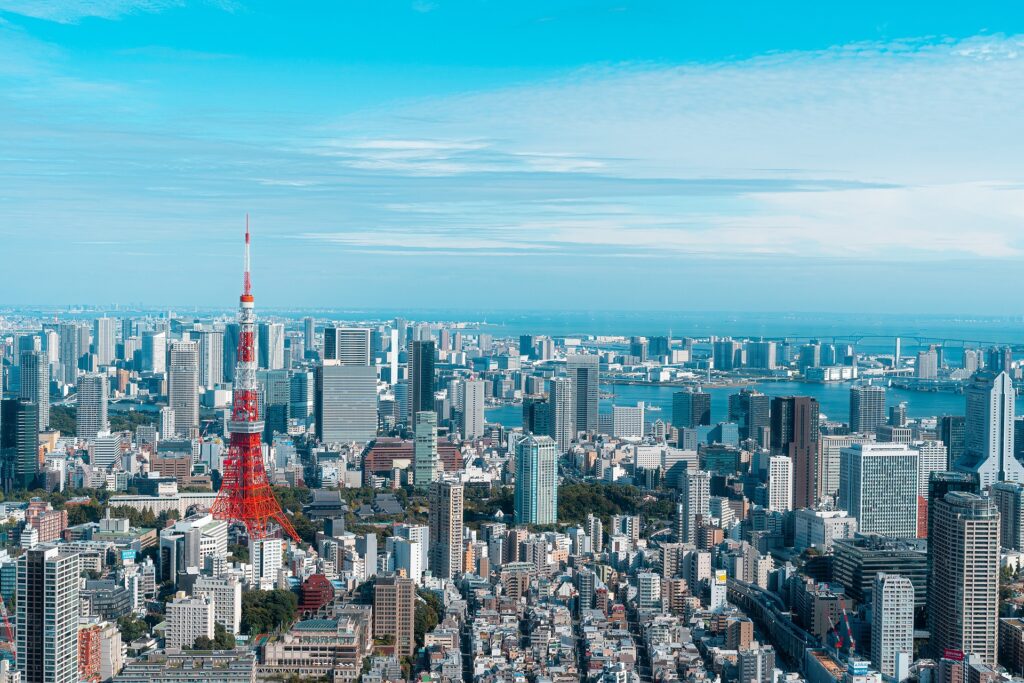
The capital is the world’s most populous metro area (around 37 million people), yet it stays remarkably clean and orderly. Old and new sit side by side.
- Shibuya Crossing: the world’s busiest pedestrian scramble.
- Senso-ji: Tokyo’s oldest temple, in old-town Asakusa.
- Tokyo Skytree: the tallest tower in Japan, with sweeping city views.
Yokohama
Just south of Tokyo and an easy day trip: a breezy waterfront, the Minato Mirai district and its Ferris wheel, Japan’s largest Chinatown, and the genuinely fun Cup Noodles Museum.
Nikko
A mountain town of shrines and waterfalls. The UNESCO-listed Toshogu Shrine is a riot of carving and color, and nearby Kegon Falls and Lake Chuzenji are gorgeous, especially in autumn.
Hakone
The classic hot-spring escape from Tokyo, with Mount Fuji views on a clear day. Cruise Lake Ashi, ride up to the volcanic Owakudani valley for the life-extending black eggs, and break up the day at the Hakone Open-Air Museum. A regional pass like the Hakone Free Pass covers the area’s quirky trains, cable cars, and boats.
Another easy Kanto day trip is Kamakura, a relaxed seaside town of temples and its own Great Buddha, an hour from Tokyo.
Kansai: Kyoto, Osaka and Nara
The cultural heart of Japan, and its best eating. Three very different cities sit within 45 minutes of each other.
Kyoto
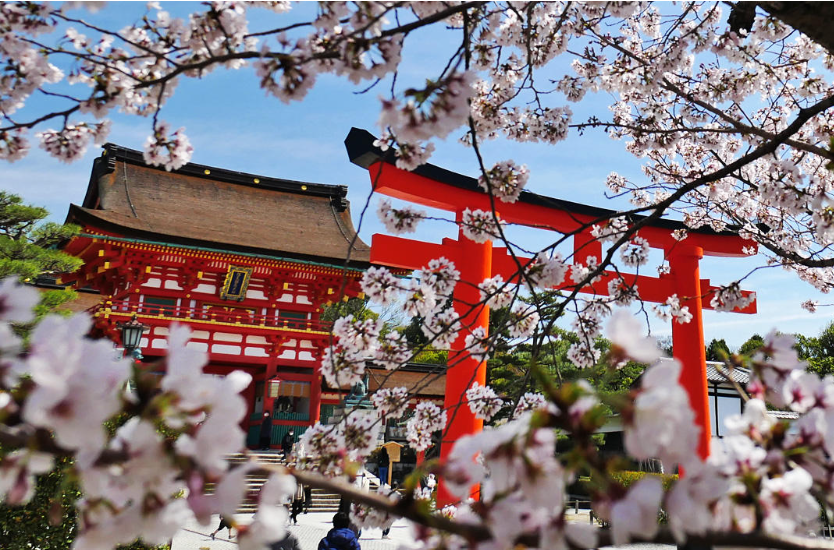
Japan’s capital for over 1,000 years, with 17 UNESCO World Heritage Sites. This is where traditional Japan still feels alive.
- Fushimi Inari: thousands of vermilion torii gates winding up the hillside.
- Kinkaku-ji: the gold-leaf Golden Pavilion above a still pond.
- Gion: the historic geisha quarter of teahouses and lantern-lit lanes.
Osaka
“Japan’s Kitchen” — louder, friendlier, and all about food. Eat your way through neon-lit Dotonbori (takoyaki and okonomiyaki are non-negotiable), see Osaka Castle, and spend a day at Universal Studios Japan.
Nara
Japan’s first permanent capital, an easy day trip from Kyoto or Osaka. See Todai-ji’s giant bronze Buddha and meet the bowing (and occasionally pushy) deer of Nara Park, plus the lantern-lined paths of Kasuga Taisha.
Beyond the big three, Himeji has Japan’s most magnificent original castle, a brilliant-white UNESCO landmark, and Kobe is worth a stop for its harbor, mountains, and famous beef.
Chubu: Mount Fuji and the Alps
Central Japan holds the country’s most iconic mountain and some of its most atmospheric old towns — magical under winter snow.
Mount Fuji
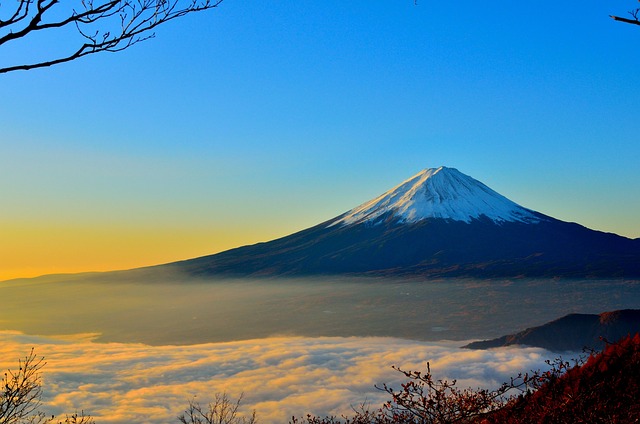
At 3,776 m, Japan’s tallest peak and a UNESCO World Heritage Site. For the postcard shots, head to Lake Kawaguchi or the Chureito Pagoda, which frames Fuji beautifully in cherry-blossom season.
Shirakawa-go
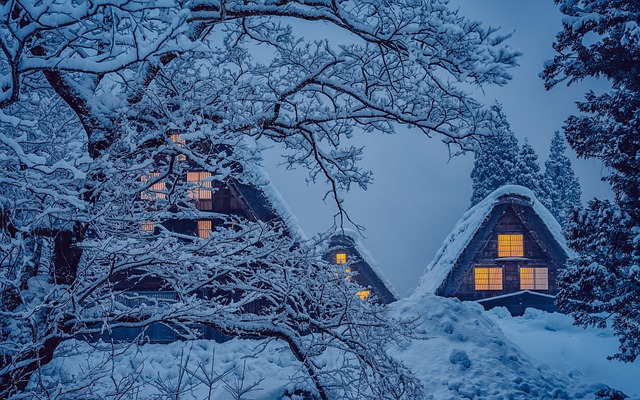
A UNESCO-listed village of gassho-zukuri farmhouses, their steep thatched roofs shaped like hands in prayer to shed heavy snow. Step inside the preserved Wada House, and if you can, come for the winter illuminations, when the snowy rooftops glow.
Takayama
Nicknamed “Little Kyoto,” Takayama preserves a whole Edo-era streetscape of merchant houses and sake breweries in the Sanmachi Suji district. Time your visit for the spring or autumn Takayama Festival and its ornate floats.
Nearby Kanazawa rounds out the region with Kenrokuen, one of Japan’s three great landscape gardens, and a beautifully preserved geisha district.
Hokkaido: Snow, Nature and Seafood
Japan’s northern island is a paradise for nature and winter sports, with some of the world’s best powder and famously fresh seafood.
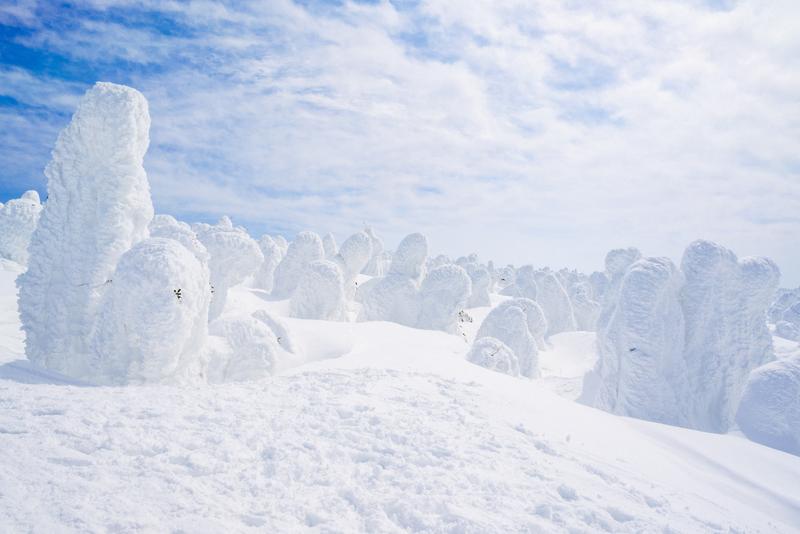
Sapporo
The island’s capital, best known for the February Sapporo Snow Festival and its giant ice sculptures in Odori Park. Don’t leave without a bowl of the city’s signature miso ramen and a stop at the Sapporo Beer Museum.
Niseko
One of the world’s great ski destinations, about two hours from Sapporo, famous for light, dry powder. The four linked resorts of Niseko United suit every level, and there’s a hot spring waiting after a day on the slopes. In summer it turns to hiking, rafting, and views of “Ezo Fuji” (Mount Yotei).
In the warmer months, don’t miss the patchwork lavender fields of Furano and Biei, and the pretty canal town of Otaru near Sapporo.
Kyushu: Onsen, Food and Volcanoes
The southwestern island is one of my favorite corners of Japan: big, friendly cities, volcanic hot springs, and some of the best food in the country, with far fewer tourists than the Golden Route. It’s the finish of the west-bound route in our 2-week itineraries.
Fukuoka
Kyushu’s largest city and one of the most livable in Japan — compact, green, and serious about food. Eat Hakata ramen at the riverside yatai stalls, relax in Ohori Park, and take the short trip to Dazaifu Tenmangu shrine.
Beppu
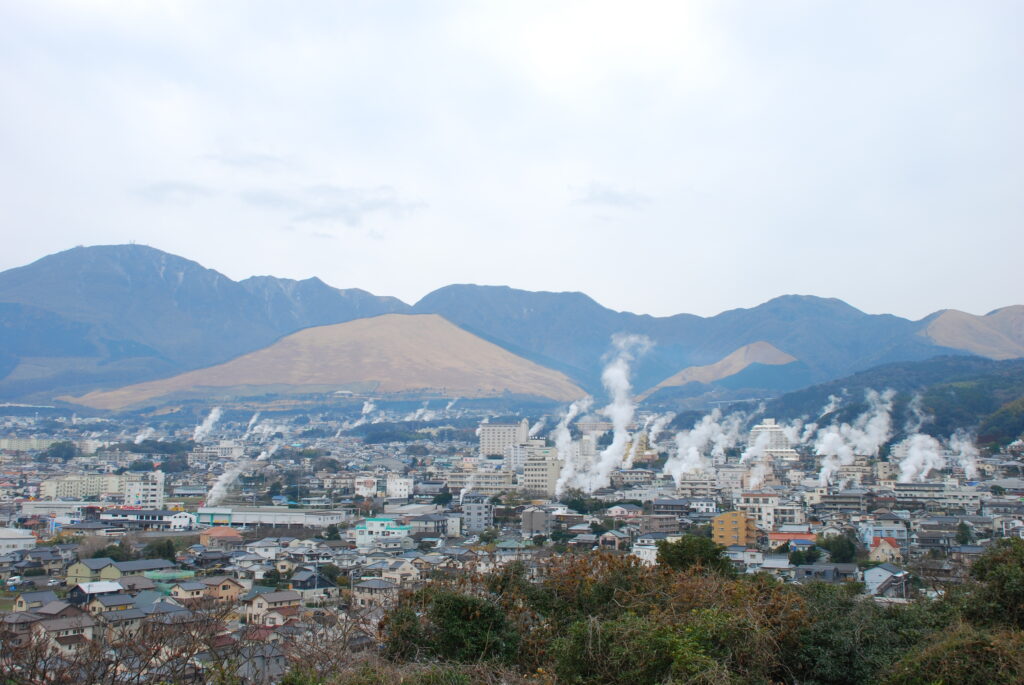
The onsen capital of Japan, with more hot-spring water than anywhere on earth except Yellowstone. Tour the colorful “hells” (jigoku), get buried in a warm sand bath, and stay at a ryokan with its own private bath.
Nagasaki
A port city with a uniquely international history as Japan’s window to the world during its centuries of isolation. Visit the moving Atomic Bomb Museum and Peace Park, the hillside Glover Garden, and ride the ropeway up Mount Inasa for one of Japan’s best night views.
With more time in Kyushu, Kumamoto‘s mighty castle and the ancient cedar forests of Yakushima — a UNESCO World Heritage island said to have inspired Princess Mononoke — are well worth the journey.
Chugoku: Hiroshima and the Art Islands
Hiroshima
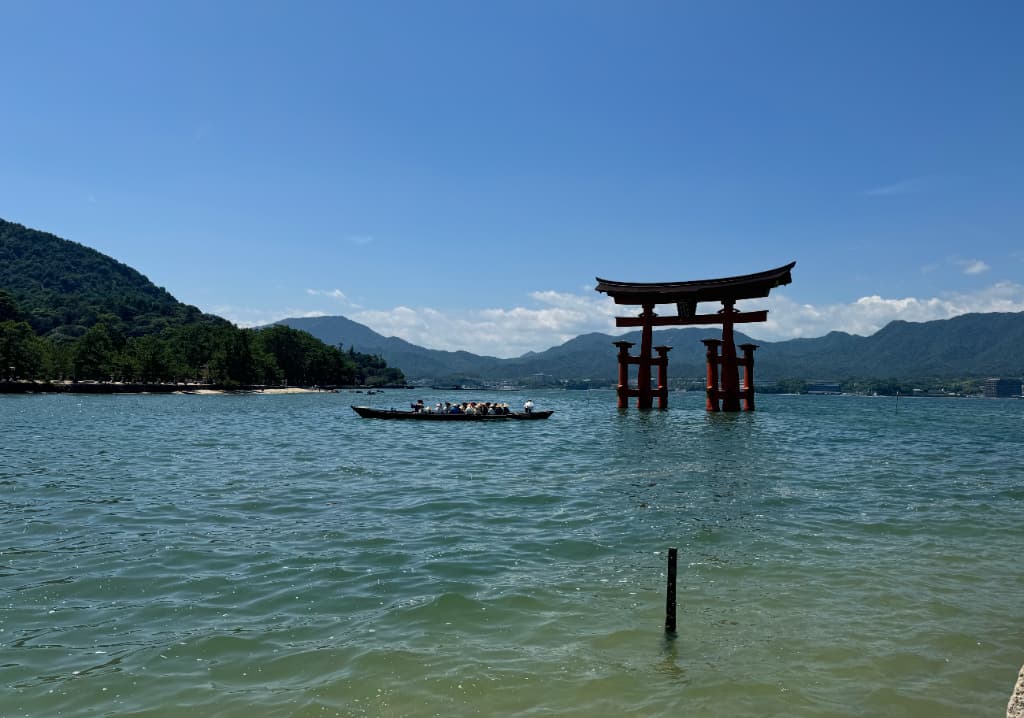
A city defined by its history and its message of peace. The Peace Memorial Park and Museum are essential and moving, and a short ferry away on Miyajima, the “floating” Itsukushima torii gate is one of Japan’s iconic sights, with hiking up Mount Misen behind it.
Naoshima
Japan’s “art island” in the Seto Inland Sea, where contemporary art and architecture meet the sea. Don’t miss the Chichu Art Museum (Monet and James Turrell in a Tadao Ando building) and Yayoi Kusama’s polka-dot pumpkin on the pier.
Onomichi
A hilly port town known as the “City of Slopes.” It’s the mainland start of the Shimanami Kaido, a world-famous cycling route that hops island to island across the Inland Sea to Shikoku, plus a temple walk through 25 historic temples.
Tohoku: Japan Off the Beaten Path
The northeast is Japan’s quiet side — unspoiled nature, deep history, and warm hospitality, with a fraction of the crowds. Worth the extra effort if you’ve seen the headline sights before.
- Chuson-ji: a UNESCO temple in Hiraizumi whose Golden Hall is covered entirely in gold leaf.
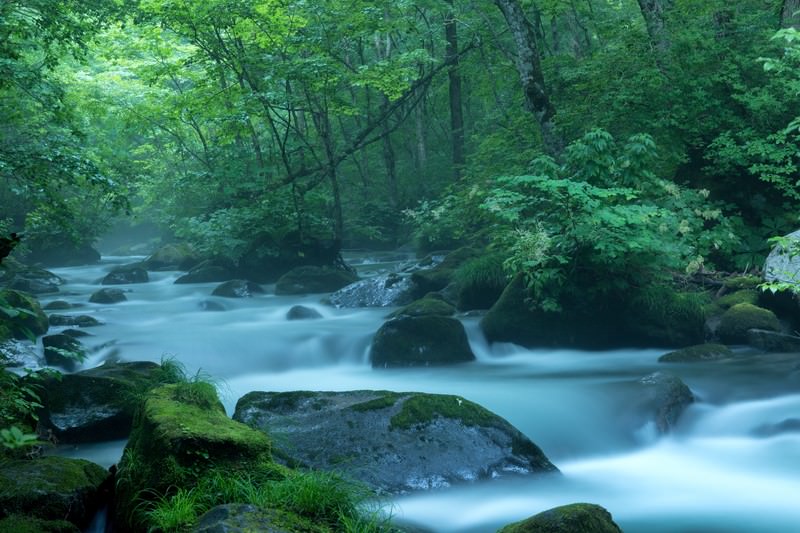
- Oirase Gorge: a 14 km trail of mossy rocks, waterfalls, and clear streams in Aomori, stunning in autumn.
- Aizu-Wakamatsu: the “Samurai City,” with Tsuruga Castle and the preserved Edo post town of Ouchi-juku nearby.
Okinawa: Tropical Beaches and Ryukyu Culture
Japan’s subtropical far south feels like another country — coral reefs, white-sand beaches, and the distinct culture of the former Ryukyu Kingdom, shaped by centuries of trade with China and Southeast Asia.
Naha
Okinawa’s capital and gateway. Stroll the crafts and food of Kokusai Street, and visit Shurijo Castle, the symbol of the Ryukyu Kingdom. Its main hall was destroyed by fire in 2019 and is being rebuilt — the restored Seiden is set to reopen in November 2026, and right now you can actually watch the reconstruction up close.
The Outer Islands
For the real Okinawa, fly out to the smaller islands:
- Ishigaki: emerald Kabira Bay and world-class snorkeling and diving on the reefs.
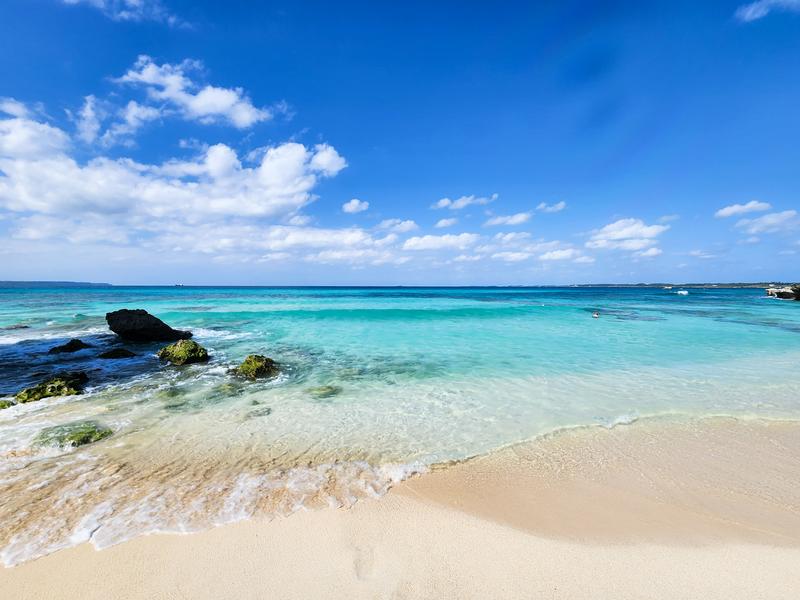
- Miyako: Yonaha Maehama, often called Japan’s best beach, and the scenic Irabu Ohashi bridge.
- Zamami: the famously clear “Kerama Blue” waters, great for snorkeling and winter whale watching.
Plan Your Trip
Spring and autumn bring the best all-round weather and scenery (and the biggest crowds); winter is for snow and onsen, summer for Hokkaido and festivals. Once you’ve picked your regions, the rest of the cluster has you covered:
- When to go: our seasonal guide.
- Ready-made routes: three 2-week itineraries, plus how to plan it all.
- Budget: a full cost breakdown.
- Where to stay: top hotels and ryokans or budget stays; check rates on Agoda.
- Stay connected: an eSIM or pocket Wi-Fi from the airport.
Frequently Asked Questions
How many regions can I see on a first trip?
For a week, stick to one or two (usually Kanto and Kansai). With two weeks you can comfortably add a third, like Chugoku or Kyushu. Trying to see all of Japan in one trip means spending it on trains — pick a region or two and go deep.
Which regions are best for first-timers?
Kanto (Tokyo) and Kansai (Kyoto, Osaka, Nara) cover the classic highlights and are the easiest to travel. Add Chugoku for Hiroshima, or head to Kyushu for onsen and fewer crowds.
Where should I go for an off-the-beaten-path trip?
Tohoku in the northeast and the islands of Kyushu and the Seto Inland Sea (Naoshima, Onomichi) give you the quieter, deeper side of Japan. They’re best once you’ve seen the headline cities.
When is the best time to visit Okinawa?
Spring and early summer (March–June) and autumn (October–November) are ideal — warm seas and lower typhoon risk than the August–September peak. Okinawa stays mild even in winter.
Do I need a car to explore the regions?
Rarely for the cities — the trains are superb. But a rental car helps in rural Tohoku, Hokkaido, and the Okinawan islands, where public transport thins out.
Final Thoughts
From Tokyo’s energy to Shirakawa-go’s snowy roofs, Beppu’s steam, and Okinawa’s reefs, Japan rewards travelers who choose a region and dig in rather than racing to tick boxes. Pick the corner that calls to you, and let the rest of your trip build out from there.

6 thoughts on “Best Places to Visit in Japan by Region (2026)”