If you live in Japan and want to drive, you’ll eventually need a Japanese driver’s license. How you get there splits cleanly into two situations. If you already hold a valid foreign license, you usually don’t start from zero — you convert it through a process called gaimen kirikae, which we cover step by step in our guide to converting a foreign license. If you don’t have a license (or you’re from a country that has to take the full tests anyway), you get a Japanese license from scratch — and that’s what this guide is about, along with renewals and the everyday essentials every driver here needs.
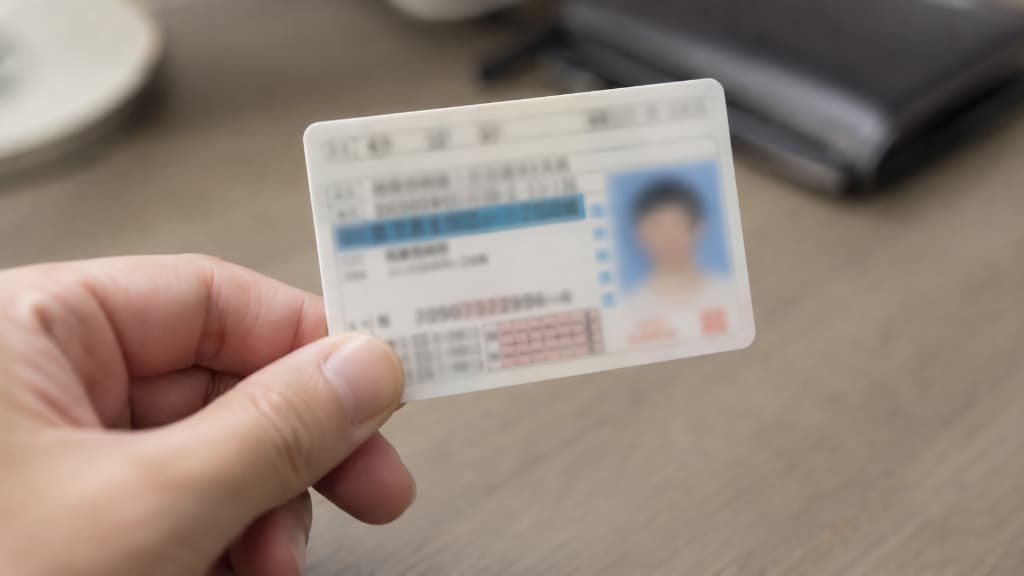
One thing first, because it genuinely matters: driving without a valid license is a criminal offense in Japan, not a slap-on-the-wrist traffic matter. In some countries it’s quietly overlooked; here it can mean arrest, and for a foreign resident that can spiral into losing your visa and being deported with a re-entry ban. We’ve seen ordinary people with no bad intent get caught out by this. So whichever path you’re on, sort your license out properly — and if you’re curious how a brush with the law affects your status, see how an arrest affects your visa status.
Do you actually need a license — or a car?
Whether you need to drive at all depends heavily on where you live. In a big metropolis like Tokyo or Osaka, the trains and buses are so good that a car is more hassle than help — parking alone is expensive and scarce. In regional cities like Fukuoka, Kyoto, Hiroshima, Nagoya, Yokohama, Sendai, or Sapporo, you can get by comfortably without one too, though a car earns its keep the moment you want to explore the countryside on weekends. Out in smaller towns and rural areas, a car shifts from “nice to have” to “you’ll struggle without it.”
Here’s an honest take from our household: my husband and I both hold Japanese licenses, but we don’t own a car. Rental cars and car-share (services like Times Car) cover the handful of trips a year we actually need wheels for, and that works out far cheaper than owning, insuring, parking, and shaken-inspecting a car we’d barely use. So before you assume you need to buy, read our guide to buying a car in Japan — you may not need to.
That said, getting the license is worth it even if you skip the car. You can’t rent a car or use car-share without one, and the license doubles as Japan’s most widely accepted photo ID (more on that below).
The three ways to legally drive in Japan
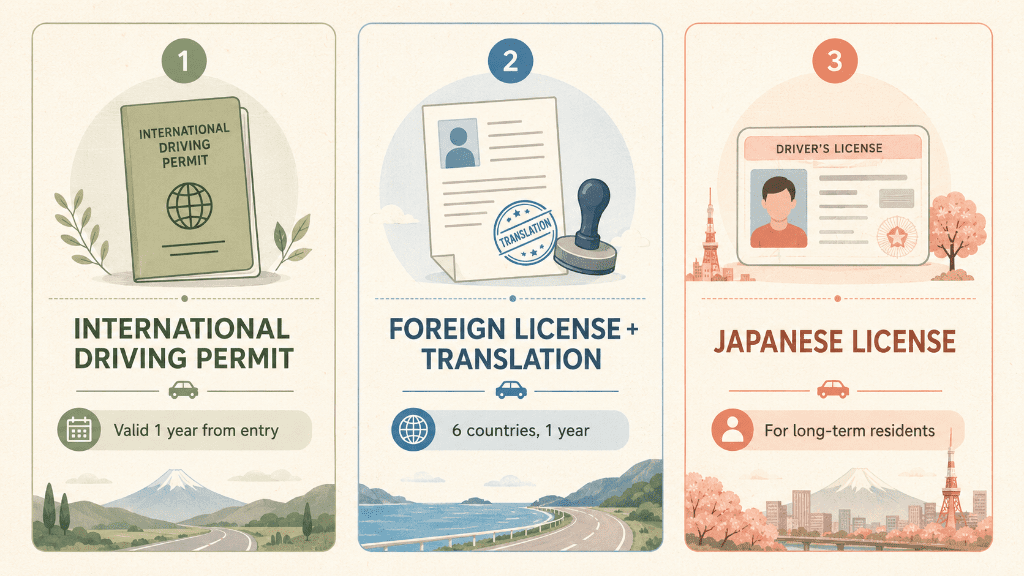
At a glance, there are three legal ways to be behind the wheel here:
| Method | Who it’s for | How long it’s valid |
|---|---|---|
| International Driving Permit (IDP) | Visitors & new arrivals from Geneva Convention countries | 1 year from your date of entry |
| Foreign license + official translation | Switzerland, Germany, France, Belgium, Monaco, Taiwan | 1 year from your date of entry |
| Japanese driver’s license | Residents staying long-term | 3–5 years (renewable) |
The IDP and translation options are great for your first year, but they’re a bridge, not a destination — you can’t renew an IDP from inside Japan, and once your year runs out, a resident needs a proper Japanese license. If you already hold a foreign license, converting it is almost always faster and cheaper than starting over at a driving school. That conversion process (and the stricter rules that came in on October 1, 2025, which mean tourists can no longer convert) is its own topic — see our full guide to converting a foreign driver’s license. The rest of this article assumes you’re getting a Japanese license from scratch.
Getting a Japanese license from scratch
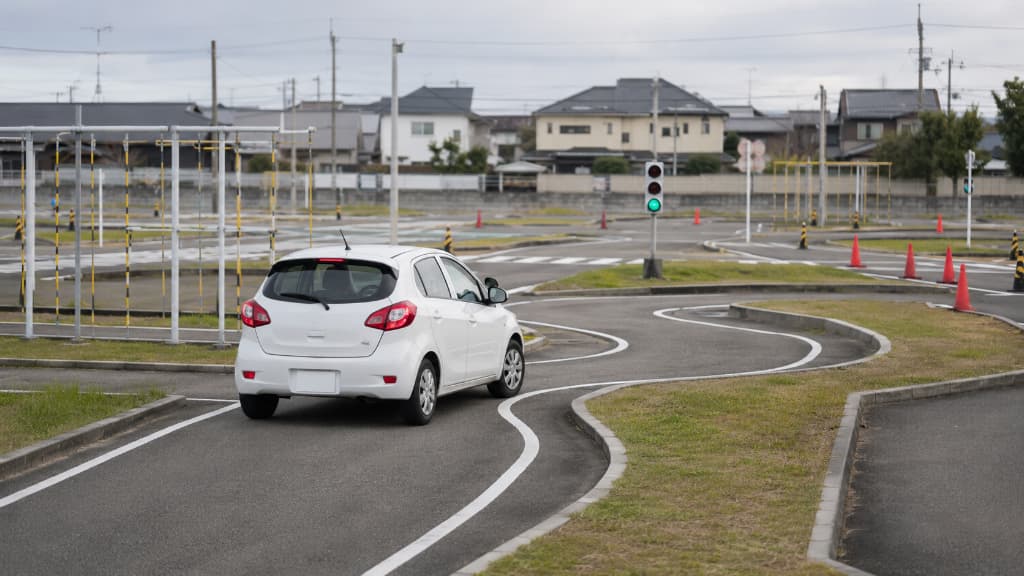
This is the route if you’ve never held a license, or if your country isn’t on the conversion-exemption list and would have to sit the full tests anyway. To get a license, you ultimately have to pass two things at a driver’s licensing center (運転免許試験場): a knowledge test (学科) on traffic law and a practical driving test (技能). Passing the practical test “cold,” with no preparation in Japanese road conventions, is genuinely tough — which is why almost everyone takes one well-trodden shortcut.
Go through a driving school (most people do)
A government-accredited driving school (教習所, kyōshūjo) walks you through the whole thing: classroom lessons on traffic law plus supervised driving practice. The big payoff is that graduating from an accredited school exempts you from the practical driving test at the licensing center — you only need to pass the knowledge test there. For most learners that’s the difference between passing and endless repeat visits.
The typical path looks like this:
- Enroll and complete the first stage of classroom and on-course lessons.
- Pass the provisional learner’s permit (仮免許, karimenkyo) — this lets you practise on real roads.
- Complete the second stage of road lessons and the school’s graduation driving exam.
- Take the knowledge test at the licensing center — pass, and your license is issued.
One choice to make up front: automatic (AT) or manual (MT). An AT-limited license is a little cheaper and quicker, and since the vast majority of cars (and all rentals and car-share vehicles) in Japan are automatic, AT is the sensible default unless you specifically need to drive a manual.
What it costs
Driving school is the biggest expense in the whole process — far more than the conversion route costs people who qualify for it. Rough figures for a standard car:
| Route | Typical cost | Notes |
|---|---|---|
| Commuting driving school (通学) | ¥250,000–350,000 | Go at your own pace over a few months |
| English-language driving school | ¥350,000–410,000 | Lessons & materials in English; mostly in/near Tokyo |
| Intensive camp (合宿免許) | ¥200,000–300,000 | ~2 weeks residential; often the cheapest option |
| Direct test at center (一発試験) | A few thousand yen per attempt | No school; very hard to pass first try |
Add small official fees on top — for example, the learner’s-permit application runs about ¥2,900. Prices swing with season and region (driving schools are pricey in spring when students flood in), so it pays to compare.
The intensive camp (gasshuku menkyo)
If you can clear about two weeks in your schedule, a residential driving camp (合宿免許, gasshuku menkyo) bundles lodging, meals, and a packed lesson schedule into one trip, usually in a quieter part of the country. It’s typically cheaper than commuting to a city school and gets you licensed in roughly 10–14 days — popular with students on break, less practical if you can’t take the time off work.
Studying in English
You’re not stuck doing all of this in Japanese. Some driving schools run lessons and provide materials in English — Koyama Driving School (Tokyo and Kanagawa) and a handful of English-focused schools in Tokyo are the usual names — and many licensing centers offer the knowledge test in multiple languages. English instruction costs more and isn’t available everywhere, so check what your prefecture and local schools actually support before you commit.
What the knowledge test covers
The knowledge test at the licensing center is multiple choice and focuses on Japanese traffic law, road signs, right-of-way, and safe-driving judgment. It’s not designed to trip you up, but it does assume you know the local rules — road markings and priority conventions differ from many countries. Most learners study with the materials from their driving school plus a mock-test app, and many centers offer the test in several languages. If English isn’t offered at your nearest center, it’s worth calling around your prefecture, as availability varies by location.
How long does the whole thing take?
At a commuting school you set the pace, so it depends on how often you book lessons — somewhere between one and three months is typical, longer if you can only go on weekends. An intensive camp compresses it into about two weeks. Either way, the final knowledge test at the licensing center is held on weekdays and may need to be booked, so leave a buffer rather than planning around a single available date. Going in early in the day helps, since the document and eyesight checks take time and queues build up.
Renewing your Japanese license
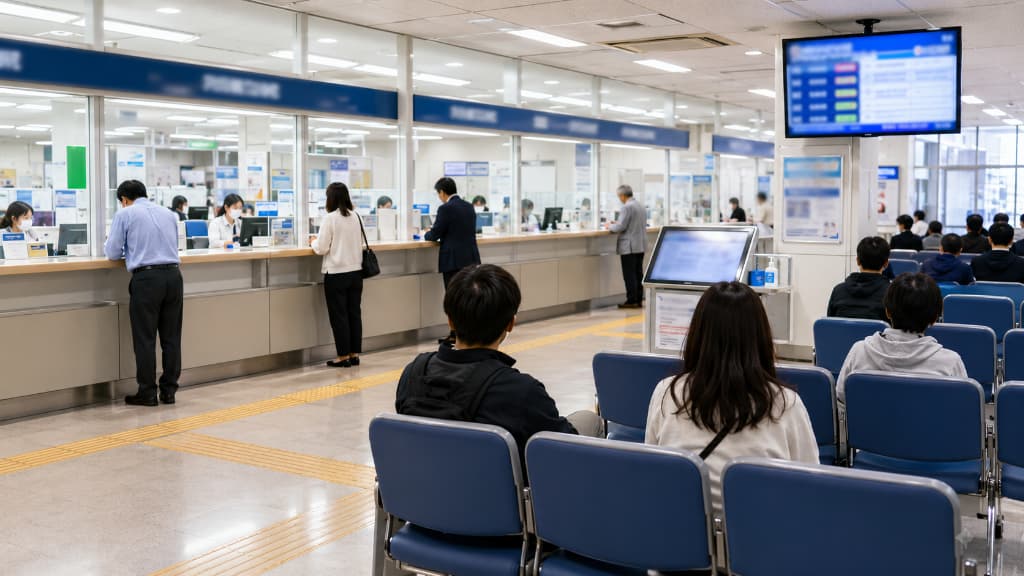
Japanese licenses are valid for 3 to 5 years depending on your driving record, with the expiry date printed on the card (it’s tied to your birthday). The colored band on the license tells you your status at a glance:
- Green — brand-new drivers, valid about 3 years.
- Blue — the standard band; 3–5 years.
- Gold — five years with a clean record. Gold drivers get a shorter renewal lecture and sometimes cheaper insurance.
To renew, visit a licensing center or designated police station in your prefecture within the renewal window (generally from about a month before your expiry date). The process — a short safety lecture, an eyesight test, a new photo, and the renewal fee — usually wraps up within an hour. The lecture length scales with your record, so gold-license holders are in and out fastest; in some prefectures, low-risk drivers can now even take the lecture online. Miss the deadline and your license lapses, which can mean re-testing, so set a reminder.
Your license is also your ID
In a country where carrying photo ID is the norm, a Japanese driver’s license is the most widely accepted one going — handy at banks, phone shops, and anywhere you need to prove who you are. Keep the details current: after you move, update the address on your license (you can usually do it at a police station with proof of your new address). For everything else that needs updating when you relocate, our moving checklist walks through the timeline. And, of course, carry your license whenever you drive.
Already hold a foreign license? Convert, don’t restart
Worth repeating because it saves people serious money: if you arrived with a valid license from your home country, you almost certainly shouldn’t pay for a from-scratch driving school. Instead you convert it via gaimen kirikae — for drivers from many countries that’s mostly paperwork and an eyesight check, while others sit a shortened knowledge and driving test. The rules tightened in October 2025 (a residence record is now required, so it’s residents-only), and exactly what you’ll face depends on which country issued your license. We lay it all out — the country exemptions, documents, costs, and how to pass the driving test — in our guide to converting a foreign driver’s license.
A few road realities for newcomers
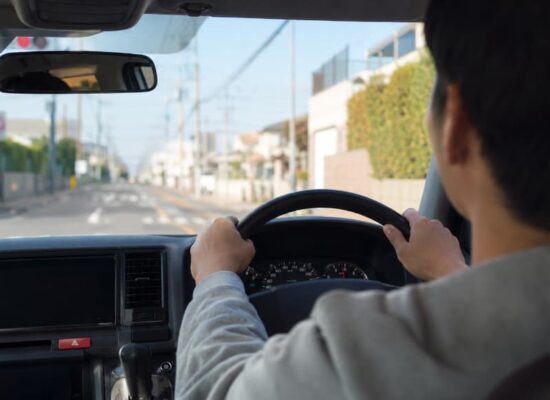
- Japan drives on the left, with the steering wheel on the right — a real adjustment if you’re used to the opposite.
- Insurance and inspection are non-negotiable. Every car needs mandatory jibaiseki insurance (voluntary insurance on top is strongly advised) and a periodic shaken roadworthiness inspection — budget for both; see our car-buying guide.
- After an accident, always call 110 (police), even for property-only damage — you’ll need the report for insurance. Call 119 for an ambulance if anyone is hurt; emergency ambulances are a free public service.
- Zero tolerance for drink-driving. Penalties are severe and extend to passengers and the person who supplied the alcohol. Don’t.
Frequently asked questions
Do I need a Japanese license if I’m already driving on an IDP?
An International Driving Permit (or an official translation, for the six places that use that route) lets you drive for one year from your date of entry. After that, residents must get a Japanese license — by converting a foreign one or by going through a driving school.
Can a foreigner get a Japanese license from scratch?
Yes. You enroll in a driving school, pass the provisional learner’s permit and the school’s graduation exam, then pass the knowledge test at a licensing center. Some schools teach in English, and many centers offer the knowledge test in multiple languages.
How much does driving school cost in Japan?
Roughly ¥250,000–350,000 at a commuting school for a standard car, often less at a residential intensive camp, and more (around ¥350,000–410,000) for English-language instruction. Prices rise in the busy spring season.
I already have a foreign license — do I need driving school?
Usually not. If you hold a valid foreign license you convert it (gaimen kirikae) instead, which is far cheaper than school. See our foreign-license conversion guide for who’s exempt from the tests.
How do I renew my Japanese license?
Visit a licensing center or police station in your prefecture within the renewal window (about a month before expiry). You’ll do a short lecture, an eyesight test, a photo, and pay the fee — usually under an hour.
Key takeaways
- Driving without a valid license is a criminal offense here — for residents it can threaten your visa, so get licensed properly.
- For your first year you can drive on a Geneva IDP (or an official translation, for six specific places); long-term residents need a Japanese license.
- No foreign license to convert? Go through a driving school (~¥250,000–350,000), pass the learner’s permit and graduation exam, then the knowledge test. An intensive camp can be cheaper; AT-limited is the sensible default.
- Already hold a foreign license? Convert it via gaimen kirikae instead — see our dedicated guide.
- Renew within the window before expiry, keep your address updated, and remember the license doubles as your everyday photo ID.


One thought on “How to Get a Japanese Driver’s License: Driving School, Renewals & the Essentials (2026)”