If you’ve just signed a lease in Japan, you’ll need to furnish your home from scratch — appliances included. Here’s what expats actually do, and what works best depending on your budget and how long you’re staying.
Why You Need to Buy Your Own Appliances in Japan
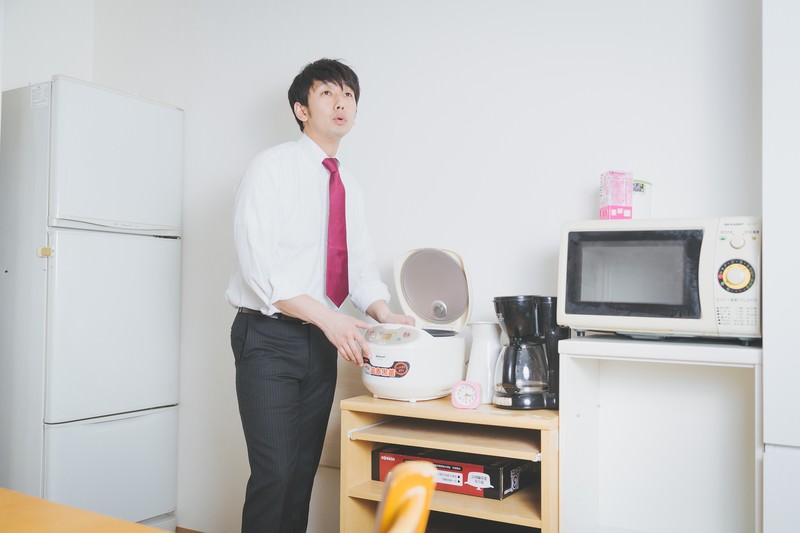
In Japan, landlords expect tenants to leave the property exactly as it was before moving in — a concept known as genjō-fukki (現状復帰). Because of this, most apartments are rented completely empty.
Here’s what’s usually not included:
- Refrigerator
- Washing machine
- Microwave and rice cooker
- Air conditioner (sometimes attached)
- Curtains and light fixtures
For many expats, this is one of the biggest surprises after signing a lease — realizing that even the basics, like a ceiling light, need to be purchased separately.
On the other hand, this “empty apartment” system gives you full freedom to choose appliances that fit your lifestyle. You’re not stuck with old or inefficient machines left by a previous tenant.
Most Japanese renters buy their appliances soon after signing a lease—often scheduling delivery for move-in day. To make it easy, many stores sell “new life sets” (新生活セット): affordable bundles with single-person essentials like a fridge, washing machine, and microwave. Many people — including expats just arriving in Japan — pick these sets when they set up a new home from scratch. You start with the basics, then upgrade or add items gradually as your lifestyle and budget grow.
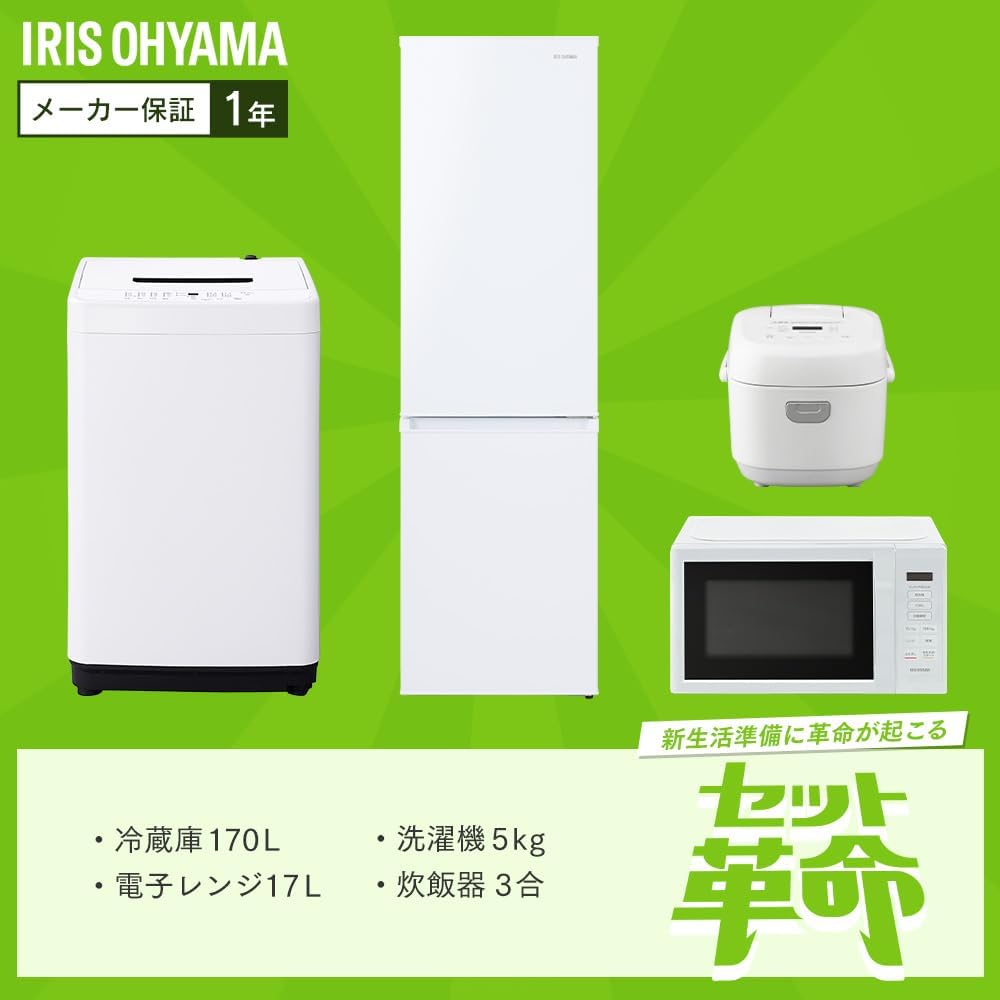
💡 Tip: If you’re new to Japan, this kind of starter set is a practical way to begin — it’s affordable, convenient, and avoids the hassle of buying each appliance separately.
Should You Bring Appliances from Abroad? (Usually, No)
It might sound practical to ship your existing appliances to Japan — especially if they’re new or high-end. But in reality, it’s almost never worth it.
Here’s why:
Voltage and Plug Differences: Japan’s 100V System
Japan uses 100V, while many countries use 220–240V or 110–120V.
This means that most foreign appliances won’t work properly, or worse — could be damaged. Step-up or step-down transformers exist, but they’re heavy and consume a lot of power.
Plug shapes also differ (Type A in Japan), so adapters are often required.
Shipping and Customs Costs for Large Appliances
Shipping large appliances internationally is costly and time-consuming.
You’ll also have to pay customs duties and import taxes, and there’s always a risk of damage in transit. Even if they arrive safely, after-sales service and warranties usually don’t apply in Japan.
Compatibility Issues with Foreign Appliances in Japan
Even if your appliance is made by a well-known Japanese brand like Sony, Panasonic, or Hitachi, that doesn’t mean it will work in Japan. Models sold abroad are often built to different specs — different voltage, and different plug types. They’re designed for the market where they were sold, not for Japan.
On top of that, many imported models lack authorized repair centers or spare parts in Japan, making maintenance a headache.
In short, “the same brand” does not mean “the same product.” Most expats find it far easier to sell or donate their appliances before moving in and simply buy new or used ones in Japan.
(For safe disposal or donation options, see our guide on appliance disposal in Japan.)
Appliance Price Guide: Budget, Mid-Range, and Premium Options
Before deciding where to shop, it helps to know what appliances actually cost in Japan. Prices vary widely depending on whether you buy new, secondhand, or premium. Here’s a practical reference guide for the most essential items:
| Appliance | Secondhand / Used | New (Standard) | New (Premium) |
|---|---|---|---|
| Refrigerator (fridge) | ¥5,000 – ¥20,000 | ¥30,000 – ¥60,000 | ¥80,000 – ¥200,000+ |
| Washing machine | ¥5,000 – ¥20,000 | ¥25,000 – ¥50,000 | ¥100,000 – ¥200,000+ |
| Microwave oven | ¥2,000 – ¥8,000 | ¥8,000 – ¥20,000 | ¥30,000 – ¥80,000 |
| Rice cooker (炊飯器) | ¥2,000 – ¥8,000 | ¥5,000 – ¥20,000 | ¥30,000 – ¥80,000 |
| Air conditioner (エアコン) | ¥15,000 – ¥40,000 | ¥50,000 – ¥100,000 | ¥120,000 – ¥300,000+ |
Note: Prices are approximate and exclude installation fees. Air conditioner installation typically costs ¥10,000–¥20,000 extra. Secondhand prices are from shops like Hard Off or apps like Mercari.
So, what’s the total? As a rough guide, furnishing a one-person apartment with all-new appliances costs around ¥100,000–¥250,000, while a bundled “new life set” (fridge, washing machine, microwave, and rice cooker) can bring that down to about ¥60,000–¥120,000. Going secondhand can cut the total to ¥30,000–¥60,000 if you don’t mind pre-owned items.
Where to Buy Home Appliances in Japan
Once you decide to buy locally, the next question is — where?
Japan has a wide range of options, from massive electronics stores to secondhand shops and online marketplaces. Each has its pros and cons depending on your budget, Japanese level, and length of stay.
Big Electronics Stores: Bic Camera, Yodobashi Camera, Yamada Denki
Japan’s large electronics retailers — Bic Camera, Yodobashi Camera, and Yamada Denki — are the most trusted option for many locals.
Their biggest strength is that you can see and touch the products in person before buying, and ask detailed questions to knowledgeable staff (though communication is usually in Japanese only).
They also offer a wide range of optional services, such as home delivery, installation, and even recycling of old appliances — sometimes free during campaigns.
Prices are competitive, though often higher than the cheapest deals you’ll find online. However, during seasonal sales, you can sometimes find deep discounts that rival e-commerce sites.
💡 Who it’s best for:
Those who value hands-on shopping and reliable service, even if it costs a little more.
It’s ideal if you want peace of mind — knowing everything from delivery to installation will be handled smoothly.
Online Stores: Amazon Japan and Kakaku.com Price Comparison
If you already know exactly what you want, buying online can be the easiest option — especially for busy professionals.
The main appeal is convenience and price. On Amazon Japan, most items are the same price or cheaper than in-store, while some can be surprisingly expensive — so compare before you buy.
If you can read some Japanese, check kakaku.com (価格.com), a popular comparison site that shows the lowest price across multiple retailers.
One important difference from countries like the U.S.: packages are never left at your doorstep.
In Japan, all deliveries are hand-delivered. If you’re not home and don’t have a delivery box, the courier will take the package back and leave a missed-delivery slip so you can reschedule.
💡 Who it’s best for:
Perfect for people who know what they want and prefer convenience over browsing in stores — especially those with limited time or with a secure delivery setup.
Secondhand and Recycle Shops: Hard Off, Mercari, Jimoty
Buying used is extremely common in Japan — a habit rooted in the Japanese sense of “mottainai” (もったいない), the idea of not wasting things. Because people take care of their belongings, used items are often in excellent condition, sometimes even with their original boxes and manuals.
For in-store shopping, chains like Hard Off or Off House are reliable options where you can inspect items before buying. If you prefer to shop online, Jimoty (ジモティー) is good for local deals, and Mercari (メルカリ), Japan’s biggest resale app, has a huge selection (use code KTEZKC for ¥500 off). Craigslist Japan exists too, but is rarely used by locals.
💡 Best for: Anyone who wants quality appliances for less — and doesn’t mind giving pre-loved items a new life.
Appliance Rental Services in Japan: Kashite.com and Short-Term Options
If you’re staying in Japan for a short period — say, a few months to two years — renting appliances can be a smart and stress-free option.
Most rental companies offer affordable packages that include a fridge, washing machine, and microwave, with delivery, installation, and pickup all handled for you.
Plans typically start from one month, making them perfect for students, interns, or short-term employees who don’t want to buy everything upfront.
You’ll avoid high initial costs, and when you move out, the company collects everything — no recycling hassle, no heavy lifting.
One of the most popular rental services is Kashite.com (かしてドットコム). It doesn’t require any background screening, so foreigners can apply easily. The company offers one of Japan’s widest selections — not only appliances but also furniture and even bicycles. Delivery, setup, repairs, and replacements are completely free, and you can choose freely between new or used items. Payment is flexible, too — by credit card, cash on delivery, or bank transfer (for companies).
Rental periods range from 30 days to 4 years, and a set of four used appliances (TV, washing machine, fridge, and microwave) costs about ¥57,750 per year — roughly ¥158 per day. For short stays, that’s far cheaper and easier than buying and later disposing of everything.
💡 Cost comparison: Renting is usually cheaper for stays under two years. Beyond that, purchasing your own appliances becomes more economical.
💡 Best for: Short-term residents or anyone who wants a fully equipped home without the stress of buying, moving, or recycling appliances later.
Buying and Installing an Air Conditioner in Japan
Air conditioners (エアコン) deserve special attention, because they work differently from most other appliances in Japan. Some apartments come with a unit already installed, but many don’t — and if yours doesn’t, you’ll need to buy and install one yourself.
Unlike a fridge or microwave, an air conditioner isn’t something you simply plug in. A standard wall-mounted unit requires professional installation, which is almost always charged separately from the appliance itself. Expect to pay around ¥10,000–¥20,000 for basic installation, with extra fees if special piping, drilling, or a high mounting position is required.
The unit itself typically costs ¥50,000–¥100,000 new for a standard room size, while secondhand units start around ¥15,000–¥40,000 (installation still required on top). When buying from a big electronics store like Bic Camera or Yamada Denki, installation can usually be arranged at the same time.
Two things expats often overlook:
- Check your lease first. Drilling holes for piping may require your landlord’s permission, especially in older buildings.
- Budget for removal when you leave. Taking the unit down and disposing of it also costs money, and air conditioners fall under Japan’s appliance recycling law (see the FAQ below).
Taxes, Warranties, and Delivery: What Expats Should Know Before Buying
Can Expats Shop Tax-Free in Japan?
This is a common misconception. Tax-free shopping in Japan is for short-term visitors only — if you hold a residence card (在留カード), you are not eligible, and you’ll pay the full 10% consumption tax just like locals. The rules are also tightening: as of April 2025, items shipped abroad no longer qualify, and in-store tax-free shopping is scheduled to end entirely in November 2026. In short, don’t count on a tax discount when furnishing your home in Japan.
Warranties and Extended Coverage (保証)
New appliances come with a manufacturer’s warranty (保証, hoshō), usually valid for one year. Big electronics stores often sell extended warranties (長期保証) covering 3–10 years, sometimes free for store point-card holders. Keep your receipt and warranty card — you’ll need them for any repairs. Secondhand items may have little or no warranty, so always check the shop’s return policy before buying.
Delivery and Old-Appliance Pickup
Most stores offer delivery and installation, and many will haul away your old appliance at the same time for a recycling fee. You can usually schedule delivery for a specific day, which makes it easy to time everything with your move-in date. Remember that in Japan, deliveries are hand-delivered to your door and never left outside — so you’ll need to be home, or have a delivery box (宅配ボックス).
Frequently Asked Questions: Buying Home Appliances in Japan
Do I need to buy appliances when renting an apartment in Japan?
Yes, in most cases you will need to purchase your own appliances. The vast majority of rental apartments in Japan are rented unfurnished and without appliances — this includes refrigerators, washing machines, microwaves, and even light fixtures. Some furnished apartments (家具付き) do include basic appliances, but these are less common and typically cost more in monthly rent. If you’re unsure, always confirm with your landlord or real estate agent before signing the lease.
Can I use my home country’s appliances in Japan?
In most cases, no. Japan uses 100V electricity, while most other countries use 110–120V or 220–240V. Running foreign appliances without proper voltage converters can damage both the appliance and your home’s electrical system. Even appliances that technically work may run less efficiently or overheat. The safest and most practical approach is to buy appliances locally in Japan — it’s easier, safer, and you’ll get proper after-sales support.
Where is the cheapest place to buy appliances in Japan?
For brand new appliances, online stores like Amazon Japan or price comparison sites like kakaku.com (価格.com) typically offer the lowest prices. For budget-conscious shoppers, secondhand recycle shops such as Hard Off or online platforms like Mercari (メルカリ) and Jimoty (ジモティー) can save you significant money if you don’t mind buying pre-owned. During seasonal sales at major electronics chains like Bic Camera or Yamada Denki, you can also find competitive deals on new appliances with the added benefit of delivery and installation services.
Is it worth renting appliances in Japan?
Renting appliances makes financial sense if you’re staying in Japan for less than two years. Services like Kashite.com (かしてドットコム) offer complete packages with delivery, installation, and pick-up included — eliminating both upfront costs and the hassle of appliance recycling when you move out. For stays longer than two years, it generally becomes cheaper to buy secondhand or new appliances outright. Students, interns, and short-term corporate assignees are the most common users of rental services in Japan.
How do I dispose of old appliances in Japan?
Japan has strict laws governing the disposal of major appliances under the Home Appliance Recycling Law (家電リサイクル法). You cannot simply throw away refrigerators, washing machines, air conditioners, or TVs with regular trash. Recycling fees vary by item and manufacturer — roughly ¥990–¥2,000 for an air conditioner, ¥2,530–¥3,300 for a washing machine, ¥2,970–¥3,700 for a TV, and ¥3,740–¥5,200 for a refrigerator — plus a separate collection and transport fee charged by the retailer. Options include paying these fees at a retailer when purchasing a new appliance, dropping off the old item at a designated collection point, or contacting your local city office for guidance. Secondhand stores or online platforms like Mercari are also excellent options if the appliance is still in working condition. For a full breakdown, see our guide on appliance disposal in Japan.
Must-Try Japanese Appliances That Make Daily Life Easier
Once your home is set up, you’ll quickly notice that some Japanese appliances are surprisingly advanced — designed to save both time and effort in daily life.
Here are a few worth trying:
- Washlet (ウォシュレット): Japan’s famous high-tech toilet with heated seats and built-in bidet — often already installed in your apartment, but you can also buy add-on bidet seats.
- Rice Cooker (炊飯器): Produces perfect rice every time — many models also cook porridge, bread, or even cake.
- Drum-Style Washer Dryer (ドラム式洗濯乾燥機): Unlike in the U.S., washing and drying are done in a single machine — just press one button and you’re done.
- Countertop Dishwasher (食器洗い乾燥機): Compact and portable, ideal for small apartments without built-in dishwashers.
Want to explore more?
👉 Read our full guide: Must-Try Japanese Appliances That Make Life Easier
Summary: Setting Up Your Home in Japan
Furnishing a home in Japan may feel overwhelming at first — especially when you realize that most apartments come completely empty.
But once you understand how locals buy (or rent) their appliances, it becomes surprisingly manageable.
Here’s a quick recap:
- Don’t ship large appliances from abroad — they often won’t work in Japan.
- Choose where to buy based on your budget, Japanese level, and length of stay.
- Compare options: big stores for service, online for convenience, recycle shops for bargains, and rentals for short stays.
- Keep receipts for recycling and warranty purposes.
Looking for more help settling into your new home in Japan? Read our guide on how to rent an apartment in Japan as a foreigner, or find out everything you need to know about moving within Japan.